



 Naveed Ahmad Khan
 Naveed Ahmad Khan
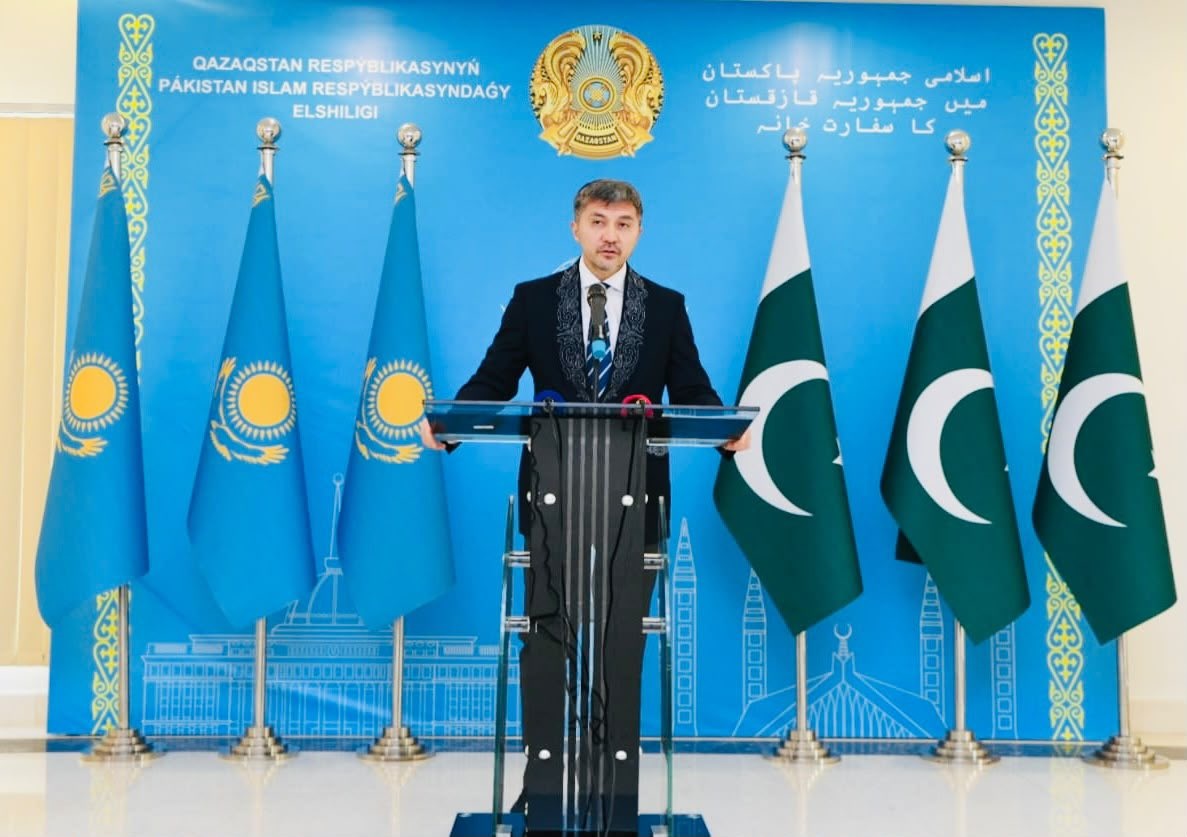
As Ambassador Yerzhan Kistafin prepares to conclude his diplomatic tenure in Pakistan, he leaves behind a relationship transformed. What began in June 2021 as a modest bilateral partnership has, over his five years in Islamabad, evolved into a strategic alliance marked by high-level state visits, expanded trade ambitions, deepened institutional cooperation, and a genuinely warmer relationship between two nations that share history, faith and geography but had, for decades, underutilized their potential for closer engagement.
A Diplomat’s Journey to Islamabad
 Born on October 8, 1978, in Karaganda, Kazakhstan, Yerzhan Kistafin brought to his Pakistan posting a career built on legal and diplomatic expertise. A graduate in international law from Karaganda State University, he later earned a master’s degree in international relations from the European Institute for International Strategic Studies in Brussels. His professional journey began in 1999 within Kazakhstan’s Department of Justice, before he moved into the Ministry of Finance’s legal service. He entered the diplomatic corps in 2001 as an attaché in the International Legal Department of Kazakhstan’s Ministry of Foreign Affairs, steadily building the institutional knowledge that would later serve him well in navigating the complexities of Pakistan-Kazakhstan relations.
When Kistafin arrived in Islamabad as Extraordinary and Plenipotentiary Ambassador in June 2021, he inherited a relationship long on goodwill but comparatively modest in substantive economic engagement. Over the following years, he set about changing that.
Trade: From Modest Beginnings to Ambitious Targets
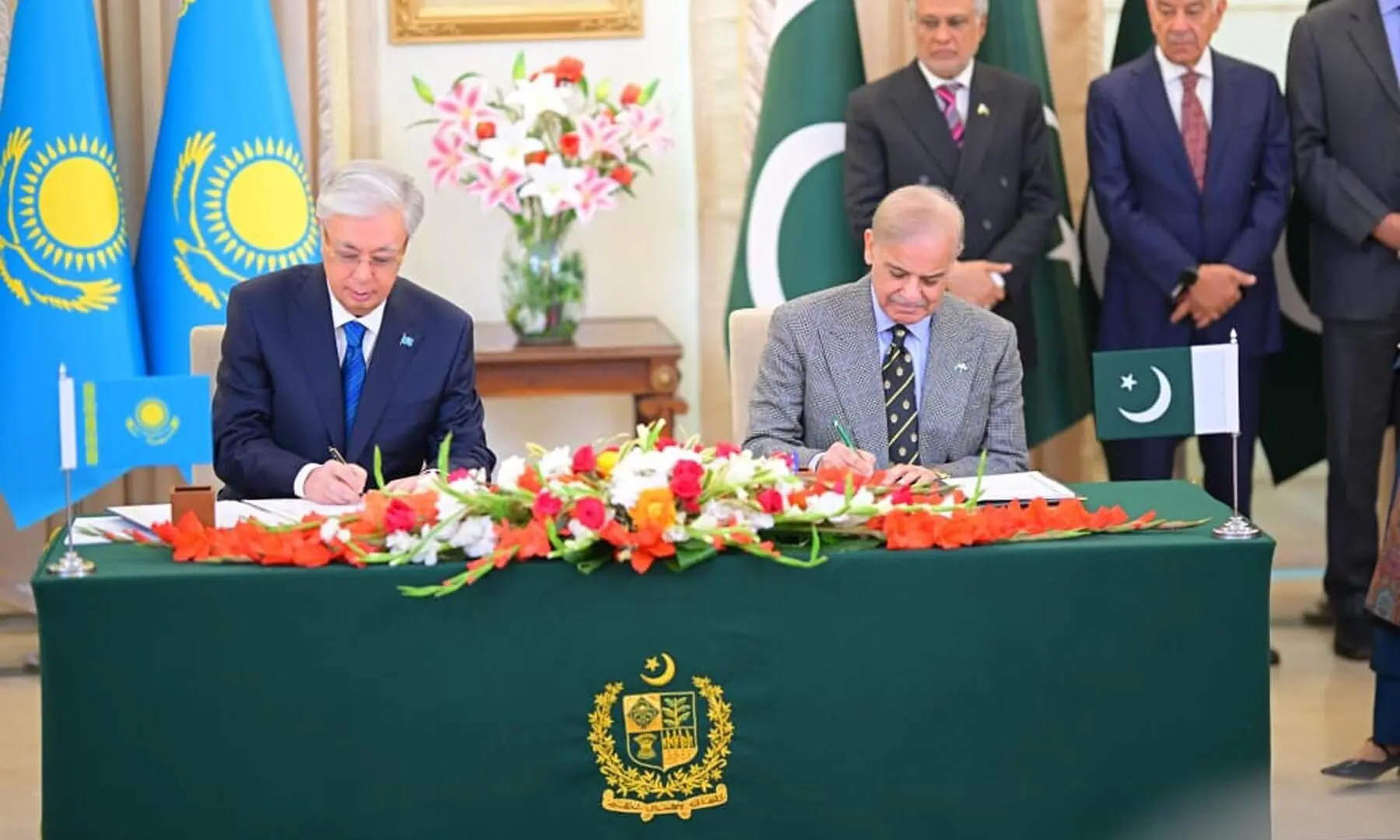
 Perhaps the most tangible measure of Kistafin’s tenure lies in bilateral trade figures, which tell a story of steady, and at times dramatic, growth. When Prime Minister Shehbaz Sharif hosted Kazakh President Kassym-Jomart Tokayev in Islamabad in February 2026, he candidly acknowledged that bilateral trade stood at just $250 million, a figure he described as failing to reflect the true strength of the friendship between the two nations. That visit produced a striking response: both leaders committed to raising trade volume to $1 billion within a year.
This ambition was not built on rhetoric alone. Trade data from Kazakhstan’s own Ministry showed that between January and November 2025, bilateral trade reached $105.6 million, more than double the $48.7 million recorded during the same period in 2024. Imports from Pakistan into Kazakhstan rose nearly 20 percent, driven by food products and light industry goods. Potato imports from Pakistan surged almost 94-fold to $9.28 million, while certain knitted textile products grew 125-fold. These figures, though still modest in absolute terms, represented a meaningful structural shift in the trade relationship, one that industry observers described as creating a strong foundation for further expansion.
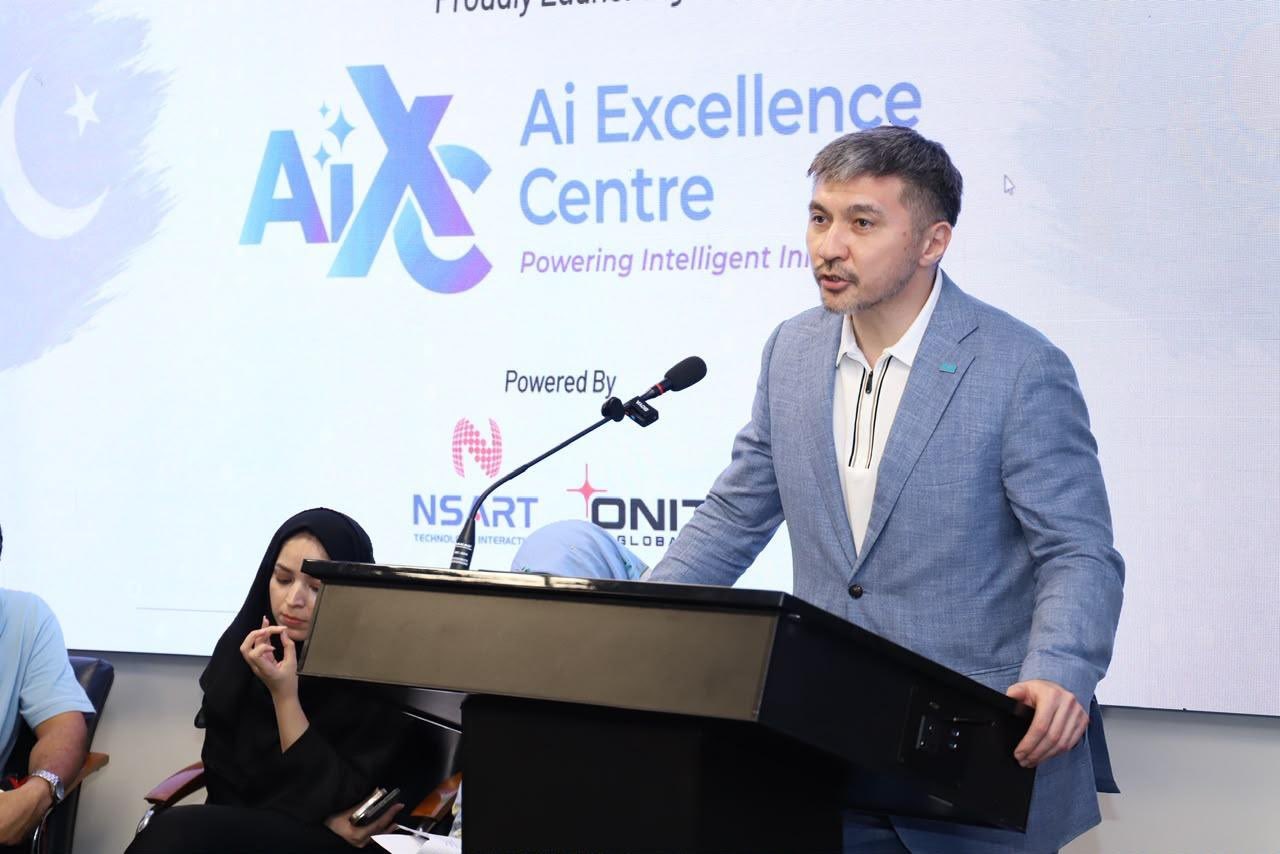 Kistafin himself has been a visible advocate for this trade agenda well beyond diplomatic receptions. During a visit to the Lahore Chamber of Commerce and Industry in April 2026, he told the city’s business community that Kazakhstan and Pakistan had formally elevated their ties to a strategic partnership, with the $1 billion trade target now a shared national commitment. He noted that President Tokayev’s visit, the first by a Kazakh head of state to Pakistan in more than two decades, had resulted in the signing of over 70 agreements and memoranda of understanding spanning trade, education, sports and culture, a scale of agreement-signing rarely seen in Pakistan’s bilateral diplomacy with any single country.
Building Institutional Foundations
Beyond headline trade figures, Kistafin’s tenure has been characterized by a methodical rebuilding of the institutional architecture needed to sustain economic cooperation. He played a central role in reactivating the Pakistan-Kazakhstan Business Council, which he noted was now functioning effectively and creating genuine new opportunities for trade and investment between the private sectors of both countries.
 His diplomatic engagements also extended into ambitious infrastructure and connectivity discussions. Notably, agreements were finalized during his tenure covering a Transit Trade Agreement that would allow landlocked Kazakhstan to access Pakistani ports, including Karachi, Bin Qasim and Gwadar, for regional trade. For a country with no direct maritime access, such arrangements carry significant strategic value, offering Kazakhstan an alternative route to global markets through Pakistan’s Arabian Sea ports, while positioning Pakistan more firmly as a transit hub linking Central Asia with South Asia, the Middle East, and beyond.
The February 2026 presidential visit itself produced seven vital memoranda of understanding covering transport, education, trade and culture, alongside the broader package of over 30 agreements signed in sectors including petroleum, mining and maritime affairs, reflecting the breadth of cooperation Kistafin helped cultivate during his posting.
Connectivity and People-to-People Ties
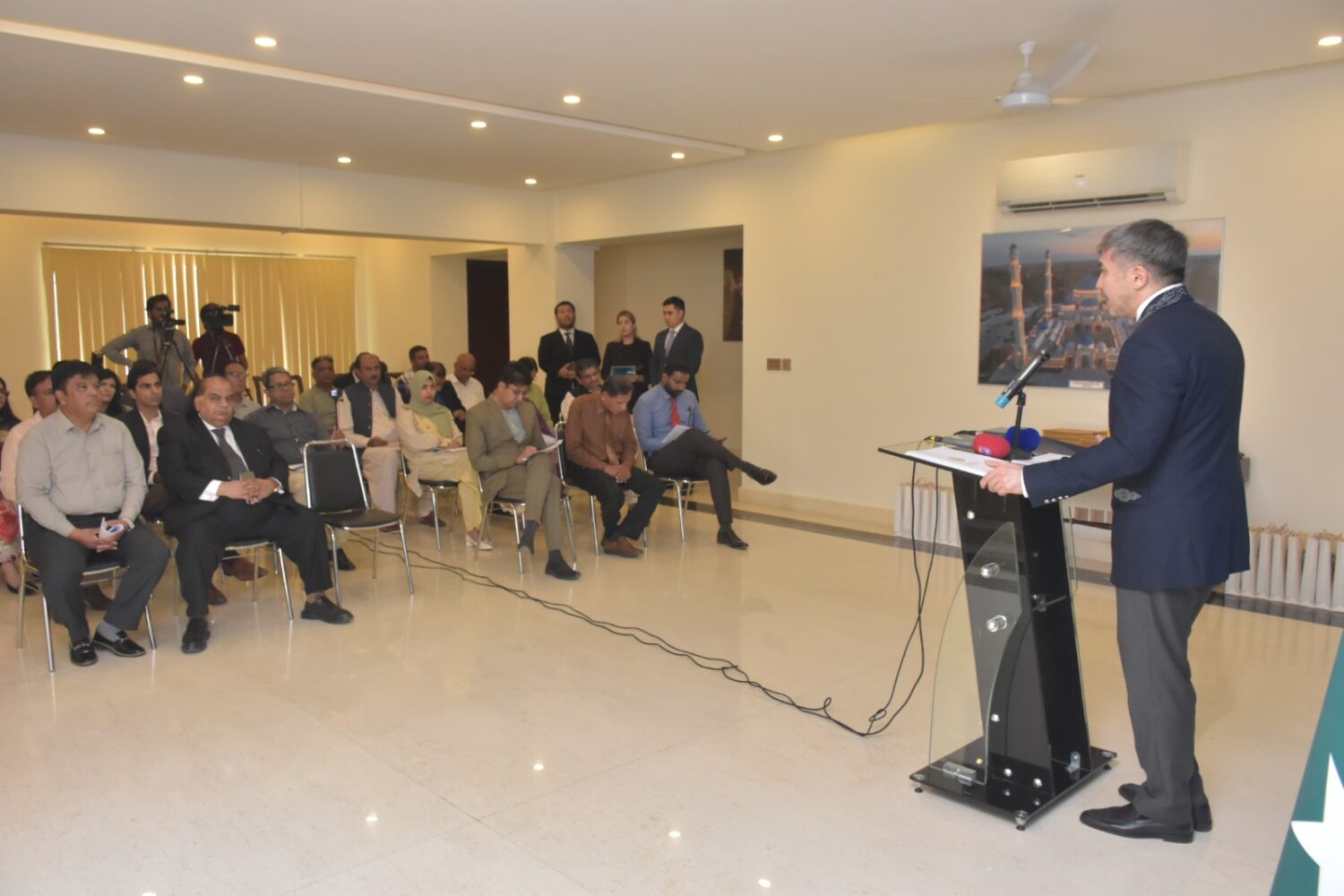 Recognizing that economic cooperation depends on physical connectivity, Kistafin consistently emphasized security, connectivity and stability as essential pillars for strengthening relations between the two countries. In one of his final press engagements before concluding his tenure, he announced that a direct flight between Pakistan and Kazakhstan would commence later in 2026 or in 2027, a development expected to meaningfully boost business ties, tourism and people-to-people exchanges that had long been constrained by the absence of direct air links.
Reflecting on his five years in Pakistan, Kistafin frequently cited the numerous high-level visits that punctuated his tenure, chief among them President Tokayev’s historic February 2026 visit, as moments that would remain among his most cherished memories of his posting.
Beyond Trade: Education, Culture and Regional Diplomacy
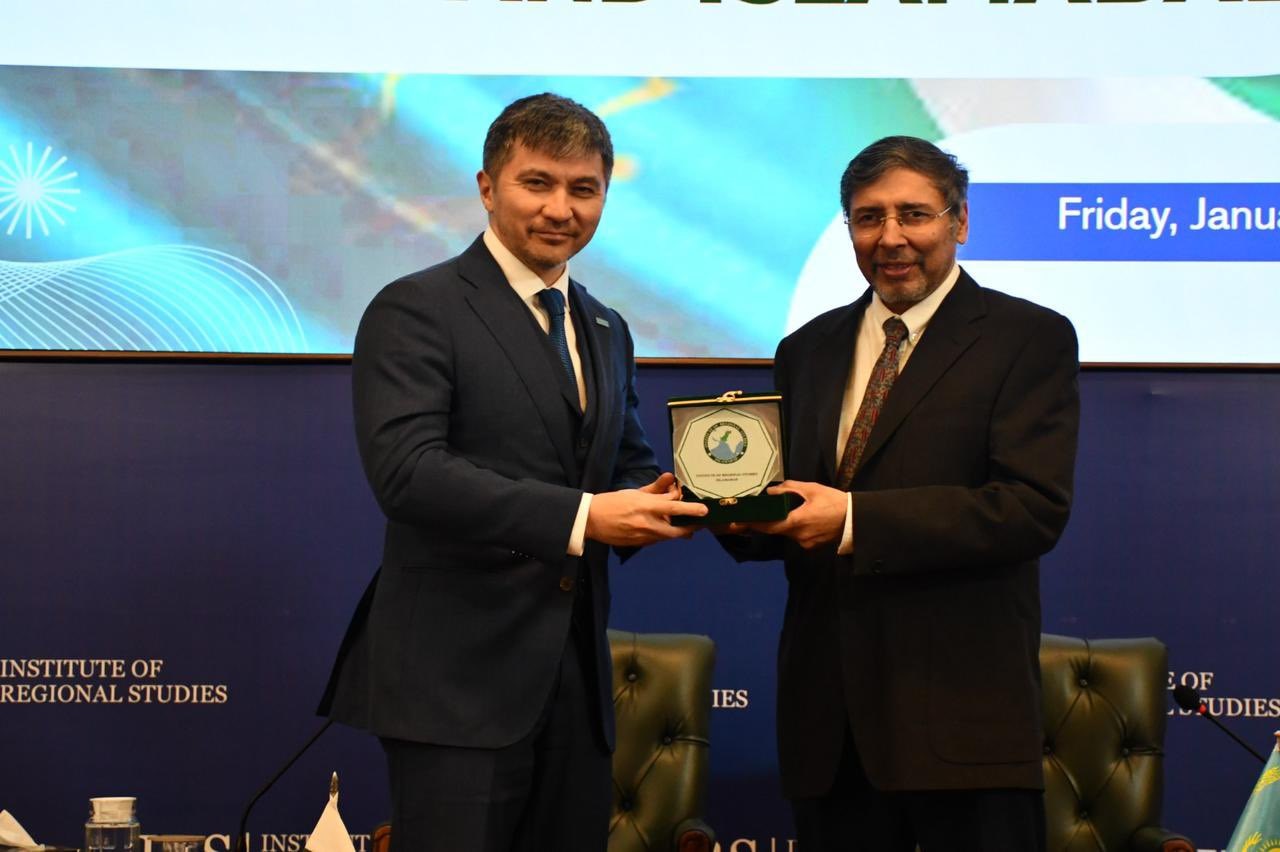
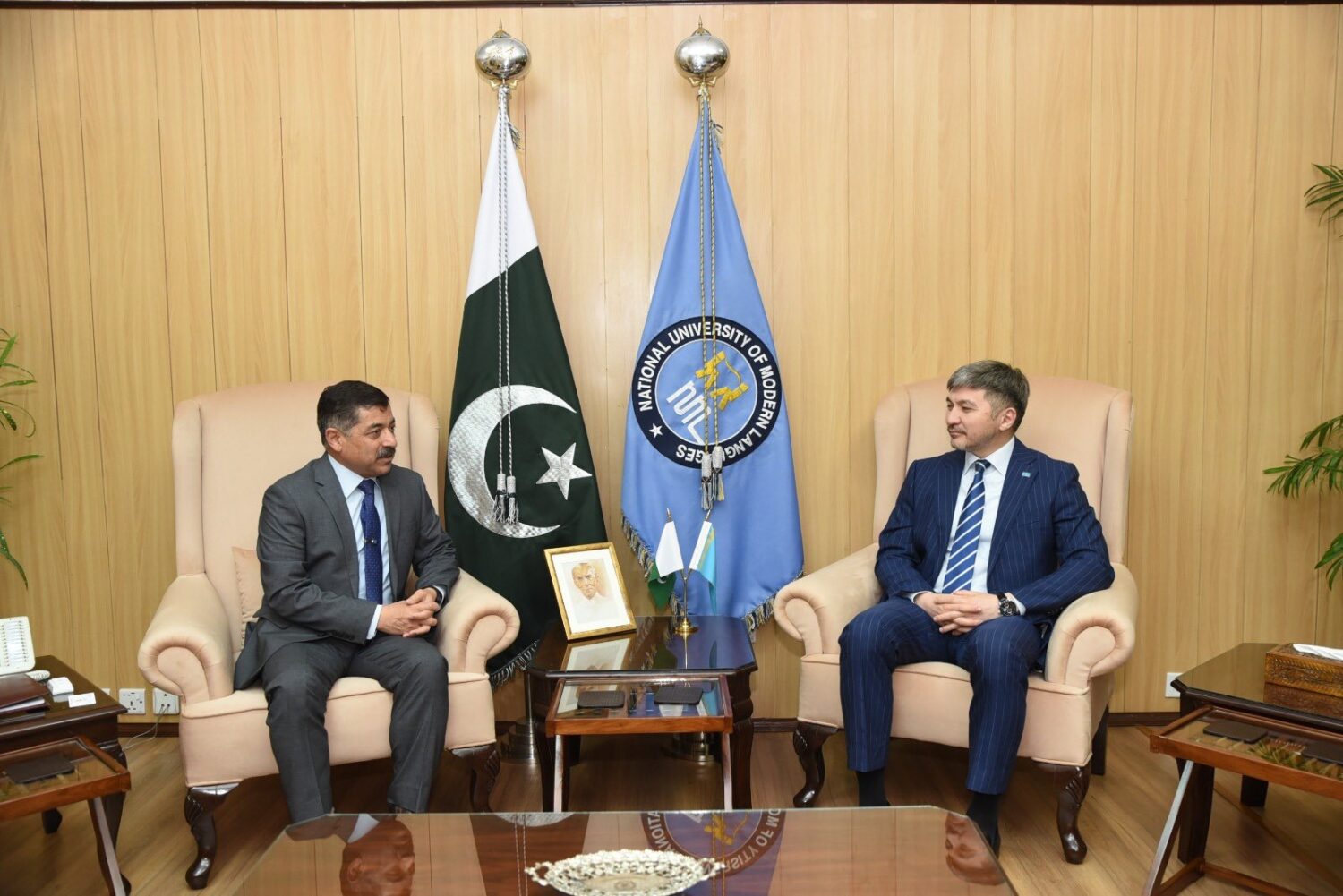 Kistafin’s approach to diplomacy extended well beyond economic statistics. He placed considerable emphasis on educational cooperation, promoting student exchanges, joint research programs, and collaboration between universities in the two countries. He engaged actively with Pakistan’s intellectual and policymaking community, participating in numerous seminars, public policy dialogues and roundtables organized by think tanks and academic institutions across the country.
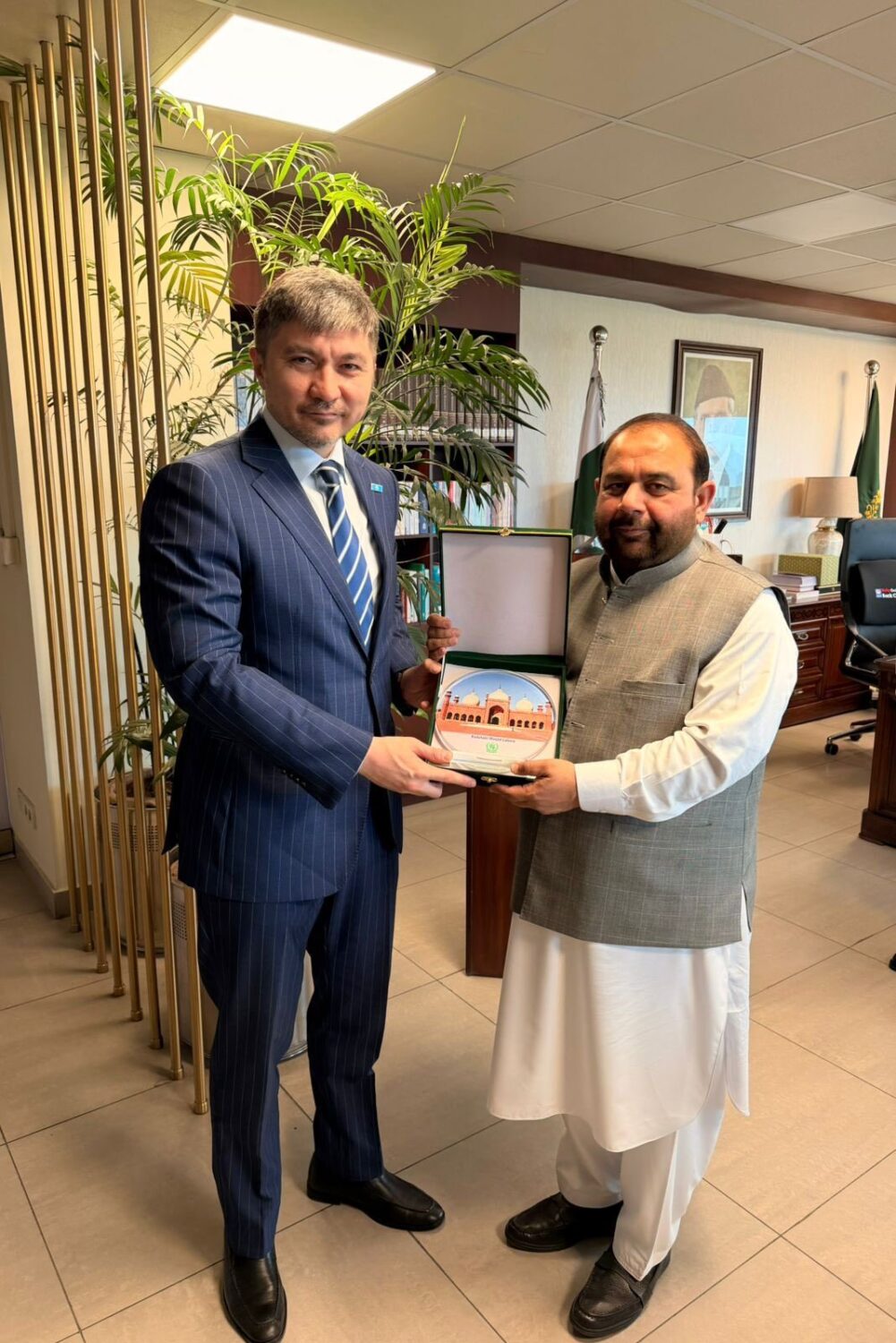 His outreach extended to federal and provincial governments, parliamentarians, civil society organizations and Islamabad’s diplomatic corps, reflecting an approach to diplomacy that sought to engage Pakistani society broadly rather than confining his efforts to official government channels alone. He also visited institutions such as the International Parliamentarians’ Congress Secretariat in Islamabad, where he expressed appreciation for cooperation on shared concerns including climate change, human rights, food and health security, and interfaith harmony.
Kistafin also worked to advance cooperation between Pakistan’s Ministry of Information Technology and Kazakhstan’s payment infrastructure, including engagement with the State Bank of Pakistan’s RAAST digital payment system, signaling his interest in extending bilateral cooperation into the digital economy alongside more traditional areas of trade and connectivity.
Recognition and Legacy
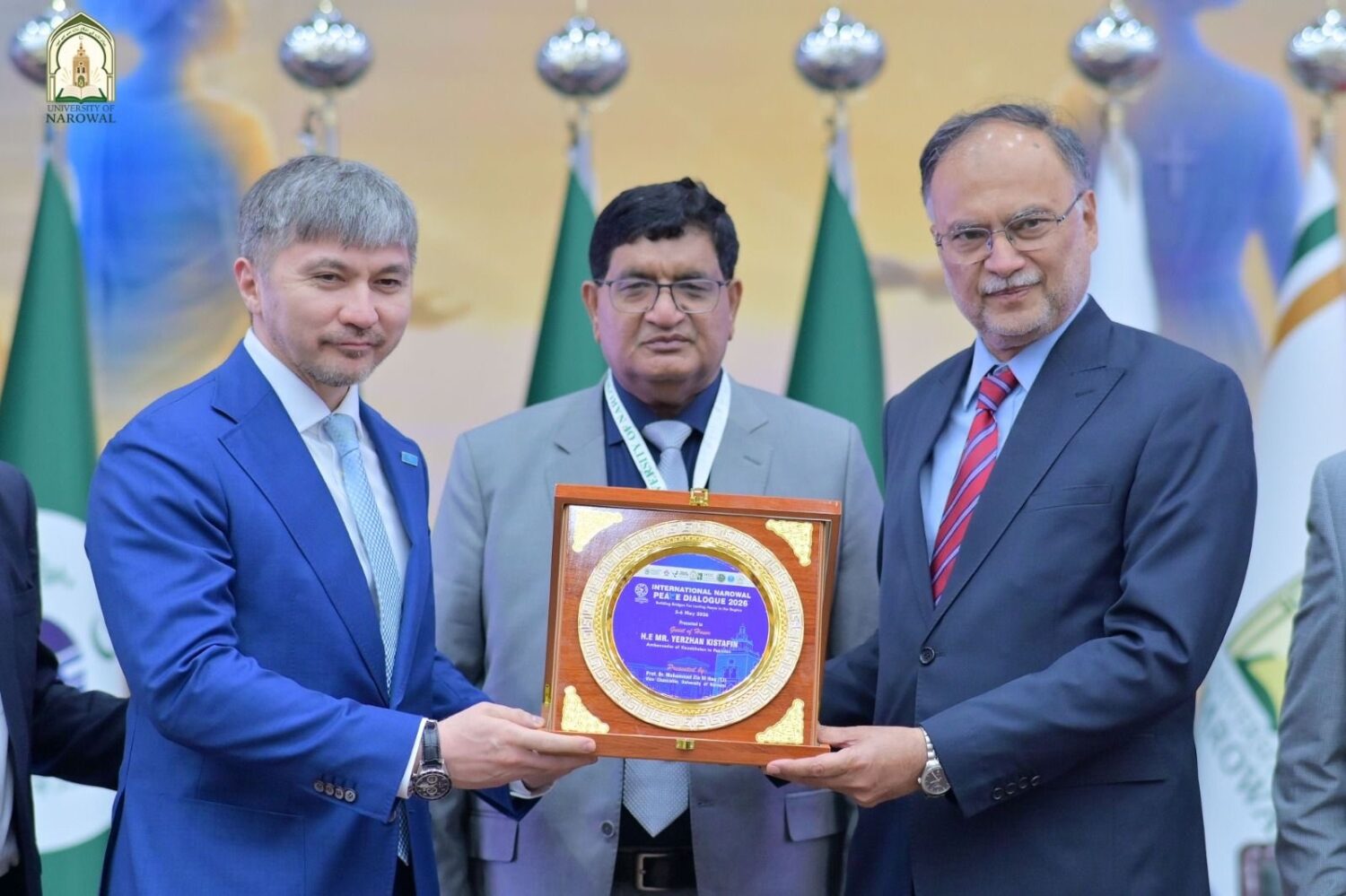 Kistafin’s contributions did not go unnoticed by his peers in Islamabad’s diplomatic community. In 2025, from among more than 120 diplomatic missions and international organizations represented in Islamabad, he was the sole recipient of the “Ambassador of the Year” title, a recognition of his substantial contribution to strengthening Kazakhstan-Pakistan cooperation. This followed earlier recognition in 2022, when he received the Global Ambassador Award, underscoring the consistency of his diplomatic performance throughout his posting.
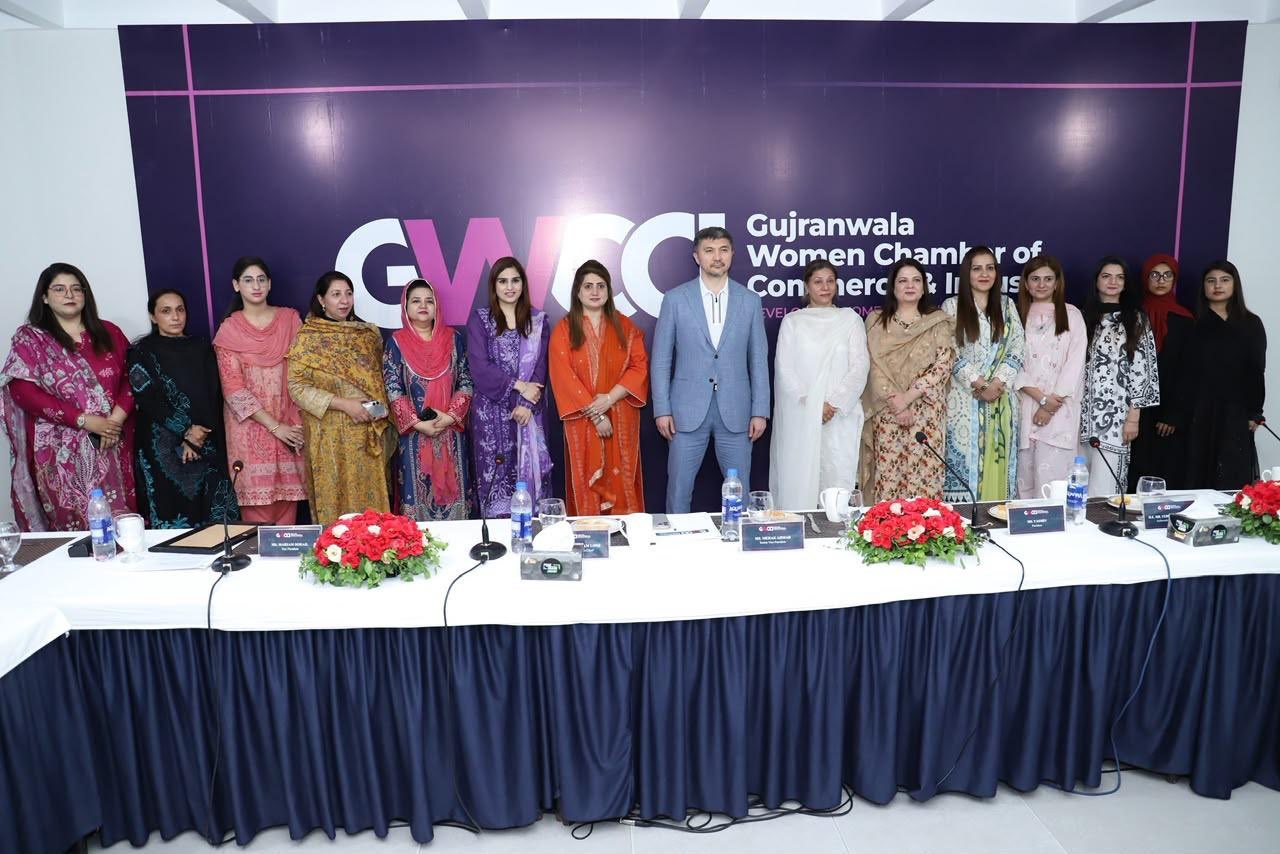 As he prepared to conclude his tenure, Kistafin called on institutions including the Organisation of Islamic Cooperation’s Standing Committee on Scientific and Technological Cooperation (COMSTECH), where he was honored alongside Azerbaijan’s outgoing ambassador for contributions to advancing scientific and educational partnerships. He also paid farewell visits to Pakistan’s National Assembly Speaker Ayaz Sadiq, who commended his services in deepening bilateral relations, and to other key government and institutional figures across Islamabad.
A Foundation for the Future
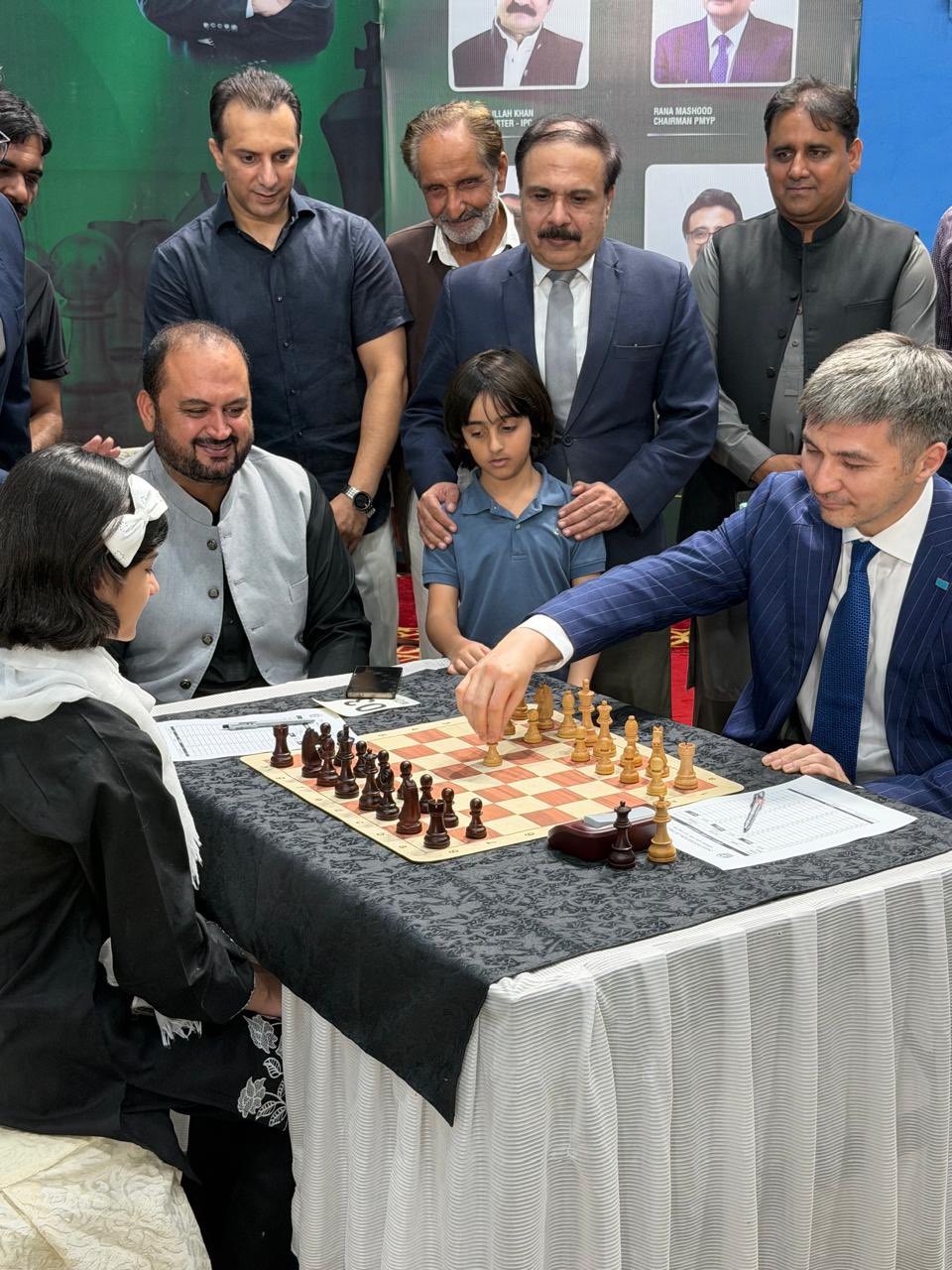 As Ambassador Kistafin departs Islamabad, he leaves behind more than diplomatic goodwill. He leaves an institutional and economic foundation, reactivated business councils, transit trade frameworks, a growing trade relationship, and imminent direct flight connectivity, upon which his successor and both governments can build. Whether the ambitious $1 billion trade target is achieved within the stated timeline remains to be seen, but the trajectory established during his tenure suggests that Pakistan-Kazakhstan relations have moved decisively beyond symbolic friendship toward substantive, institutionalized partnership.
For a relationship that Prime Minister Sharif himself acknowledged had long underperformed its potential, Kistafin’s five years in Islamabad represent a meaningful down payment on what both nations now describe as a strategic partnership built for the decades ahead.