



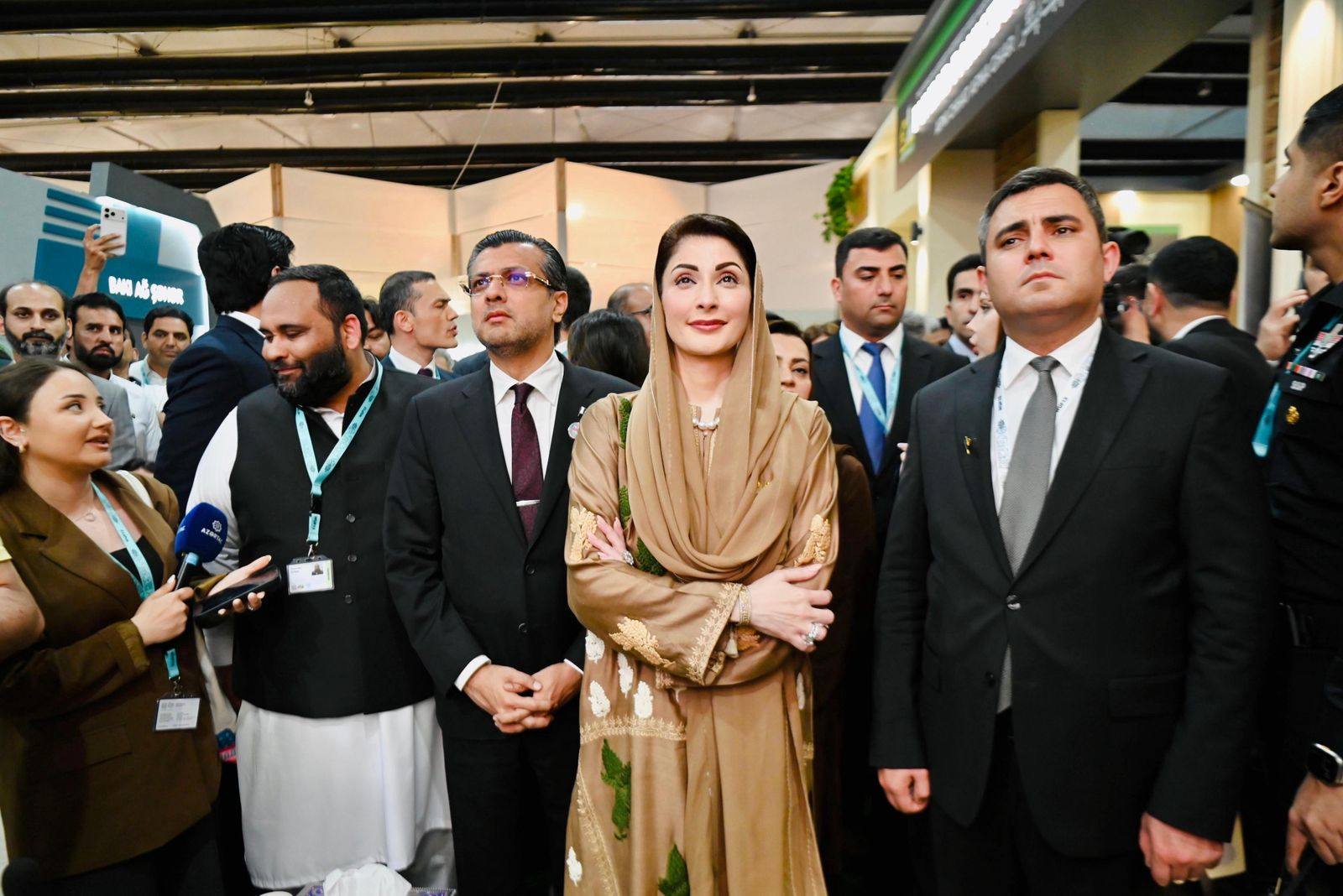
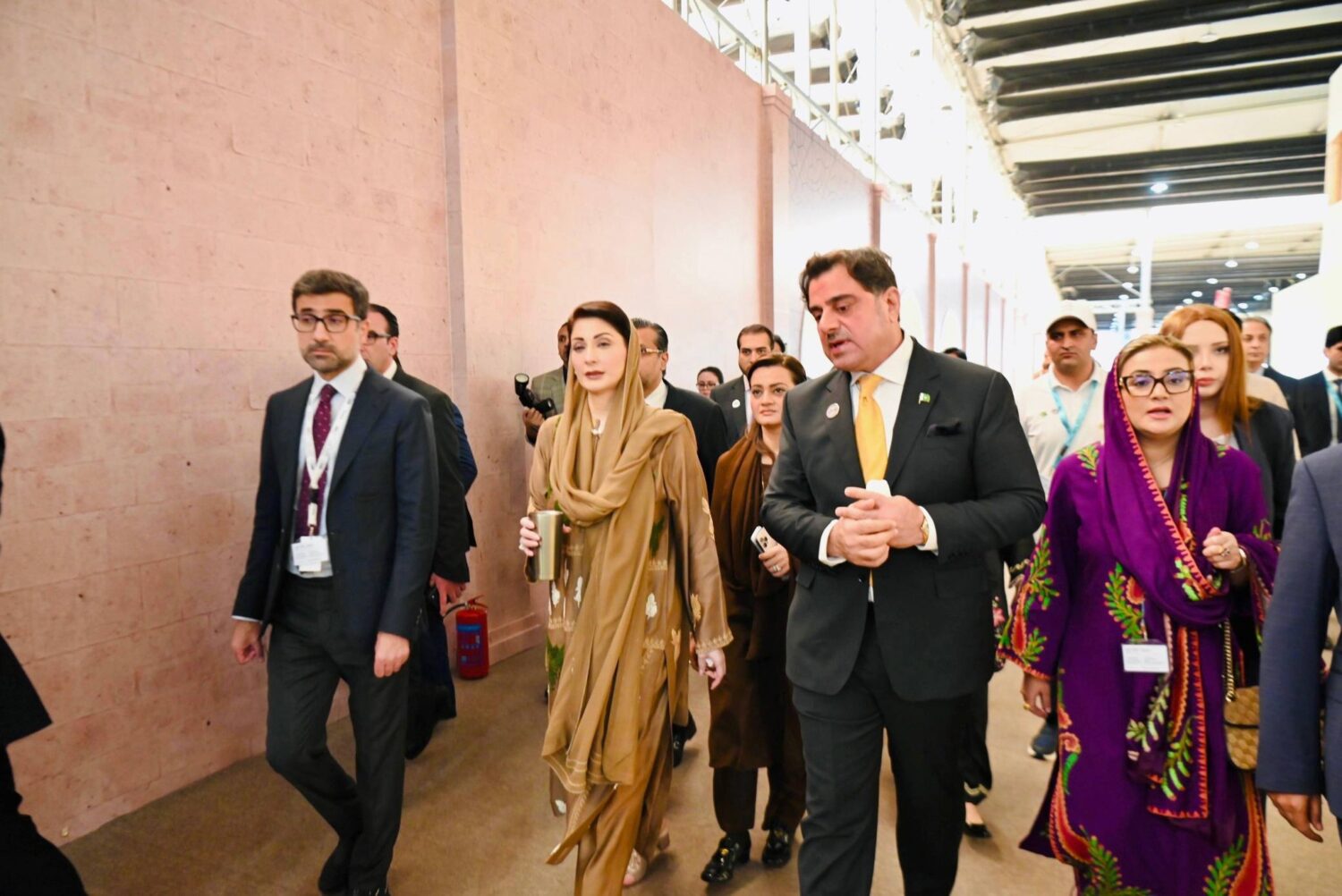
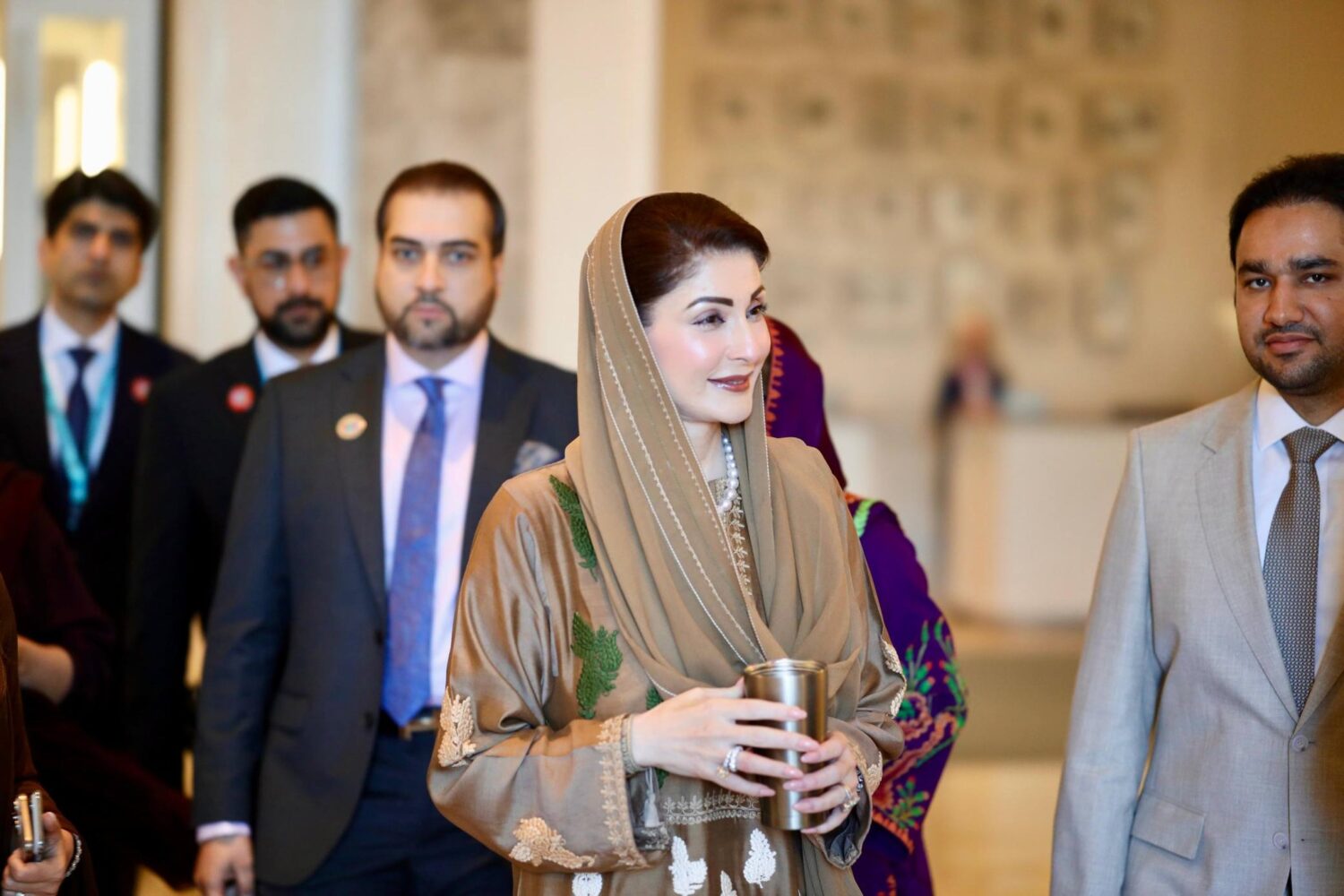
 In the rapidly transforming political landscape of the twenty-first century, the emergence of women leaders across the Muslim world is no longer merely symbolic — it is substantive, strategic, and globally consequential. From education and climate resilience to social welfare and urban reform, women-led governance is fundamentally reshaping public policy around the world, placing human dignity, inclusion, and sustainability at the heart of statecraft. Against this evolving backdrop, the participation of Maryam Nawaz at the World Urban Forum in Baku, Azerbaijan, has acquired extraordinary international significance.
 In the rapidly transforming political landscape of the twenty-first century, the emergence of women leaders across the Muslim world is no longer merely symbolic — it is substantive, strategic, and globally consequential. From education and climate resilience to social welfare and urban reform, women-led governance is fundamentally reshaping public policy around the world, placing human dignity, inclusion, and sustainability at the heart of statecraft. Against this evolving backdrop, the participation of Maryam Nawaz at the World Urban Forum in Baku, Azerbaijan, has acquired extraordinary international significance.
Her address at one of the United Nations’ foremost global platforms on cities, sustainability, and inclusive governance was far more than a provincial policy presentation. It represented the confident entry of Pakistan’s most populous province into a broader global conversation — one defined by resilient societies, people-centred leadership, and the transformative power of women in public office.
A Global Stage, A Civilisational Message
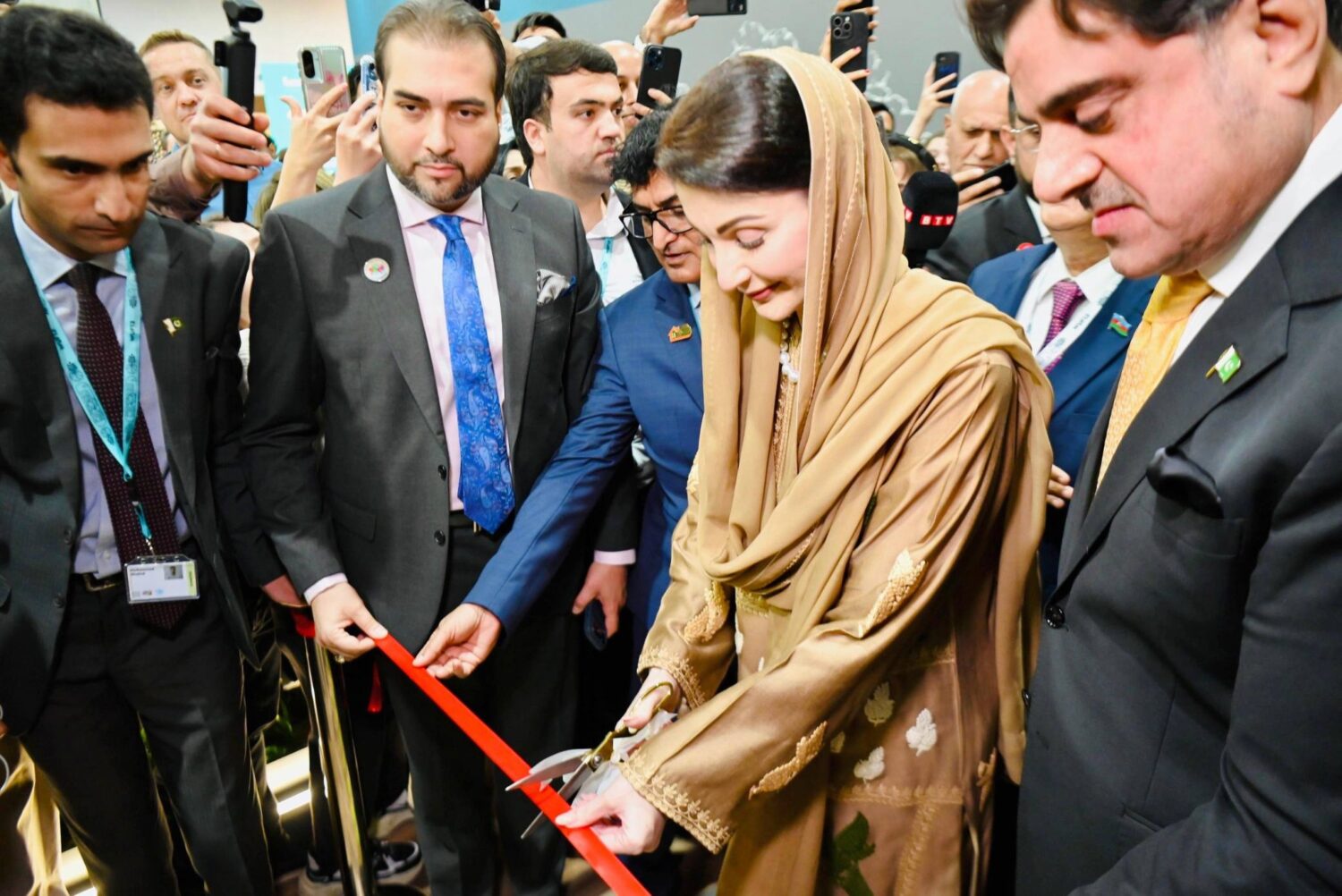
The World Urban Forum brought together an exceptional gathering of global policymakers, urban planners, diplomats, economists, and climate strategists to chart the future of urban civilisation. In this distinguished international arena, Maryam Nawaz projected not merely administrative confidence, but a broader civilisational message: that governance must ultimately serve the vulnerable, empower women, protect families, and restore dignity to ordinary citizens.
Her message resonated far beyond Pakistan’s borders because the challenges confronting Punjab today — climate stress, rapid urbanisation, affordable housing deficits, healthcare inequality, environmental degradation, and youth unemployment — are the shared crises of the Global South. Yet Punjab’s evolving welfare agenda is responding to these challenges through ambitious, measurable public-sector innovation, and Baku was the platform chosen to tell that story.
The Historical Roots of Women’s Leadership in Islam
The significance of this moment becomes even more profound when viewed through the lens of Islamic history and civilisation. Women’s active participation in economic life, public welfare, and social leadership is not a modern import — it is a tradition rooted centuries deep. Hazrat Khadija bint Khuwaylid (RA), the revered wife of the Holy Prophet Muhammad (Peace Be Upon Him), remains one of the earliest and most consequential figures in Islamic history: a pioneering entrepreneur, philanthropist, and moral pillar of the first Muslim community. Her life embodied economic independence, visionary leadership, and principled service long before modern discourse on women’s empowerment was conceived.
Similarly, during the early Islamic battles, courageous women contributed to the survival and welfare of the Muslim community through medical care, logistical support, and humanitarian service. Figures such as Nusaybah bint Ka‘ab demonstrated extraordinary bravery under immense adversity. These historical precedents affirm that women’s participation in nation-building, welfare, and public life is deeply embedded within Islamic intellectual and moral tradition — not contrary to it.
Pakistan’s Enduring Legacy of Women’s Democratic Leadership
Pakistan’s own national history equally reflects this enduring continuity of courageous and visionary women’s leadership. Fatima Jinnah stood alongside Muhammad Ali Jinnah as a towering symbol of constitutional struggle, democratic aspiration, and national unity. Begum Ra‘ana Liaquat Ali Khan expanded women’s social participation and welfare mobilisation during Pakistan’s earliest and most formative years. Among the inspiring women remembered in public memory is Begum Salma Tassaduq Hussain, associated with the symbolic hoisting of Pakistan’s flag at the Civil Secretariat during the nation’s foundational transition. Such women helped shape Pakistan’s moral and democratic identity.
No discussion of democratic struggle and women’s leadership in Pakistan can be complete without paying profound tribute to Benazir Bhutto — one of the most influential democratic figures in the Muslim world. Daughter of Zulfikar Ali Bhutto, she transformed personal tragedy into a national democratic movement. Following the judicial execution of her father, she endured imprisonment, political persecution, exile, and immense personal suffering, yet remained unwavering in her commitment to constitutional democracy and the rights of the Pakistani people. Benazir Bhutto became the first woman elected Prime Minister in the Muslim world, symbolising courage, resilience, and democratic continuity in the face of authoritarianism. Her sacrifices ultimately culminated in martyrdom, but her political struggle continues to inspire generations of women seeking participation in public life and democratic governance.
Similarly, Kulsoom Nawaz Sharif occupies a deeply respected place in Pakistan’s democratic history. During some of the country’s most politically turbulent periods, she stood firmly beside Nawaz Sharif and played a dignified yet resolute role in defending democratic continuity. Particularly during the period of political exile and institutional confrontation, Kulsoom Nawaz emerged as a symbol of patience, perseverance, and constitutional resistance. Her composure, moral strength, and commitment to democratic values elevated her beyond conventional political symbolism, making her an enduring figure in Pakistan’s democratic memory.
Against this broader historical and civilisational backdrop, Maryam Nawaz’s governance narrative in Punjab is best understood not as an isolated political phenomenon, but as a continuation of a long and honourable tradition of women contributing to public service, democratic resilience, and national development.
A Governance Philosophy Centred on Human Dignity
At the heart of her Baku address was an unambiguous emphasis on human welfare. Her remarks articulated a governance philosophy rooted in the realities of ordinary citizens — the woman walking miles for clean water, the child breathing toxic urban air, the family without shelter or security. This language was both emotionally compelling and strategically global, aligning Punjab’s development discourse with the international vocabulary of sustainable development, inclusive governance, and climate justice.
Apni Chhat, Apna Ghar — Housing as a Human Right
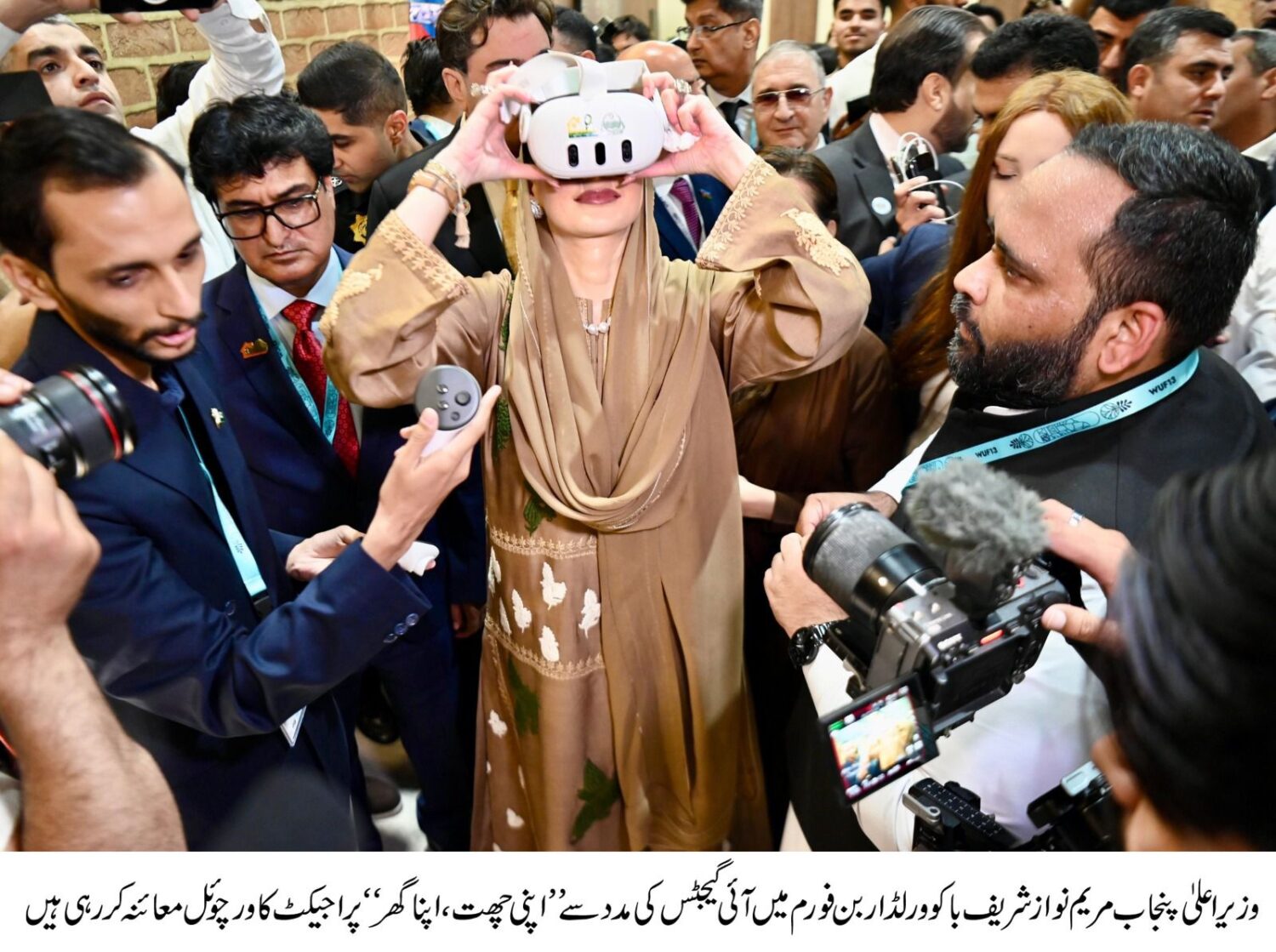
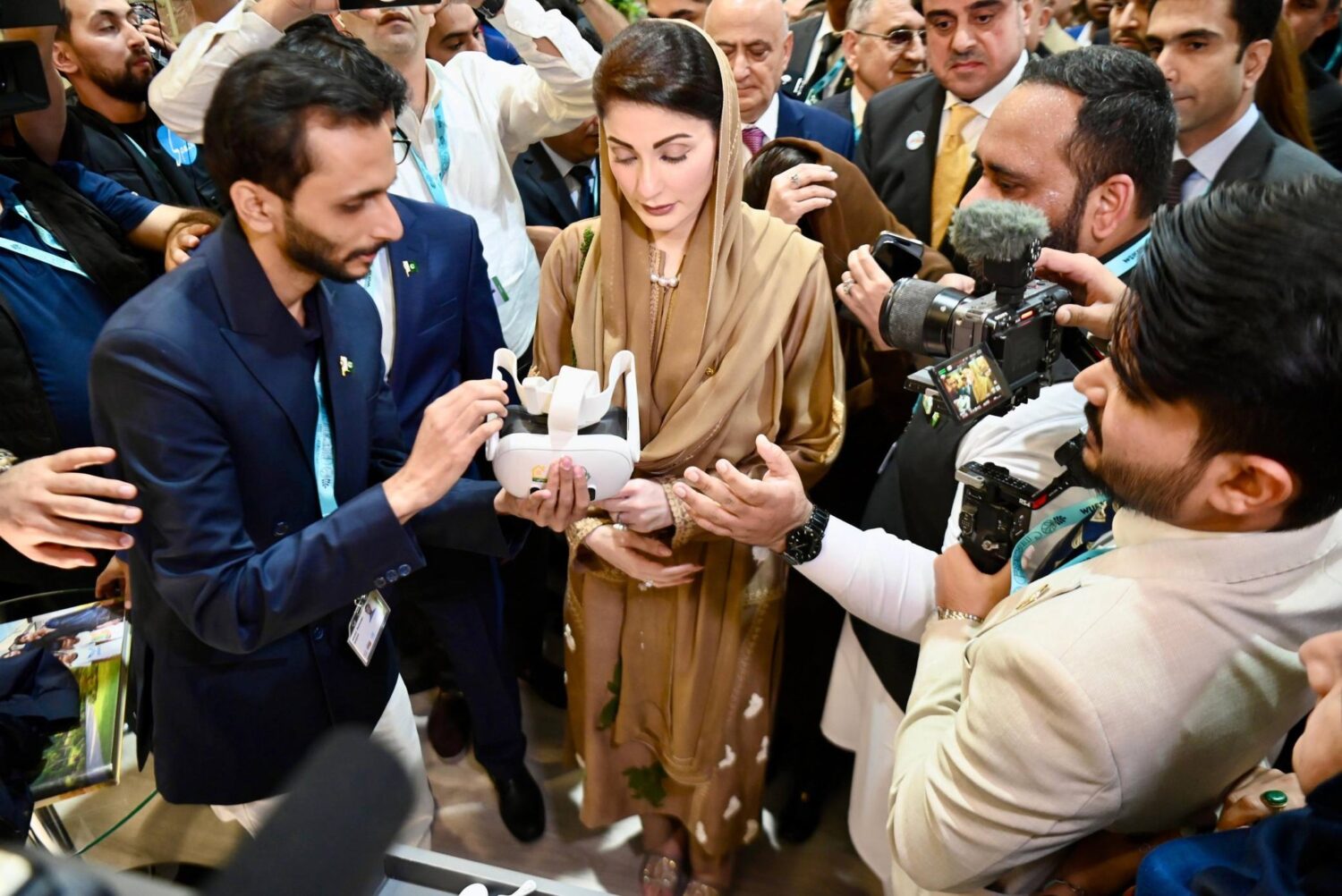
One of the most widely discussed initiatives presented at the forum was the “Apni Chhat, Apna Ghar” housing programme. Affordable housing remains one of the greatest developmental failures across much of the developing world, with millions living in informal settlements without secure ownership, sanitation, or dignified living conditions. Punjab’s interest-free housing initiative directly confronts this failure. According to figures presented at the forum, more than 160,000 families have received housing support, with over 100,000 homes already completed and occupied within a remarkably short timeframe. International delegates reportedly ranked the initiative among the leading global models of affordable housing innovation.
Village Modernisation and Rural Transformation
Equally important is Punjab’s commitment to rural uplift. Under the Model Village Programme, more than 2,000 villages are being upgraded with paved streets, drainage systems, solar-energy infrastructure, clean drinking water, and sanitation facilities. This matters profoundly: development in Pakistan has historically remained disproportionately urban-centric. Sustainable national progress demands the integration of neglected rural populations into broader economic and infrastructural growth. The Model Village Programme represents a serious structural response to decades of rural marginalisation.
Infrastructure, Connectivity, and Economic Revival
Infrastructure expansion featured prominently in Punjab’s international narrative. At the Baku summit, Maryam Nawaz highlighted that more than 30,000 kilometres of roads have been completed in just two years under an urban resilience and connectivity programme exceeding two billion dollars in investment. These are not merely transportation corridors — they represent economic revival, agricultural access, market integration, and social mobility for millions of citizens who previously remained cut off from opportunity.
No serious discussion of contemporary infrastructure-led governance in Punjab can be complete without acknowledging the historical developmental legacy associated with Nawaz Sharif — a political figure whose tenure fundamentally altered Pakistan’s physical, economic, and strategic landscape.
Long before connectivity, logistics corridors, and integrated transportation networks became fashionable developmental terminology in the Global South, Nawaz Sharif had already envisioned Pakistan as a geographically connected economic federation linked through modern highways, motorways, and strategic infrastructure. The historic motorway network initiated under his leadership transformed the developmental imagination of the country. From Lahore to Islamabad and later toward Multan, Sukkur, and Karachi, the motorway vision was not merely about roads; it was about national integration, economic mobility, agricultural access, industrial expansion, and the psychological unification of distant regions into a shared developmental future.
These motorways became symbols of state capacity, engineering ambition, and long-term planning. They connected farms to markets, industries to ports, students to universities, and remote populations to opportunity. In many ways, the infrastructure narrative now being projected internationally by Punjab emerges from foundations laid decades earlier through Nawaz Sharif’s developmental approach.
Equally consequential were the historic and courageous strategic decisions taken under his leadership in 1998. In the face of immense international pressure, economic sanctions, and diplomatic isolation, Nawaz Sharif authorised Pakistan’s nuclear tests at Chagai, establishing Pakistan as the first nuclear power in the Muslim world. That decision fundamentally reshaped South Asia’s strategic balance and entered national history as one of the most defining assertions of sovereignty and national security in Pakistan’s modern political journey.
 The significance of that moment extended beyond military deterrence. It reflected political resolve under extraordinary external pressure — a willingness to prioritise national sovereignty despite immense geopolitical consequences. For millions of Pakistanis, the Chagai tests became a symbol of confidence, resilience, and independent statecraft.
Alongside strategic strength, Nawaz Sharif’s governance philosophy consistently emphasised infrastructure modernisation, energy development, industrial growth, and large-scale public works. Major road networks, transport corridors, energy initiatives, and urban expansion projects initiated during different phases of his leadership contributed significantly to Pakistan’s economic mobility and developmental aspirations.
Viewed through this broader historical lens, many of Punjab’s present governance initiatives — from connectivity expansion and housing schemes to transport modernisation and welfare-driven infrastructure — appear not as isolated administrative exercises, but as part of a larger political and developmental continuum shaped over decades.
In Baku, therefore, Maryam Nawaz’s international presentation carried an unmistakable historical undertone: the continuation of a governance tradition that combines infrastructure, welfare, strategic confidence, and developmental ambition within a distinctly Pakistani framework.
Clean Mobility and Environmental Responsibility
Punjab’s transition toward environmentally responsible public transport also attracted notable international attention. Maryam Nawaz announced the introduction of 1,100 electric buses in the first phase of Punjab’s clean mobility programme, with long-term plans to expand to 5,000 electric buses, e-bikes, and e-taxis by 2029. In an era when global cities are grappling with pollution crises and climate emergencies, Punjab’s commitment to electric public transport signals meaningful alignment with emerging international sustainability standards.
Healthcare as Social Justice
Healthcare reform stands as one of the most defining tests of state legitimacy in modern governance. Punjab’s expanding health agenda — encompassing specialised cardiology and paediatric facilities, field hospitals, mobile clinics, and modern cancer-treatment infrastructure — reflects a serious attempt to strengthen healthcare accessibility for ordinary citizens. Government figures indicate that over twenty million patients have already benefited from mobile healthcare and field medical services alone.
The proposed Nawaz Sharif Cancer Hospital carries particular emotional and social significance. Cancer treatment remains financially catastrophic for countless families across South Asia. Advanced treatment facilities, subsidised care, and early diagnosis systems can dramatically improve survival outcomes for low-income populations. Such an institution becomes more than a hospital — it becomes a symbol of state compassion and social solidarity.
Suthra Punjab — Sanitation, Dignity, and the Circular Economy
The “Suthra Punjab” initiative also warrants serious international recognition. Cleanliness, sanitation, and waste management are frequently underestimated as governance indicators, yet modern urban civilisation fundamentally depends upon organised sanitation systems, recycling, and public hygiene. The initiative reportedly employs more than 150,000 sanitation workers and is evolving toward waste-to-value and recycling models aligned with the principles of the global circular economy. In terms of scale, intent, and alignment with global sustainability frameworks, this programme deserves far wider international visibility.
Public Safety and the Protection of Women
Public safety and women’s protection emerged as equally important dimensions of Punjab’s governance transformation. The expansion of Safe City surveillance systems, institutional policing reforms, and stronger legal action in cases of harassment and cyber-harassment has projected an image of administrative seriousness in defending women’s dignity and public safety. Administrative accountability for tragic urban negligence incidents — including open sewerage and manhole accidents — has increasingly entered governance discourse as a marker of genuine institutional responsibility.
Punjab as a Subnational Diplomatic Actor
Punjab is speaking with growing confidence on the global stage precisely because of these integrated welfare initiatives. International relevance in the twenty-first century is no longer determined solely by geopolitical size or military capability. It is increasingly shaped by governance innovation, environmental resilience, urban sustainability, and social inclusion. Provinces and cities are becoming influential diplomatic actors in their own right — and Punjab’s participation at the World Urban Forum reflects precisely that emerging dynamic.
Maryam Nawaz’s presence at the forum therefore represented something larger than protocol diplomacy. It reflected the emergence of a subnational governance model actively seeking international recognition through developmental performance and welfare-based politics — a model that other provinces and nations in the Global South may well study with interest.
The Symbolism and the Responsibility
For women across Pakistan and the broader Muslim world, the symbolism of this moment carries genuine psychological weight. Female leadership in governance remains unevenly represented globally, particularly in many developing societies where structural barriers continue to restrict women’s participation in political decision-making. Visible women leaders occupying major international platforms help reshape generational aspirations and public imagination in ways that statistics alone cannot.
Yet symbolism alone is insufficient. What ultimately determines historical legacy is delivery. Housing projects, healthcare accessibility, environmental reforms, clean transport systems, sanitation infrastructure, and educational opportunities must continue producing measurable, verifiable improvements in citizens’ lives. The expectations surrounding Punjab’s governance framework are exceptionally high — and rightly so.
Nevertheless, one reality is already evident: Punjab’s governance narrative is increasingly being discussed internationally not primarily through the lens of crisis and failure, but through the language of reform, innovation, and welfare transformation. The province that once appeared in international discourse dominated by narratives of smog, unmanaged urbanisation, and governance fatigue is now seeking to present itself as a laboratory of public-sector innovation, climate responsiveness, and people-centred reform.
Baku as a Defining Moment
Whether this ambitious vision fully succeeds will depend on institutional continuity, transparent implementation, and long-term governance stability. But the larger message delivered in Baku remains significant and worth recording: modern Muslim women’s leadership can simultaneously embrace welfare, development, environmental consciousness, administrative reform, and civilisational confidence — and project all of this credibly before the world.
From Hazrat Khadija’s entrepreneurial dignity to Fatima Jinnah’s democratic courage, from Benazir Bhutto’s sacrifices for democracy to Kulsoom Nawaz Sharif’s steadfast constitutional resilience, and from Pakistan’s pioneering women nation-builders to the governors and ministers of today, the thread of women’s leadership in Muslim public life continues without interruption.
At the World Urban Forum in Baku, Maryam Nawaz sought to place Punjab firmly — and permanently — within that unfolding global story. In many respects, Baku symbolised not only the emergence of women-led governance on the global stage, but also the continuation of a broader developmental and democratic legacy that has profoundly shaped Pakistan’s modern political and infrastructural history.
The author is Former Professor and Head, Department of Entomology,University of Agriculture, Faisalabad