


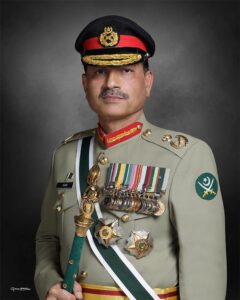
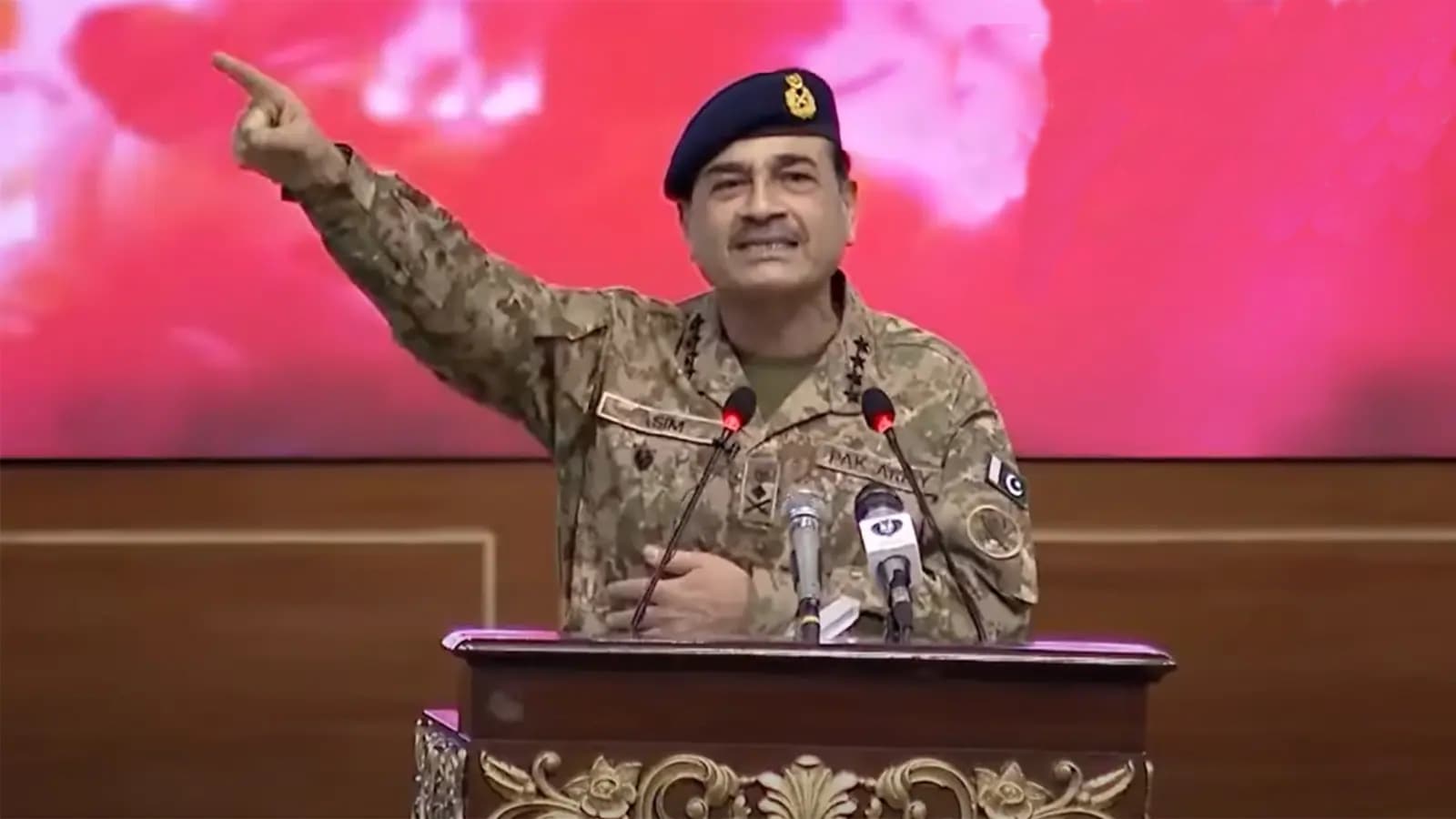
Field Marshal Syed Asim Munir Ahmed Shah has emerged as one of Pakistan’s most prominent military leaders during a period marked by evolving security challenges, regional uncertainties, and growing international engagement. As Chief of the Army Staff, he has led Pakistan’s armed forces through complex counterterrorism operations while emphasizing national cohesion, institutional professionalism, strategic preparedness, and regional stability. His leadership has attracted international attention because of Pakistan’s role in promoting dialogue, supporting regional peace, and contributing to broader security cooperation.
Field Marshal Syed Asim Munir Ahmed Shah NI(M) HJ HI(M) is a Pakistani military officer who is currently serving as Pakistan’s first Chief of Defence Forces and the 11th Chief of the Army Staff of the Pakistan Army concurrently. Prior to becoming the COAS, he was posted at the GHQ as quartermaster general.This profile presents an overview of his professional career, leadership philosophy, and contributions to Pakistan’s national security. It focuses on his military experience, strategic outlook, and commitment to peace while maintaining an objective and balanced perspective suitable for an international readership.
 A Career Built on Professional Excellence
 A Career Built on Professional Excellence
Born in Rawalpindi in 1968, Syed Asim Munir joined the Pakistan Army after graduating from the Officers Training School, Mangla, where he earned the prestigious Sword of Honour as the best-performing cadet of his course. He was commissioned into the Frontier Force Regiment and steadily progressed through a distinguished military career characterized by operational excellence, discipline, and professional competence.
Throughout his service, he held several of Pakistan’s most important command and intelligence appointments. These included Director General of Military Intelligence, Director General of the Inter-Services Intelligence (ISI), and Commander of XXX Corps, Gujranwala. He remains the only Chief of the Army Staff to have headed both Military Intelligence and the ISI before assuming command of the Pakistan Army. This unique combination of intelligence and operational leadership provided him with extensive experience in strategic planning, national security assessment, and military decision-making.
His professional education has included advanced military training in Pakistan and abroad, reflecting the Pakistan Army’s longstanding emphasis on continuous professional development and international military cooperation. During his assignment in Saudi Arabia as Military Attaché, he also completed the memorization of the Holy Quran, becoming a Hafiz-e-Quran. This achievement reflects his personal discipline and commitment to faith alongside his military responsibilities.
In November 2022, he assumed command as Pakistan’s Chief of the Army Staff. In December 2025, he was appointed Pakistan’s first Chief of Defence Forces, a newly created position giving him unified command over the Army, Air Force, and Navy. During his tenure, he has consistently emphasized professionalism, operational readiness, institutional integrity, and national unity as essential foundations of an effective military organization.
Leadership in National Security
 Modern military leadership extends well beyond conventional battlefield command. Today’s military leaders are expected to integrate strategic planning, technological adaptation, intelligence coordination, crisis management, and cooperation with national institutions to safeguard their countries against diverse security challenges.
Field Marshal Asim Munir’s leadership has reflected these evolving responsibilities. His command has focused on strengthening operational preparedness while encouraging greater coordination among military formations and state institutions responsible for national security.
His public addresses have consistently stressed that Pakistan’s peace, sovereignty, and territorial integrity require unity among all segments of society. He has emphasized that national security is strengthened through cooperation between public institutions, responsible citizenship, and a collective commitment to peace and stability.
Military analysts widely recognize that successful armed forces depend upon discipline, professionalism, strategic foresight, ethical leadership, and institutional cohesion. These principles have remained central themes throughout his tenure.
 Marka-e-Haq and Operation Bunyan-um-Marsoos
 Marka-e-Haq and Operation Bunyan-um-Marsoos
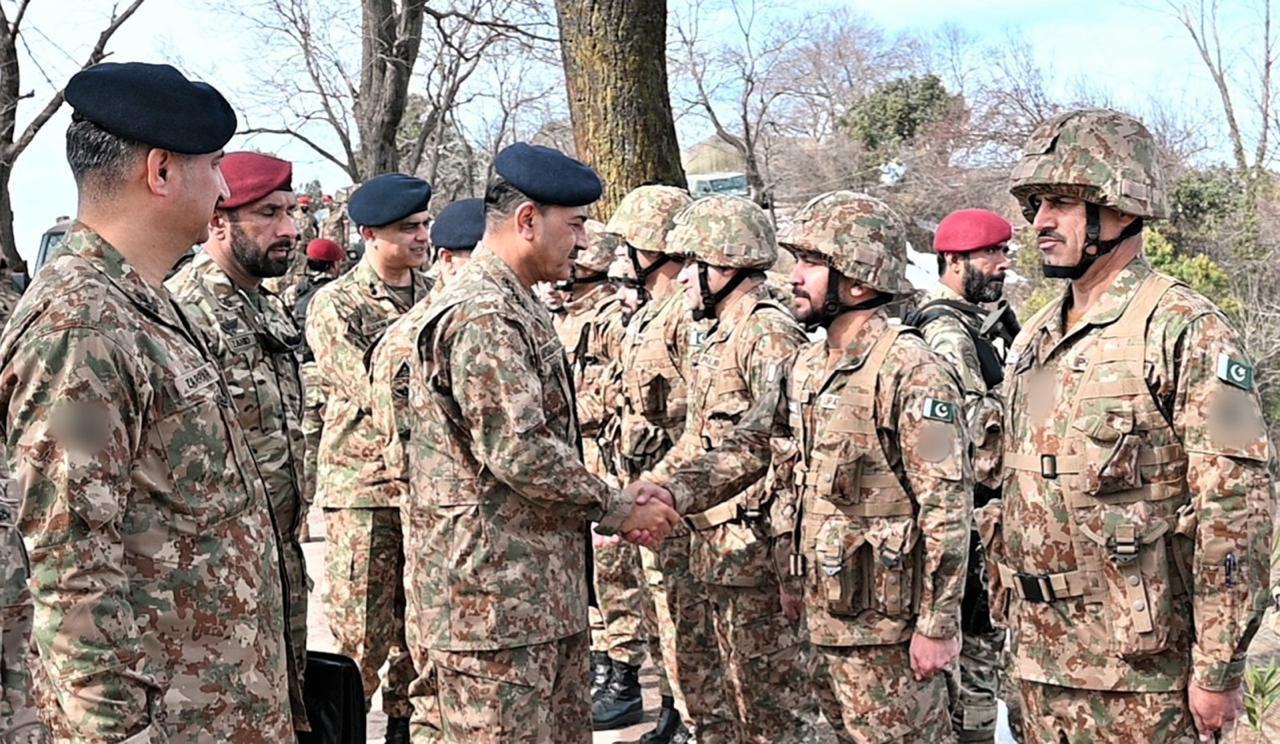
Among the most significant episodes of Field Marshal Asim Munir’s tenure was the brief but intense conflict with India in May 2025, which Pakistan has officially designated Marka-e-Haq, or the “Battle of Truth.” The confrontation began after India launched strikes inside Pakistan on 7 May 2025, which Pakistani authorities said killed civilians. In response, Pakistan’s armed forces launched a coordinated operation codenamed Bunyan-um-Marsoos, targeting Indian military installations before a ceasefire took hold on 10 May 2025 following intensive diplomatic efforts, including those of the United States. Pakistan subsequently designated 10 May as Youm-e-Marka-e-Haq, an annual day of national remembrance.
On the first anniversary of the episode in May 2026, Field Marshal Munir, by then serving as Chief of Defence Forces as well as Chief of Army Staff, led commemorations at General Headquarters in Rawalpindi. In his address, he described the conflict as a defining moment for the armed forces, credited national unity for the outcome, and reaffirmed that any future aggression against Pakistan would carry serious consequences. He also paid tribute to those who lost their lives during the conflict.
Counterterrorism and National Stability
Counterterrorism has remained one of the defining priorities of Pakistan’s security policy. The country has endured decades of terrorism that have affected civilians, educational institutions, places of worship, public infrastructure, and security personnel.
Under Field Marshal Asim Munir’s leadership, Pakistan’s armed forces have continued operations designed to protect citizens, strengthen border security, and counter violent extremist organizations. These efforts have sought to enhance public safety while supporting long-term national stability.
He has repeatedly emphasized that defeating terrorism requires a comprehensive national effort involving security institutions, civil administration, educational organizations, religious scholars, community leadership, and the broader public. His speeches have consistently highlighted the importance of unity, resilience, and national resolve in confronting security threats.
Pakistan’s armed forces continue to be recognized for maintaining high operational readiness under demanding circumstances. Their experience in counterterrorism, disaster response, border security, and peace support operations has contributed significantly to national resilience.
In one of his addresses, Field Marshal Asim Munir delivered a firm warning to terrorist groups operating in Balochistan, declaring that they were barely fifteen hundred individuals attempting to challenge the armed forces of Pakistan and the state of Pakistan, and that they did not possess the capability to confront or defeat the armed forces. Under his leadership, the Pakistan armed forces launched decisive operations against the perpetrators of the Jaffar Express attack, bringing many of those responsible to justice. The response demonstrated the military’s resolve, operational capability, and unwavering commitment to safeguarding Pakistan’s sovereignty and protecting its citizens from terrorism.
 A Central Role in the 2026 US-Iran Diplomacy
 A Central Role in the 2026 US-Iran Diplomacy
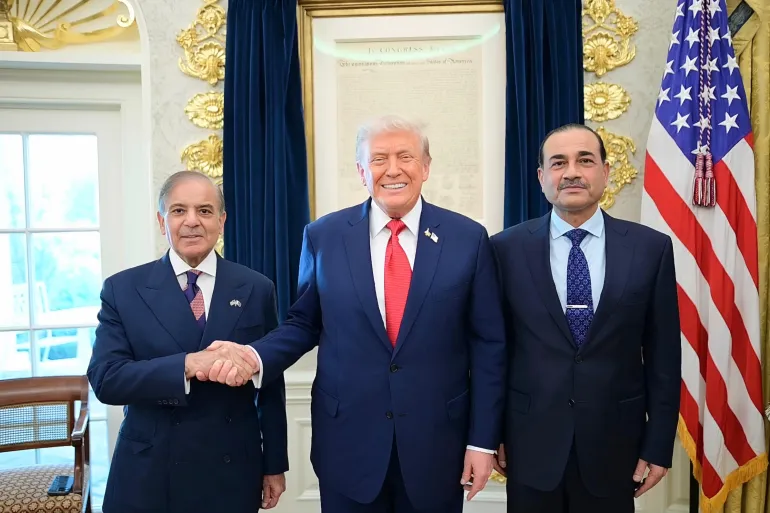
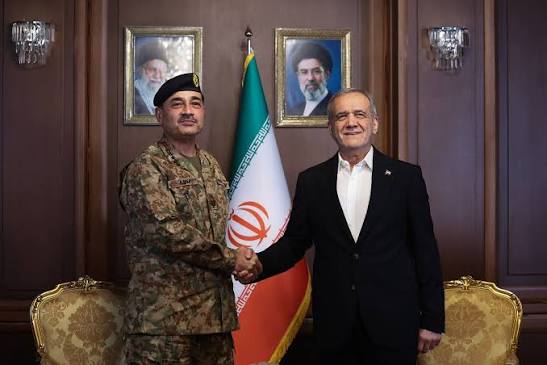
Field Marshal Munir’s international profile rose substantially in 2026 through Pakistan’s role in talks between the United States and Iran, held in part at Bürgenstock, Switzerland, alongside Qatari mediators. Pakistani officials, including Prime Minister Shehbaz Sharif and Munir, took part directly in the quadrilateral discussions, which Pakistan’s foreign ministry described as advancing implementation of an earlier Islamabad memorandum of understanding between Washington and Tehran.
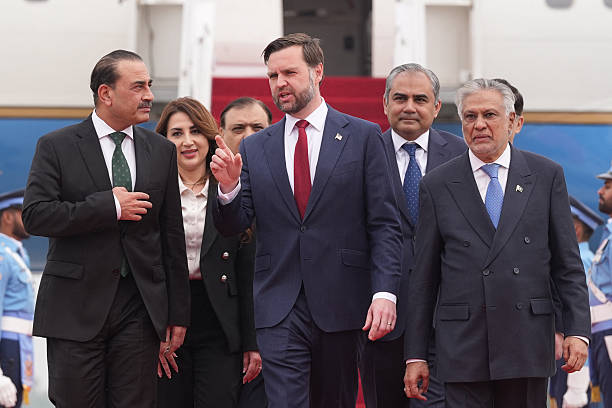
US Vice President JD Vance publicly credited Munir’s involvement in the process, remarking at Bürgenstock that he had spoken with the Field Marshal more than almost anyone else in the preceding months and praising what he called his statesmanship. Vance’s comments, along with similar remarks attributed to President Trump, were widely reported by international outlets including Al Jazeera, the Jerusalem Post, and Reuters. Iranian President Masoud Pezeshkian also visited Islamabad during this period and thanked Pakistan for its role in bringing the United States and Iran toward negotiation.
Observers have noted that Pakistan’s position as a country with working relationships with both Washington and Tehran allowed it to play a structural rather than incidental role in the negotiations. This mediating role added a further dimension to Field Marshal Munir’s public profile, extending his international visibility beyond his domestic military responsibilities.
 Advancing Regional Peace and International Engagement
 Advancing Regional Peace and International Engagement
Contemporary security increasingly depends upon dialogue, cooperation, and diplomatic engagement alongside military preparedness. Nations today recognize that sustainable peace often requires constructive communication among regional and international partners.
Pakistan has consistently supported peaceful resolution of disputes through dialogue while contributing to regional stability. During periods of heightened international tension, Pakistan has encouraged diplomatic engagement aimed at reducing conflict and promoting peaceful outcomes.
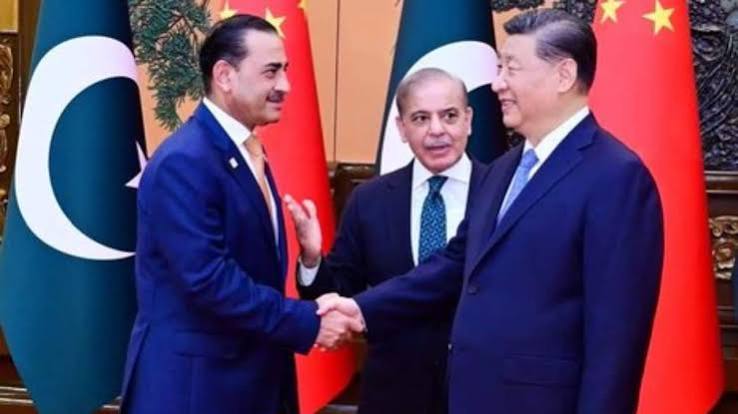
Field Marshal Asim Munir’s leadership has coincided with growing international recognition of Pakistan’s constructive engagement on regional security issues. International media, including leading publications such as the Financial Times, The New York Times, Reuters, Bloomberg, and Axios, have reported on Pakistan’s diplomatic efforts and its participation in initiatives intended to reduce tensions and encourage dialogue. Their reporting has focused on Pakistan’s role in facilitating communication and supporting peaceful engagement rather than offering editorial endorsements of individual leaders.
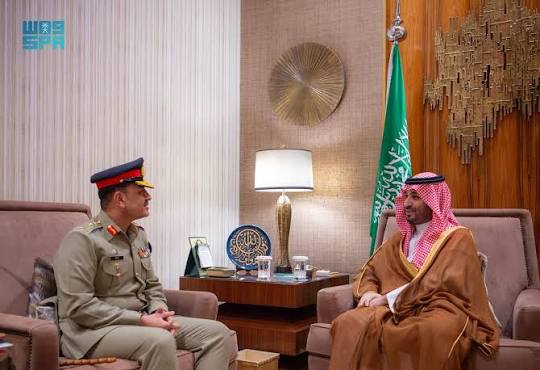 This international attention illustrates Pakistan’s continuing importance within the broader regional security environment and reflects the country’s longstanding relationships with multiple regional and global partners.
Military leadership in the twenty-first century increasingly involves cooperation with diplomatic institutions, humanitarian organizations, and international partners. Strategic dialogue, confidence-building measures, and crisis management have become integral components of comprehensive national security.
 Professional Leadership in a Changing Security Environment
 Professional Leadership in a Changing Security Environment
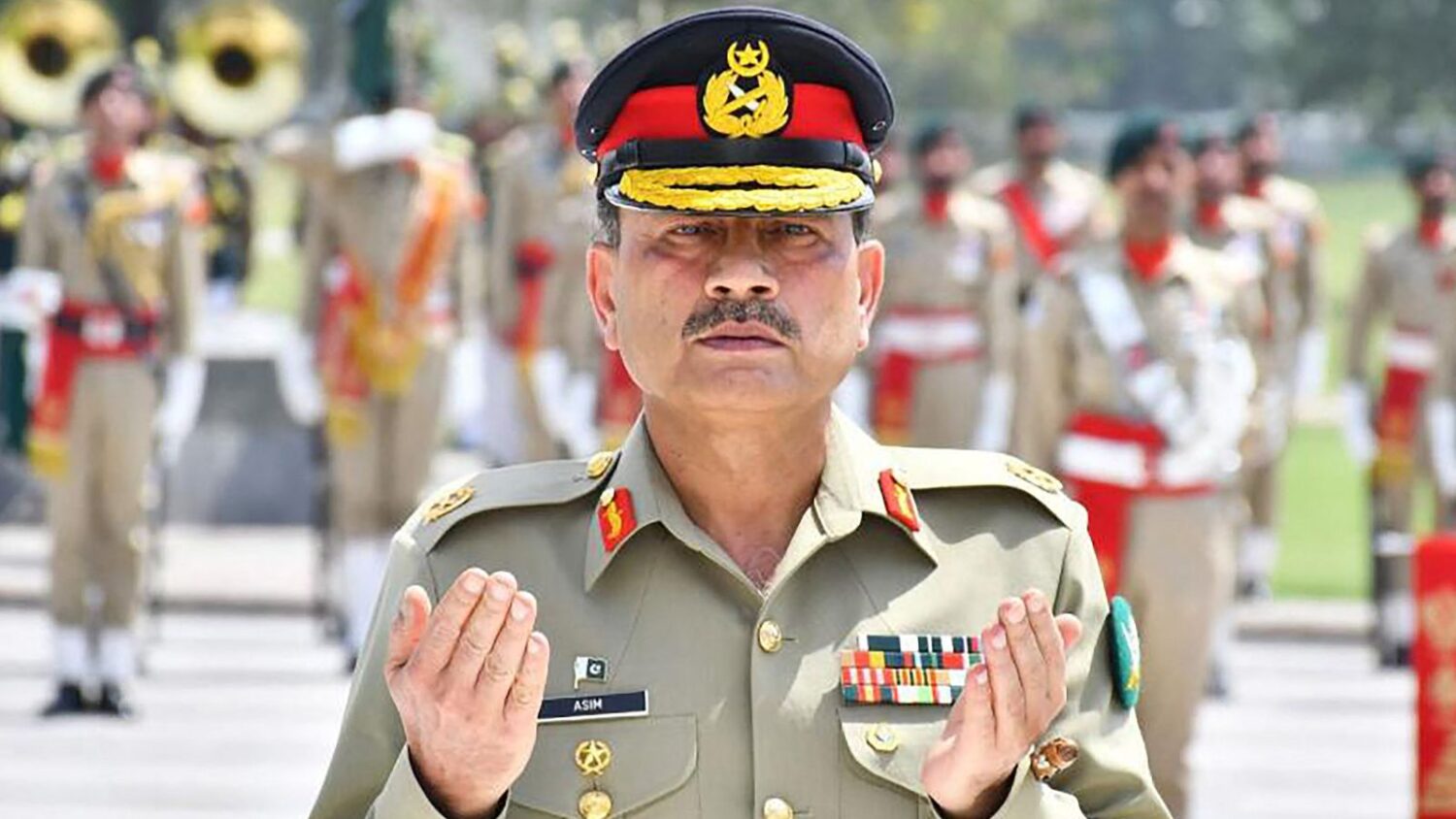
The character of military leadership has evolved significantly in the twenty-first century. Beyond operational excellence, today’s senior commanders are expected to demonstrate strategic vision, sound judgment, institutional integrity, adaptability, and the ability to respond effectively to rapidly changing security environments. They are increasingly required to balance military preparedness with constructive engagement in regional and international security dialogues.
Field Marshal Asim Munir’s tenure reflects many of these contemporary expectations. Throughout his career, he has emphasized discipline, professionalism, merit, and operational excellence as the cornerstones of military effectiveness. His leadership philosophy underscores the importance of preparedness, innovation, continuous professional development, and adherence to institutional values in meeting both conventional and non-conventional security challenges.
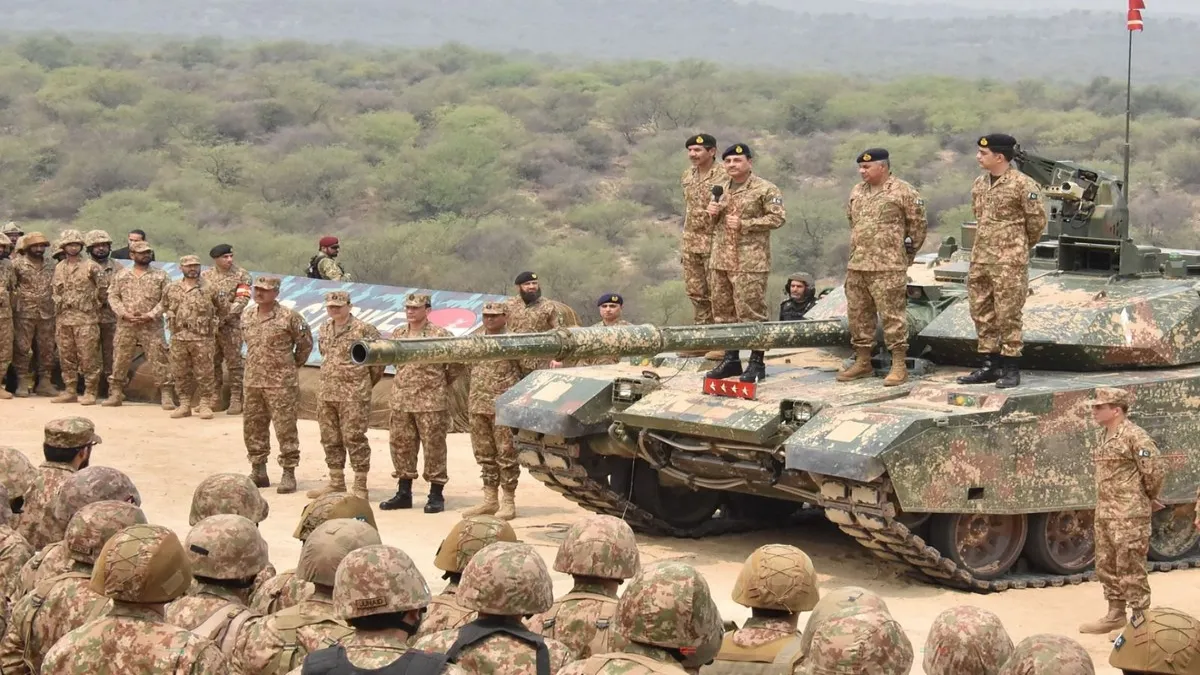 Security experts widely acknowledge that modern armed forces must remain adaptable to emerging threats, including terrorism, cybersecurity risks, hybrid warfare, and humanitarian emergencies. Addressing these challenges requires well-trained personnel, effective intelligence, technological modernization, and close coordination among national institutions. Pakistan’s armed forces have continued to strengthen these capabilities while maintaining a high level of operational readiness.
Professional military leadership also requires moral courage, composure under pressure, and an unwavering commitment to national service. These qualities contribute not only to operational success but also to strengthening public confidence in national institutions. Throughout his tenure, Field Marshal Asim Munir has consistently emphasized service to the nation, unity, discipline, and responsibility as guiding principles for the Pakistan Armed Forces.
Pakistan’s Armed Forces in International Context
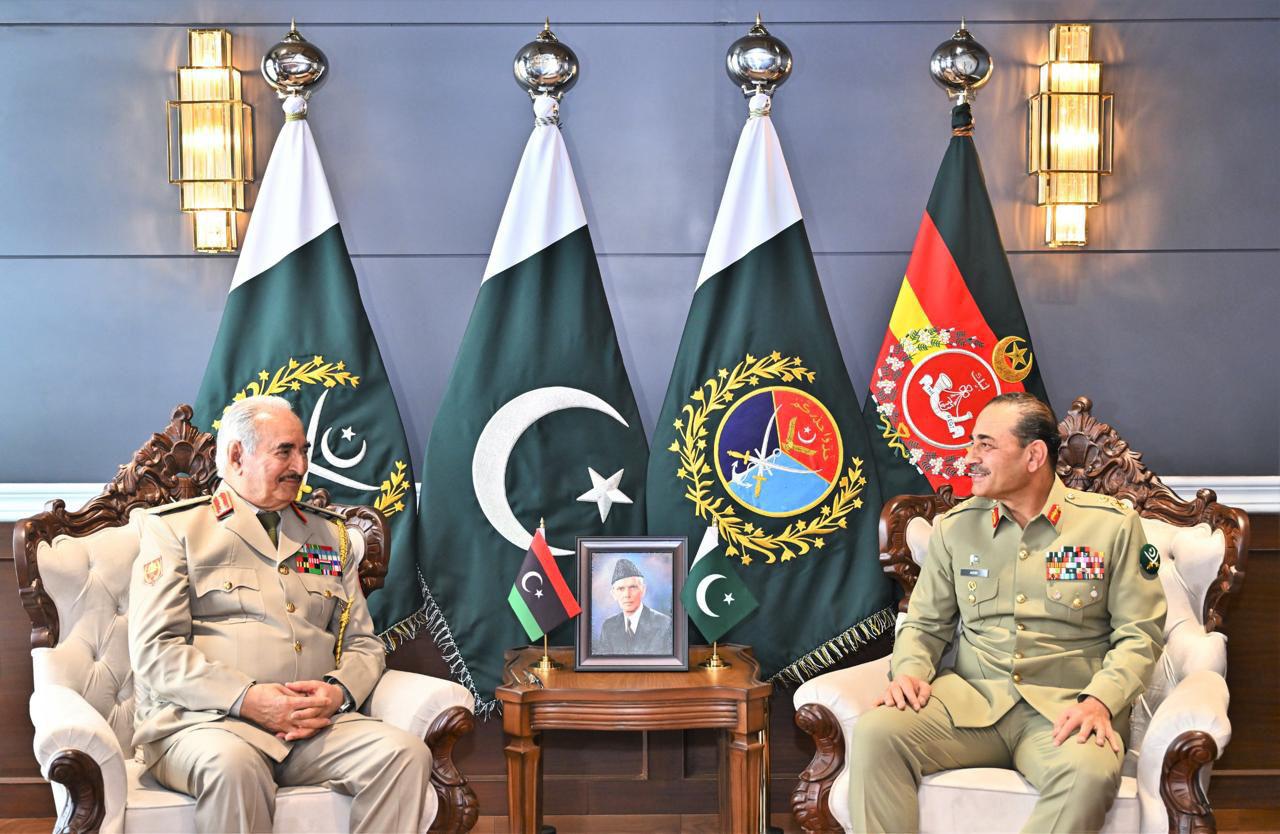
Pakistan’s armed forces are among the world’s largest and most experienced military institutions. Over the decades, they have developed a reputation for professionalism, operational capability, and disciplined service under demanding conditions. Their contributions extend beyond national defence to include humanitarian assistance, disaster relief, peace support operations, and international military cooperation.
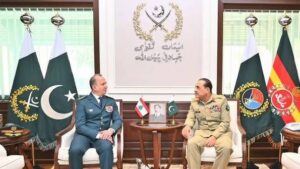 Pakistan has been one of the leading contributors to United Nations peacekeeping missions, with thousands of Pakistani military personnel serving in Africa, the Balkans, the Middle East, and other regions. Pakistani peacekeepers have earned international recognition for their professionalism, courage, humanitarian service, and commitment to protecting civilian populations in conflict-affected areas.
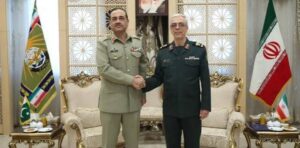 The Pakistan Army also maintains extensive professional relationships with military institutions around the world through training programmes, defence exchanges, joint exercises, and academic cooperation. These initiatives strengthen professional standards, encourage mutual learning, and contribute to regional and international security cooperation.
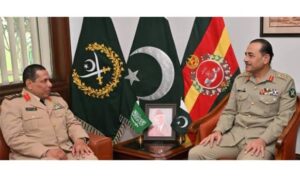 The country’s military academies and training institutions continue to produce highly qualified officers who receive education in strategy, leadership, technology, and operational planning. Continuous professional development remains a defining characteristic of Pakistan’s military tradition, ensuring that its armed forces remain capable of responding effectively to evolving security challenges.
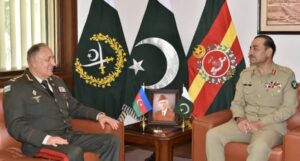 Within this institutional framework, Field Marshal Asim Munir’s tenure represents an important period characterized by sustained emphasis on operational readiness, counterterrorism, institutional professionalism, and regional engagement. His leadership has focused on strengthening the armed forces while supporting Pakistan’s broader objective of maintaining peace, stability, and national resilience.
 Conclusion
 Conclusion
Widely regarded as a visionary military leader with strategic foresight, Field Marshal Syed Asim Munir has gained recognition for his professional military leadership and diplomatic engagement. On 20 May 2025, Pakistan’s Federal Cabinet elevated him to the rank of Field Marshal, making him only the second officer in the nation’s history to receive the distinction after Field Marshal Ayub Khan, who was awarded the rank in 1959. During recent diplomatic engagements, U.S. Vice President JD Vance publicly acknowledged his interactions with Field Marshal Munir, highlighting their frequent discussions and professional rapport.
His military career reflects decades of professional service, strategic leadership, and commitment to Pakistan’s national security. From his early distinction as the recipient of the Sword of Honour to his leadership of Pakistan’s armed forces, his career has been shaped by operational experience, intelligence expertise, institutional discipline, and an enduring commitment to national service.
In an era marked by complex security challenges, successful military leadership requires not only operational capability but also strategic foresight, effective crisis management, institutional integrity, and support for peaceful regional engagement. These qualities remain essential for strengthening national security while contributing to regional stability.
Pakistan’s armed forces continue to play an important role in safeguarding the country’s sovereignty, supporting counterterrorism efforts, participating in humanitarian operations, and contributing to international peacekeeping missions. Their professionalism and dedication remain central to Pakistan’s national security architecture and its engagement with the international community.
As security challenges continue to evolve, the lasting assessment of Field Marshal Asim Munir’s leadership, like that of any senior military commander, will ultimately rest on measurable outcomes, institutional strength, national resilience, and the enduring contribution of the armed forces to peace, stability, and the security of Pakistan. His tenure represents an important chapter in the continuing evolution of Pakistan’s military leadership and its commitment to serving the nation with professionalism, discipline, and honour.
Author is Former Professor and Head, Department of Entomology,University of Agriculture, Faisalabad, Pakistan

