

PARIS: The International Energy Agency (IEA) has warned that the conflict involving Iran and disruptions to shipping through the Strait of Hormuz could accelerate changes in global energy policy, potentially reducing future oil demand as countries seek to strengthen energy security.
In its World Energy Outlook 2026, the agency examined how governments and energy markets could respond to prolonged instability in one of the world’s most important oil and liquefied natural gas transportation routes.
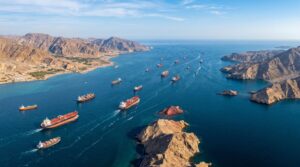
The Strait of Hormuz normally carries around one-fifth of global oil and liquefied natural gas supplies. Restrictions on shipping through the waterway have therefore created serious concerns for energy-importing countries, international trade and global fuel markets.
The IEA’s analysis includes an alternative scenario in which governments respond to the crisis by accelerating electrification, improving energy efficiency and shifting towards other sources of energy.
Under that scenario, global oil demand in 2035 could be 4.4 million barrels per day lower than projected under current policies, reaching approximately 97 million barrels per day. The agency also projects that demand could fall further by 2050 as electric vehicles and other technologies become more widely adopted.
The report suggests that electric vehicles alone could displace more than 11 million barrels of oil per day by 2050 under the alternative scenario.
The agency also highlighted the importance of reliable electricity networks, charging infrastructure and investment in energy systems to support the transition.
The warning comes as governments reassess their dependence on vulnerable shipping routes and imported fossil fuels. For countries heavily reliant on energy imports, the crisis has underlined the economic risks associated with supply disruptions.
The IEA’s projections are scenario-based estimates rather than guaranteed outcomes. Their realisation will depend on government policies, investment decisions, technology costs and the duration of geopolitical instability.
Source: Reuters, 19 November 2026, reporting on the International Energy Agency’s World Energy Outlook 2026

