


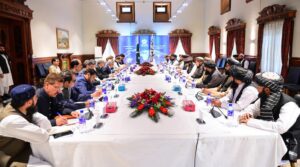
Pakistan-Afghanistan Relations: Islamabad Seeks Verifiable Action Against Militants
ISLAMABAD, November 13, 2026: Pakistan has maintained that meaningful diplomatic engagement with Afghanistan must address its security concerns, particularly allegations that militant groups are using Afghan territory to carry out attacks inside Pakistan.
Islamabad has repeatedly called on Afghanistan’s Taliban authorities to take verifiable action against groups it accuses of operating from across the border.
The issue remains one of the main obstacles to improving relations between the two neighbouring countries.
Pakistan Wants Verifiable Security Guarantees
Pakistan’s Foreign Office has previously stated that Islamabad is willing to engage in dialogue with Afghanistan but does not support unconditional negotiations.
In an October 17 briefing, Foreign Office spokesperson Sajjad Haider Khan said Pakistan wanted a verifiable mechanism to ensure that militant attacks originating from Afghan territory would stop.
According to the spokesperson, any diplomatic process should produce practical results rather than remain limited to statements and assurances.
Pakistan has repeatedly raised concerns about attacks attributed to the Tehreek-e-Taliban Pakistan (TTP) and other armed groups.
Afghanistan Rejects Pakistan’s Allegations
Afghanistan’s Taliban authorities have rejected accusations that they allow militant groups to use Afghan territory for attacks against Pakistan.
Taliban representatives have previously said that problems between the two countries should be resolved through dialogue and diplomacy.
Afghanistan has also criticised Pakistan’s approach, arguing that security allegations should not undermine bilateral relations.
These opposing positions have complicated efforts to establish lasting diplomatic and security arrangements.
Regional Mediation Efforts Continue
Several countries have shown interest in helping Pakistan and Afghanistan reduce tensions.
China, Qatar, Türkiye and Russia have been involved in diplomatic efforts or have expressed interest in facilitating dialogue between the two neighbours.
Previous meetings have focused on border security, militant activity, intelligence cooperation and mechanisms to prevent further clashes.
However, disagreements over the presence and activities of militant groups have continued to create difficulties.
Security Remains the Main Challenge
Pakistan and Afghanistan share a long border, and security developments along the frontier have significant consequences for both countries.
Islamabad has repeatedly linked improved relations to action against groups it says threaten Pakistan’s security.
The Taliban government, meanwhile, has denied supporting such groups and has called for diplomatic solutions.
What Happens Next?
The future of Pakistan-Afghanistan relations will depend largely on whether both sides can reach an understanding on security concerns and establish a mechanism that both governments accept.
Diplomatic engagement remains important for preventing further tensions, protecting civilians and maintaining regional stability.
For now, the central disagreement over cross-border militancy continues to shape relations between Islamabad and Kabul.

