



 Naveed Ahmad Khan
 Naveed Ahmad Khan
Malaysian cuisine stands as one of the most vibrant and diverse culinary traditions in Southeast Asia, a delicious reflection of the country’s multicultural identity. Shaped by centuries of trade, migration and cultural exchange between Malay, Chinese, Indian and indigenous communities, Malaysian food offers a sensory journey unlike any other — one where bold spices, fresh herbs, and contrasting textures come together in perfect harmony. Islamabad residents now have a rare opportunity to experience this culinary richness firsthand, as the High Commission of Malaysia, in collaboration with Serena Hotels, hosts the “Visit Malaysia 2026: Tourism and Gastronomy Festival” at Zamana Restaurant, Islamabad Serena Hotel, running from 17 to 23 September.
A Melting Pot of Flavors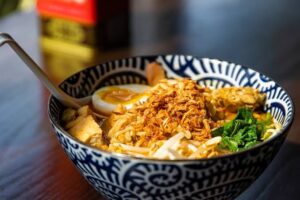
What makes Malaysian cuisine truly distinctive is its fusion character. Unlike cuisines that evolved largely in isolation, Malaysian food developed at the crossroads of ancient trade routes, absorbing influences from Arab traders, Indian merchants, Chinese immigrants and Portuguese and British colonial powers. The result is a cuisine that celebrates diversity while maintaining its own unmistakable identity — spicy, aromatic, and deeply satisfying. The Islamabad festival captures this spirit through a curated menu prepared by specialty chefs from Serena Hotels and the Malaysian High Commission, bringing authentic recipes to Pakistani audiences.
 Nasi Lemak: The National Dish
No discussion of Malaysian food is complete without Nasi Lemak, widely regarded as the country’s national dish. This beloved breakfast staple consists of fragrant rice cooked in coconut milk and pandan leaves, served with sambal (a fiery chili paste), fried anchovies, roasted peanuts, cucumber slices and a boiled or fried egg. Though traditionally eaten in the morning, Nasi Lemak has become so popular that it is enjoyed throughout the day, often accompanied by fried chicken, rendang or other protein additions. Its balance of creamy rice, spicy sambal and crunchy toppings exemplifies the layered complexity that defines Malaysian cooking.
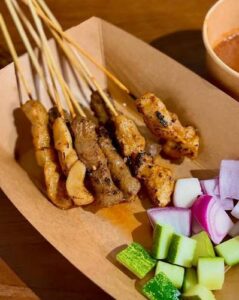 Satay: Skewered Perfection
Satay, skewers of marinated meat grilled over charcoal and served with a rich peanut sauce, is another iconic Malaysian favorite. Whether made with chicken, beef or mutton, satay is marinated in a blend of turmeric, lemongrass, garlic and other spices before being grilled to smoky perfection. The accompanying peanut sauce, sweet and slightly spicy, is often considered just as important as the meat itself.
Laksa: A Bowl of Bold Flavors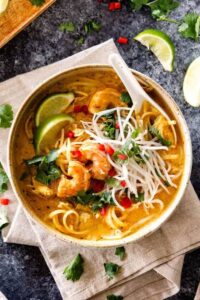
Laksa is perhaps Malaysia’s most celebrated noodle dish, though it varies dramatically by region. Penang Laksa (Assam Laksa) features a tangy, fish-based broth flavored with tamarind, while Curry Laksa, popular in Kuala Lumpur, offers a rich, coconut-based curry broth loaded with noodles, tofu puffs, prawns and bean sprouts. Each regional variation tells its own story of local ingredients and cultural influence, yet all share the hallmark Malaysian trait of balancing spice, sourness and richness in a single bowl.
 Rendang: Slow-Cooked Tradition
Rendang, a dry curry dish of meat slow-cooked in coconut milk and a complex blend of spices including lemongrass, galangal, turmeric and chilies, is a dish reserved for special occasions such as weddings and festive celebrations like Hari Raya. The slow cooking process allows the meat to become tender while the sauce reduces into a thick, deeply flavorful coating, earning rendang international recognition as one of the world’s most delicious dishes.
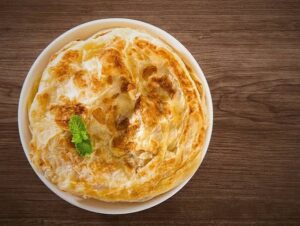 Roti Canai and Char Kway Teow: A Blend of Heritage
Reflecting Malaysia’s Indian Muslim influence, Roti Canai is a flaky, layered flatbread typically served with dhal or curry for dipping. Meanwhile, Char Kway Teow, a stir-fried flat rice noodle dish cooked with prawns, Chinese sausage, bean sprouts and eggs, showcases the country’s Chinese-Malaysian heritage through its smoky, wok-fried flavor.
 A Festival Bringing Malaysia to Islamabad
At the heart of the Islamabad festival’s culinary programme is Chef Pathmanathan Balagangdaram , a Malaysian specialty chef representing Serena Hotels,they have curated a menu highlighting traditional recipes and distinctive flavors drawn from Malaysia’s rich culinary heritage, giving guests a genuine taste of dishes like those described above, prepared with authentic techniques and imported expertise.
Mr. Balagangdaram has certifications in HACCP, Commercial Cookery, Hotel Brand Standards and restructuring and re-designing of kitchen production units.
Beyond the food, the festival also features special cultural performances by artists flown in especially from Malaysia, offering guests a glimpse into Malaysian traditions that extend beyond the plate. This combination of cuisine and live performance transforms the week-long celebration into a fuller cultural experience, aligning with Serena Hotels’ broader Cultural Diplomacy initiative.
A Cuisine Worth Celebrating
Malaysian cuisine is more than just food — it is a living testament to the country’s history of cultural coexistence and exchange. Each dish tells a story of migration, adaptation and shared heritage. Through initiatives like the Visit Malaysia 2026: Tourism and Gastronomy Festival at Islamabad Serena Hotel, Pakistani audiences are being offered a meaningful gateway into understanding Malaysia’s diverse identity — one dish, and one cultural performance, at a time.