



Naveed Ahmed Khan
ISLAMABAD: Ambassador of Poland to Pakistan, H.E. Maciej Pisarski, has praised Pakistan’s diplomatic role in addressing tensions in the Middle East, saying Islamabad has emerged as a constructive mediator in efforts aimed at regional de-escalation.
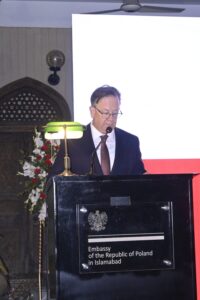 “We have witnessed yet another conflict reverberating through the Middle East with global consequences. In this case, Pakistan has stepped in as a mediator, working with the concerned parties to find a solution to the conflict through diplomacy and dialogue,” Ambassador Pisarski said.
“The Islamabad Process has already contributed to de-escalation. We sincerely keep our fingers crossed for the success of the mediation effort led by Pakistan,” he added while addressing a gathering at a reception hosted by the Polish Embassy in Islamabad to mark Poland’s National Day.
Federal Minister for Water Resources Mian Muhammad Mueen Wattoo attended the event as chief guest, while Federal Minister for Climate Change and Environmental Coordination Musadik Masood Malik was the guest of honour.
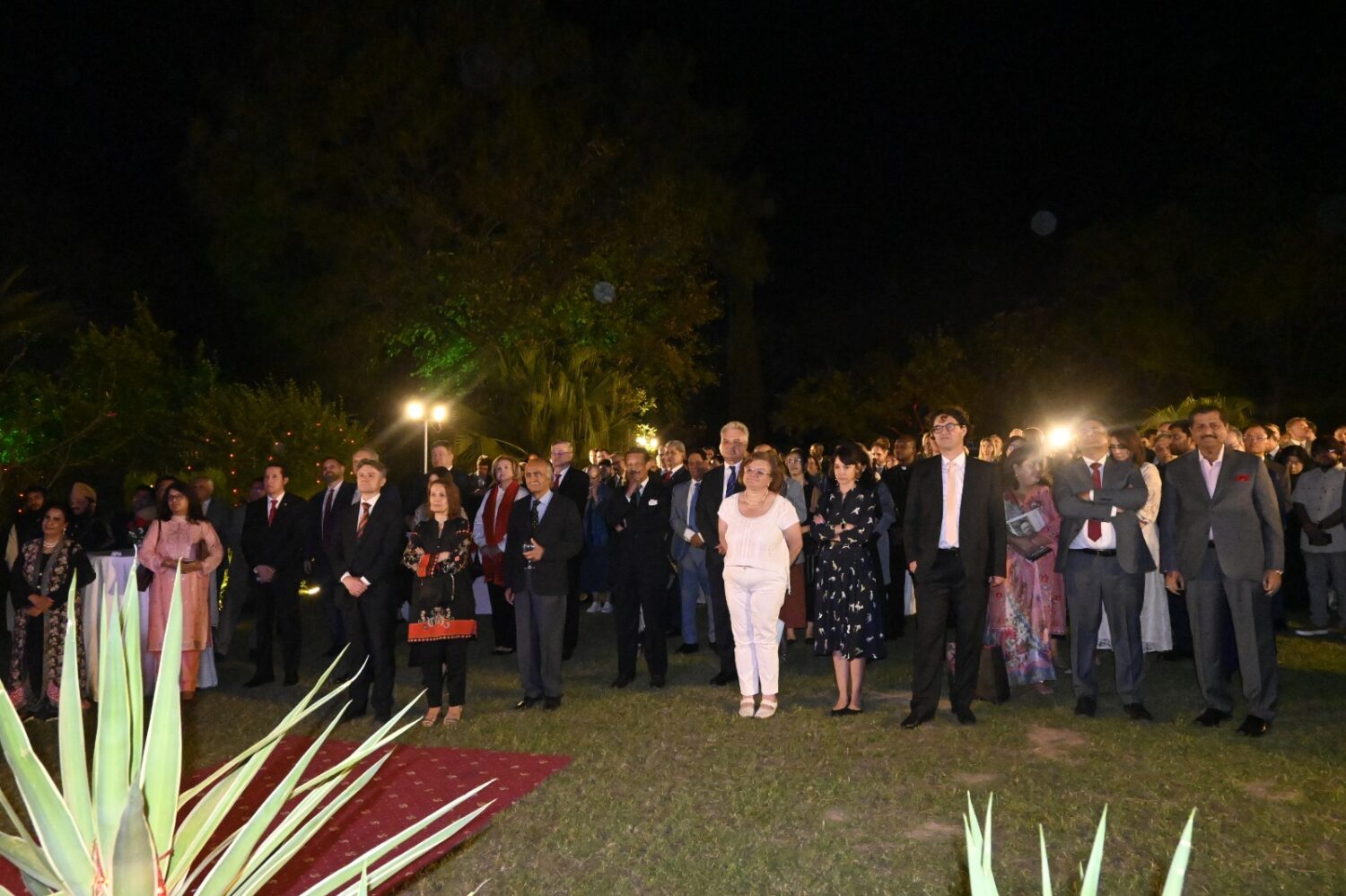
Among other distinguished participants were Ayesha Ali, Additional Secretary (Europe) at Pakistan’s Ministry of Foreign Affairs; H.E. Mr. Atadjan Movlamov, Ambassador of Turkmenistan and Dean of the Diplomatic Corps in Islamabad; diplomats from the European Union and other missions, business leaders, and media representatives.
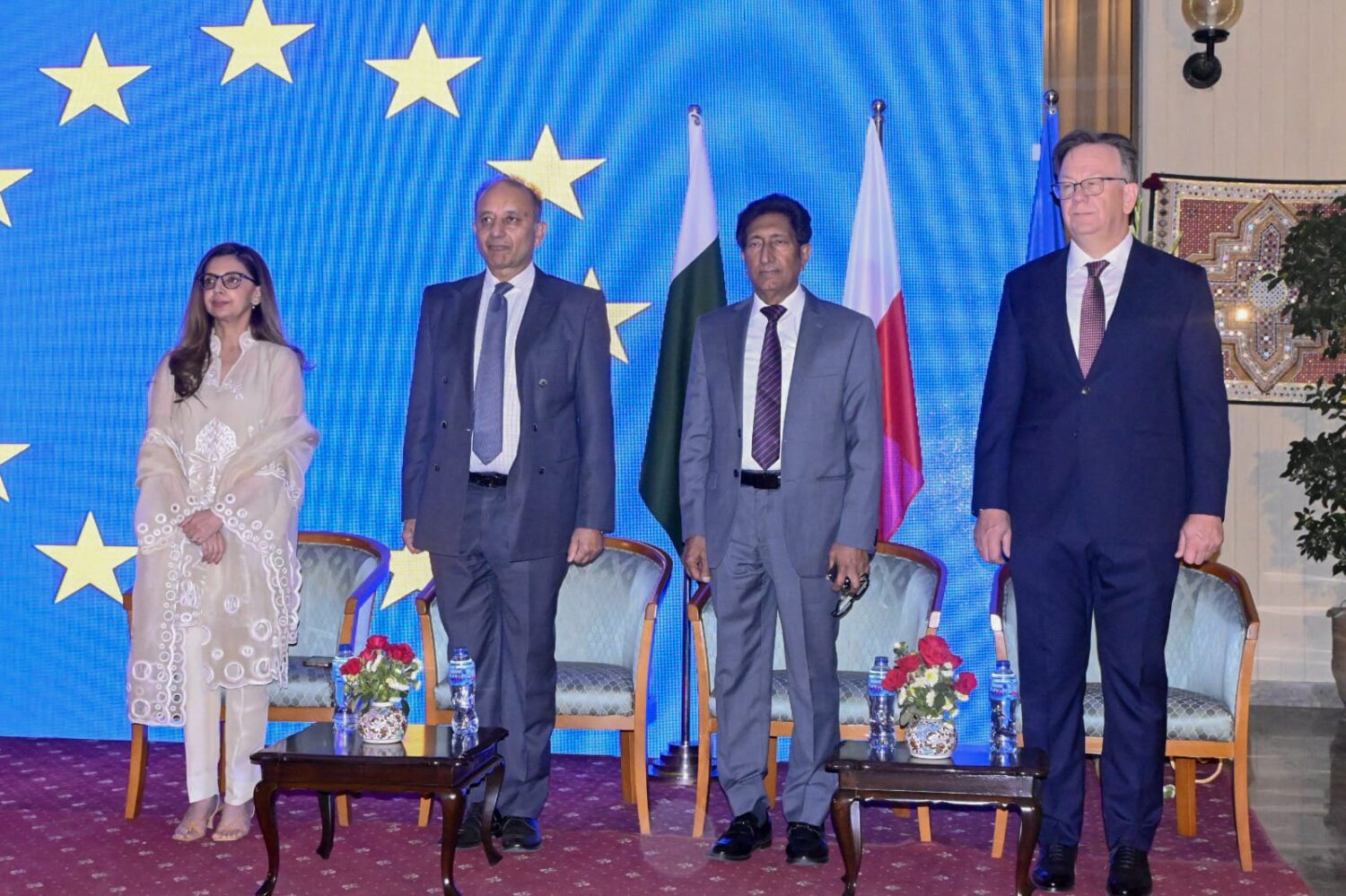 In his address, Ambassador Pisarski delivered a reflective and forward-looking speech, highlighting the enduring significance of Poland’s Third May Constitution of 1791 and the strengthening partnership between Poland and Pakistan.
He described the 1791 Constitution as a symbol of Poland’s historic commitment to freedom, self-determination, and civic empowerment, values that have inspired generations of Poles for more than two centuries.
Possibly delivering his final National Day address in Islamabad after more than four and a half years in Pakistan, Ambassador Pisarski adopted a personal tone, reflecting on his diplomatic journey and experiences in the country.
“There has never been a dull moment in Islamabad,” he remarked, adding that his tenure was marked by “unique moments, exceptional encounters and unforeseen experiences” that transformed his understanding of Pakistan and its people.
 Placing his remarks within an increasingly complex global environment, the ambassador voiced concern over ongoing international crises, including the war in Ukraine and the humanitarian situation in Gaza.
He reiterated Poland’s firm support for international law, sovereignty, and the principles of justice and self-determination.
Referring again to developments in the Middle East, he noted that Pakistan’s diplomatic engagement had offered hope for peaceful conflict resolution through dialogue.
On bilateral relations, Ambassador Pisarski said Poland-Pakistan ties were on an upward trajectory, particularly after the October 2025 visit of Poland’s Deputy Prime Minister and Foreign Minister Radoslaw Sikorski to Islamabad.
He said high-level engagements with Pakistan’s leadership, including President Asif Ali Zardari, Prime Minister Shehbaz Sharif, and Deputy Prime Minister/Foreign Minister Ishaq Dar, had opened a “new chapter” in bilateral cooperation.
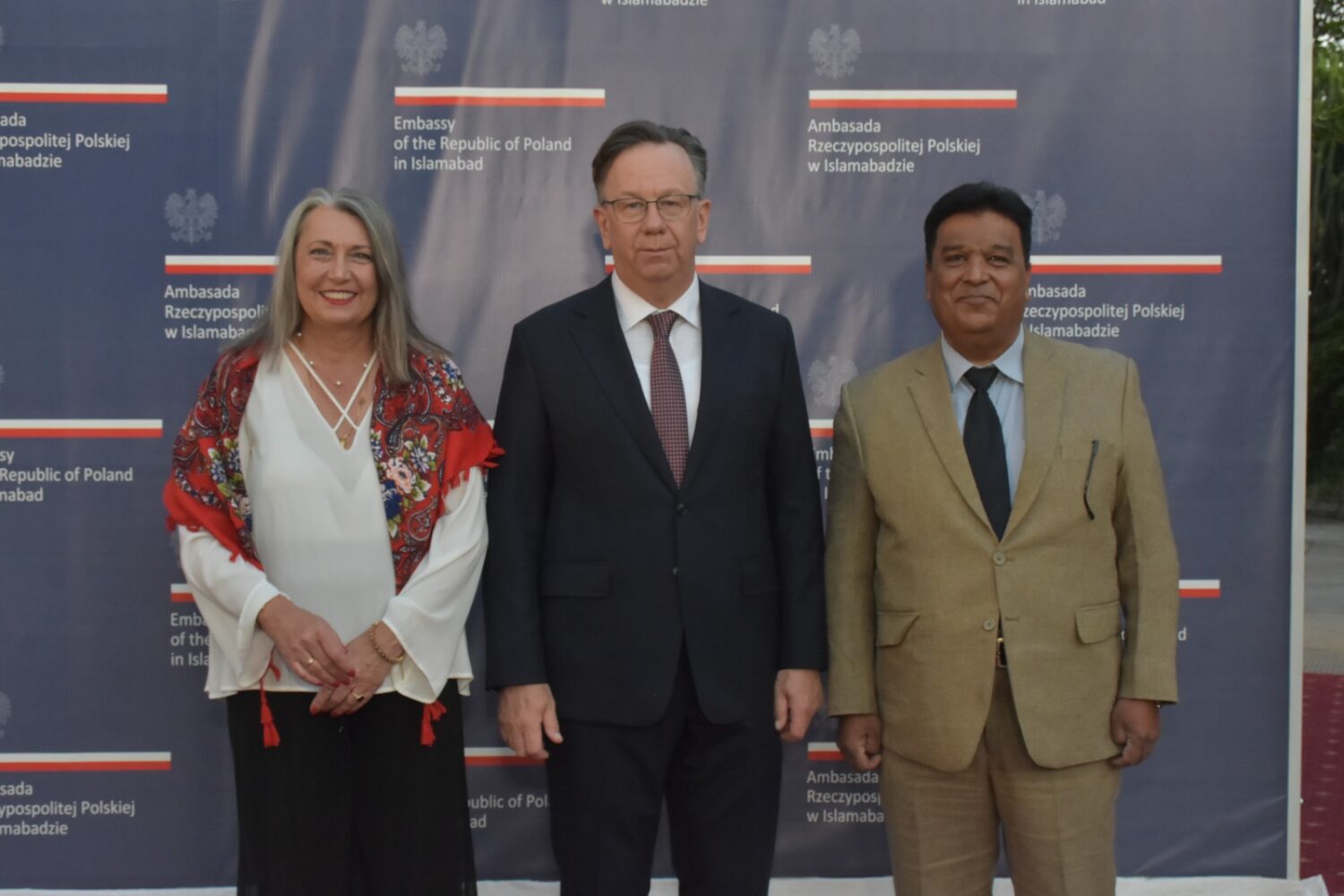 The ambassador also highlighted growing security cooperation, referring to Interior Minister Mohsin Naqvi’s February visit to Poland, which strengthened joint efforts against transnational threats.
On the economic front, he noted that bilateral trade had crossed $1.3 billion, calling it a “GSP Plus success story,” and expressed optimism about further growth, particularly in Polish exports and investment.
He also acknowledged the role of the Orlen Group in Pakistan’s energy sector, citing its investment in gas exploration projects in Sindh that have contributed to local energy production and capacity building.
Beyond diplomacy and trade, Ambassador Pisarski emphasized people-to-people connections as the most meaningful legacy of his tenure.
He highlighted several initiatives undertaken by the embassy, including educational projects in Islamabad and northern areas, vocational training programmes, and partnerships with women’s organisations in Hunza to promote empowerment and safe working spaces.
Cultural diplomacy also featured prominently, with initiatives promoting Polish music, arts, and mountaineering heritage in Pakistan.
Ambassador Pisarski recalled the legacy of renowned Polish climber Wanda Rutkiewicz, the first woman to summit K2, as a symbol of the long-standing bond between Polish and Pakistani climbing communities.
In his concluding remarks, he expressed gratitude to his wife, embassy staff, local partners, and the people of Pakistan for their support and friendship throughout his tenure.
He fondly recalled visits to Lahore, Karachi, Peshawar, Skardu, and Hunza, describing Pakistan as a country whose “vivid and authentic image” would remain with him.
Closing his speech in Urdu, he said: “Hamari Pakistani dostou – bohot shukria aur Pak-Poland dosti zindabad.”