


Where memory becomes monument, and a city’s soul rises to meet the world
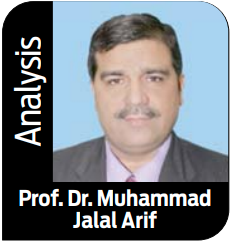
“Faisalabad, historically known as Lyallpur, stands at a decisive moment in its civilizational journey—a juncture where brick meets memory, and ambition meets identity.”
PRELUDE:The Weight of Great Cities
Across the ages, civilization has measured itself not merely by what it builds, but by what it chooses to remember. Museums are the sanctuaries of that choice—temples of collective memory where the genius of peoples is safeguarded for those not yet born. From the British Museum in London to the Louvre in Paris, from the Smithsonian in Washington to the Egyptian Museum in Cairo, the greatest cities of the world are judged by the reverence with which they preserve their stories.
Faisalabad now stands before that same reckoning. The proposed transformation of the Lyallpur Museum is not merely a construction project—it is a civilizational declaration. It signals to the world that this city of extraordinary industry, agriculture, culture, and courage possesses not only the engine of progress, but also the memory that gives that progress meaning.
- 3,000 curated artifacts in the current collection
- 8,000+ target collection upon expansion
- 1.5 acres allocated for the new site
ORIGINS:A Heritage Cradle is Born
The Lyallpur Museum was born of farsighted conviction. Established through the visionary initiative of the late Saeed Iqbal Wala, former Deputy Commissioner of Faisalabad, what began as a modest undertaking swiftly became the city’s most cherished repository of identity.
Nearly three thousand meticulously curated objects—crafts, manuscripts, photographs, and instruments of agriculture and industry—tell the living story of Lyallpur’s transformation across generations. These artifacts chronicle agricultural roots, textile ascendancy, industrial growth, and the richness of multicultural traditions.
They preserve not merely objects, but human stories—the quiet dignity of farmers, the ingenuity of weavers, and the courage of entrepreneurs who built empires from cotton and looms.
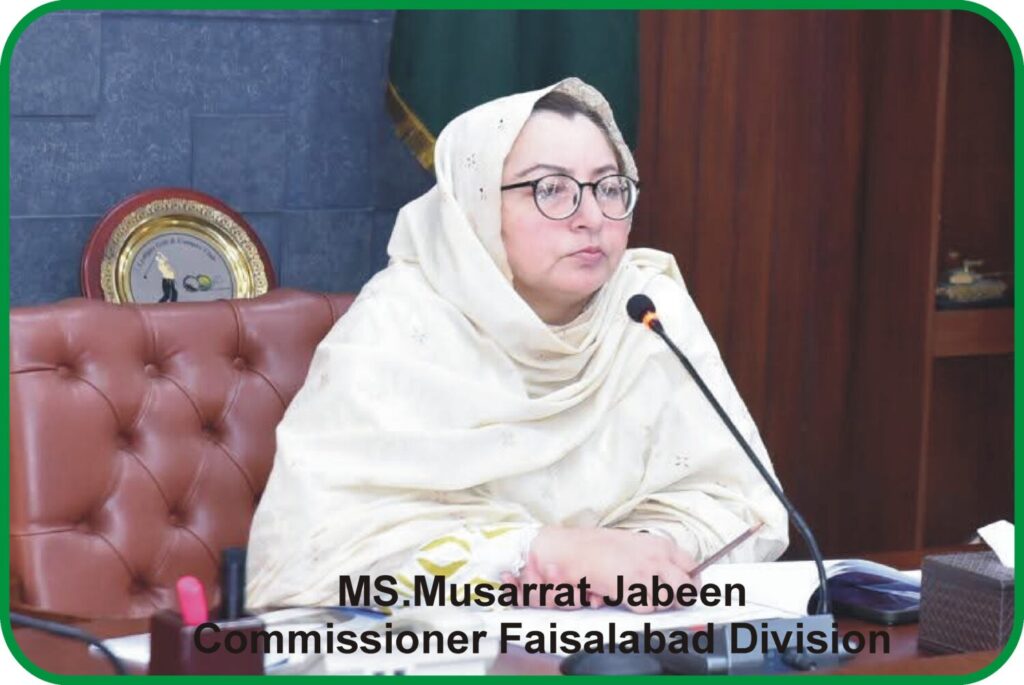
“Heritage is not a luxury—it is the very pillar upon which identity, civic pride, and the continuity of knowledge are built. A nation that forgets its past has no compass for its future.”
— Divisional Commissioner Musarrat Jabeen
 LEADERSHIP:Visionary Hands at the Helm
This transformation is guided by exceptional institutional leadership. Divisional Commissioner Musarrat Jabeen has placed the museum’s upgradation among her top priorities, envisioning a cultural landmark worthy of Faisalabad’s extraordinary narrative—from canal colonies to global textile prominence.1.5 acre land is allocated at chak no 203 RB near faisal valley.D C fsd is principal architect of this museum
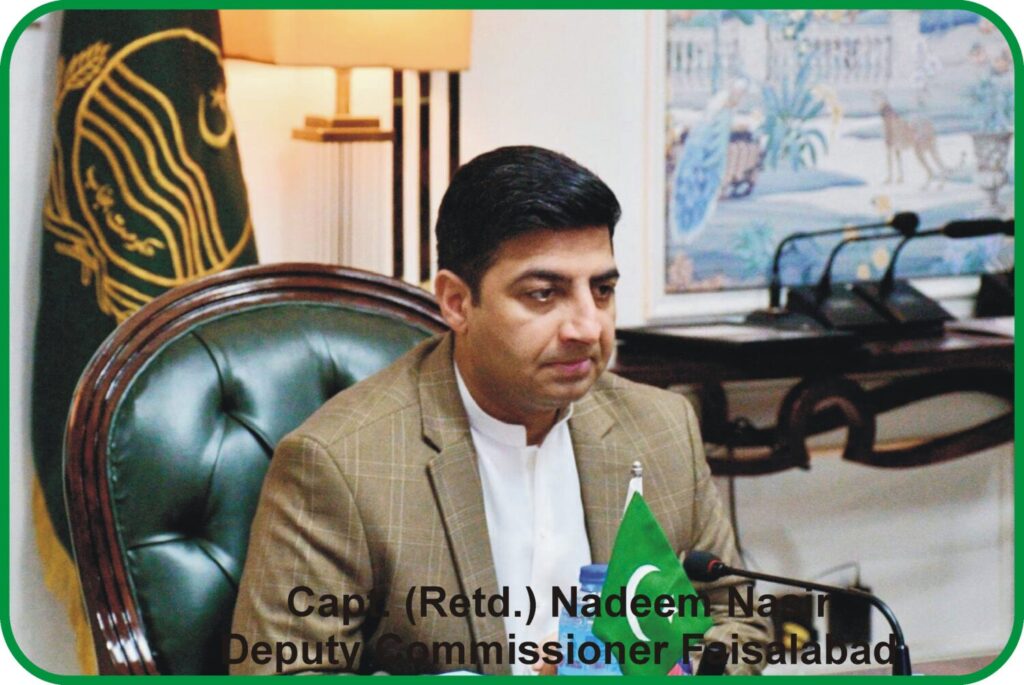
Deputy Commissioner Captain R. Nadeem Nasir plays a pivotal role in executing this vision, overseeing land development, planning, and infrastructure coordination. Supporting this effort is Maqbool Ahmad Malik, Director DGPR Faisalabad, whose institutional collaboration has helped advance the design and approval processes.
 THE FUTURE:From Silent Halls to Living Worlds
The future Lyallpur Museum must transcend traditional boundaries. It must evolve from silent halls of static displays into a vibrant, immersive civilization center—a Global Digital Gateway.
Key features may include:
- Holographic storytelling theatres bringing history to life
- Augmented reality experiences enabling visitors to walk through centuries
- Virtual textile factory simulations showcasing industrial heritage
- Immersive agricultural galleries celebrating green revolutions
- Interactive digital archives and touchscreen historical maps
- Oral history stations preserving voices of the past
- Children’s innovation zones to inspire future generations
- A state-of-the-art souvenir gallery featuring Lyallpur heritage crafts and commemorating unexplored historical chapters of the city
The Manchester of Pakistan
No institution representing Faisalabad can ignore the textile revolution that shaped its identity. Known globally as the Manchester of Pakistan, the city’s rise through industrial excellence deserves a dedicated gallery.
Institutions like Sitara Textile Mills, Kohinoor Textiles, and Nishat Group symbolize more than business success—they represent human determination, creativity, and the transformation of raw cotton into economic strength.
“A city’s soul is not measured only by the weight of its factories—but by the depth of its creativity, the courage of its dreamers, and the beauty of its memory.”
— Dr. Muhammad Jalal Arif
Agricultural Legacy
UAF: 150 Years of Feeding a Nation
No narrative of Faisalabad is complete without the University of Agriculture Faisalabad (UAF), one of Asia’s most prestigious agricultural institutions.
A dedicated pavilion should highlight:
- Agricultural modernization across Pakistan
- Crop science innovations
- Water resource management breakthroughs
- Livestock development advancements
- Food security leadership
- Rural transformation
Ranked among the top agricultural universities globally, UAF represents generations of scientists and educators whose work has sustained millions.
Cultural Inheritance:The City’s Creative Soul
Lyallpur has contributed not only to industry and agriculture, but also to art, music, and culture. The museum must celebrate this legacy.
It should honor legends like Nusrat Fateh Ali Khan, whose voice transcended borders, as well as craftsmen, artists, reformers, and sports heroes who shaped the city’s cultural identity.
Economic Vision:A Museum as Economic Engine
A world-class museum is not just a repository of the past—it is an engine for the future.
A transformed Lyallpur Museum will:
- Attract scholars, tourists, and investors
- Boost hospitality, transport, and handicraft sectors
- Serve as a living classroom for students
- Enhance Faisalabad’s global cultural standing
Conclusion
A Monument to Memory, An Illumination of the Future
Lyallpur Museum stands on the threshold of transformation. It is no longer just a collection of artifacts—it is a declaration of identity.
From a cradle of local heritage, it can rise into a global digital gateway of knowledge and pride. A place where every visitor leaves transformed by the story of a resilient, creative, and forward-looking people.
If built with vision and integrity, the Lyallpur Museum will not only preserve the past—it will illuminate the future.
Author is Former Professor & Head of Department, Entomology,University of Agriculture Faisalabad

