

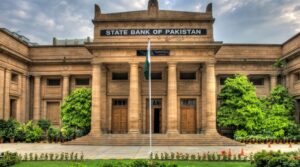
ISLAMABAD: Pakistan’s central bank expects inflation to gradually ease towards its medium-term target range of 5 to 7 per cent during the financial year 2026-27, offering a cautiously optimistic outlook for the country’s economy.
According to the State Bank of Pakistan’s annual report released on November 16, the country’s consumer price inflation is expected to move towards the central bank’s target range during the coming financial year.
The report also projects real gross domestic product (GDP) growth between 3.5 and 4.5 per cent, indicating expectations of continued economic expansion.
The central bank has estimated that Pakistan’s current account deficit could remain between zero and one per cent of GDP during FY2027.
Meanwhile, the fiscal deficit is projected to range between 3 and 4 per cent of GDP.
Inflation remains one of the most important economic concerns for Pakistani households, businesses and policymakers. Changes in food prices, energy costs, transportation expenses and the value of the national currency directly influence purchasing power and the cost of living.
A gradual reduction in inflation could provide some relief to consumers, although lower inflation does not necessarily mean that existing prices will return to previous levels.
Economic growth will also depend on investment, industrial production, agricultural performance and the stability of the country’s financial system.
The projections present a cautiously positive outlook, but their achievement will depend on domestic economic conditions and developments in international markets.
For Pakistan, maintaining price stability while encouraging sustainable economic growth remains a major policy challenge.

