



Naveed Ahmad Khan
July 8, 1994 became one of the most significant dates in the history of North Korea as Kim Il-sung, the country’s founder and only official President, died of heart failure at the age of 82. His passing marked the end of nearly five decades of uninterrupted leadership and ushered in a new chapter for one of the world’s most isolated nations.
State media announced the death shortly after it occurred, reporting that Kim had suffered a sudden heart attack while carrying out official duties. The announcement triggered a nationwide period of mourning, with citizens gathering in public squares, workplaces, and memorial sites to pay their respects. Government offices lowered flags, while public events were suspended during the official mourning period.
Kim Il-sung’s death attracted immediate international attention. Governments across Asia and beyond closely monitored developments in Pyongyang, seeking to understand how the leadership transition might affect regional stability, security, and diplomatic relations on the Korean Peninsula.
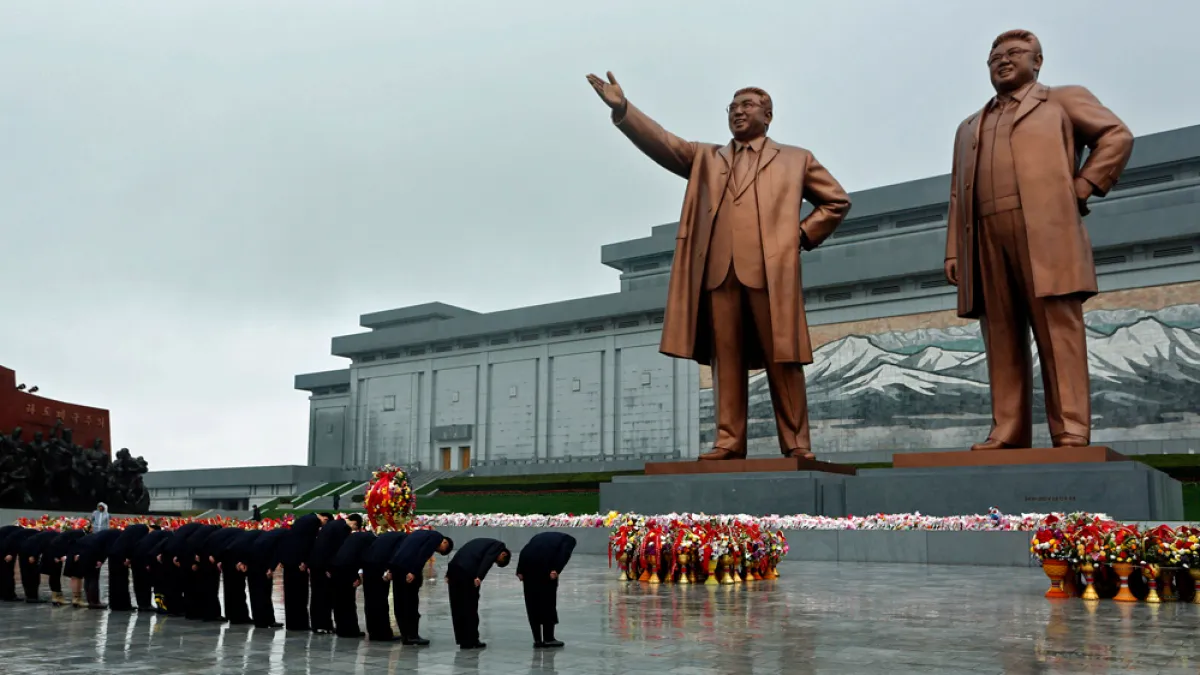 Born on April 15, 1912, Kim Il-sung rose to prominence during Korea’s struggle against Japanese colonial rule. Following Japan’s surrender at the end of the Second World War, Korea was divided into Soviet and American occupation zones. In 1948, Kim became the leader of the newly established Democratic People’s Republic of Korea (North Korea), beginning a political career that would shape the country’s institutions for decades.
During his rule, Kim introduced the ideology of Juche, commonly translated as “self-reliance.” The philosophy emphasized political independence, economic self-sufficiency, and a strong national defense. Over time, Juche became the foundation of North Korea’s political system and remains central to the country’s official ideology.
One of the defining events of Kim’s presidency was the Korean War, which began in 1950 and ended with an armistice in 1953. The conflict caused widespread destruction and millions of casualties while leaving the Korean Peninsula divided along the Demilitarized Zone. Although active fighting ended more than seventy years ago, no formal peace treaty has been signed, and the peninsula technically remains in a state of war.
Following the conflict, North Korea undertook an ambitious reconstruction program. During the 1950s and 1960s, the country expanded heavy industry, transportation infrastructure, education, and healthcare. These developments were supported in part by assistance from the Soviet Union and China during the Cold War.
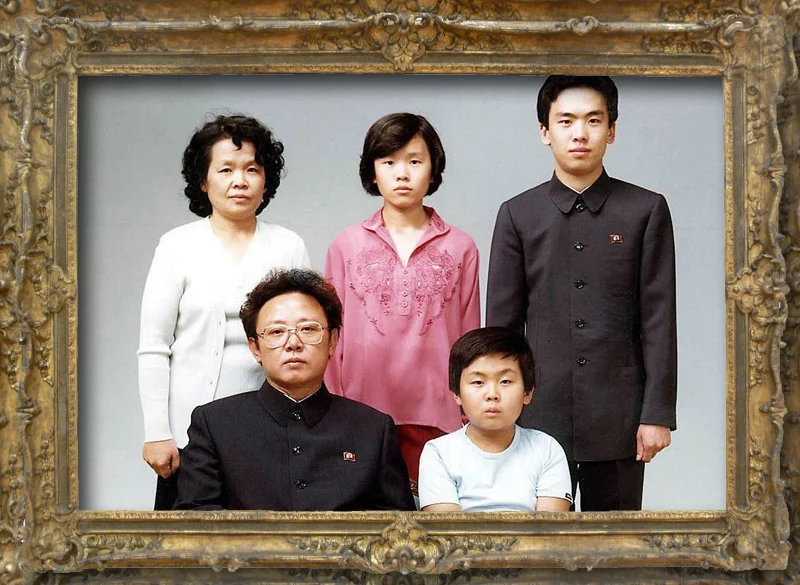 However, economic conditions became increasingly difficult in later decades. Centralized economic planning, declining foreign assistance, and the collapse of the Soviet Union created significant challenges for the country. By the early 1990s, North Korea faced mounting economic pressures that would worsen in the years following Kim Il-sung’s death.
Kim Il-sung’s leadership continues to generate contrasting historical assessments. Supporters have credited him with establishing an independent Korean state and promoting national sovereignty during a period of intense geopolitical rivalry. Critics, meanwhile, point to his authoritarian style of government, restrictions on political freedoms, the extensive personality cult surrounding his leadership, and long-standing human rights concerns documented by international organizations.
The transition of power following Kim’s death was watched closely around the world. Although his son, Kim Jong-il, had already assumed many important responsibilities within the government and the ruling Workers’ Party, the official succession represented one of the first hereditary transfers of leadership within a modern communist state. The transition proceeded without major public instability, and Kim Jong-il gradually consolidated his authority over the country’s political and military institutions.
In subsequent years, North Korea designated Kim Il-sung as the nation’s “Eternal President,” ensuring that no future leader would officially hold the title of President. His birthday, celebrated annually on April 15, remains one of the country’s most important national holidays, while statues, portraits, museums, and monuments dedicated to him continue to occupy a central place in North Korean public life.
International reactions to Kim’s death reflected both diplomatic caution and historical significance. Neighboring countries, including South Korea, China, Japan, and Russia, carefully observed the leadership transition, while the United States assessed its potential impact on ongoing discussions regarding North Korea’s nuclear program. Analysts at the time viewed the succession as a pivotal moment for regional security.
More than three decades later, historians continue to examine Kim Il-sung’s role in shaping North Korea and influencing the broader history of East Asia. His leadership encompassed the country’s founding, the Korean War, the establishment of a unique political ideology, and the development of institutions that continue to define North Korea today.
For many scholars, Kim Il-sung remains one of the twentieth century’s most consequential and debated political leaders. His supporters and critics continue to offer sharply different interpretations of his achievements and shortcomings, reflecting the complexity of his legacy.
The events of July 8, 1994, therefore, represent more than the death of a long-serving head of state. They marked a historic turning point that concluded the era of North Korea’s founding leader and began a new phase in the country’s political evolution. Decades later, the impact of that transition continues to influence North Korea’s domestic affairs, foreign policy, and place in global history.
The writer is Editor, Daily The Spokesman; Managing Editor, Daily Imroze; Founder President, Tourism Association of Pakistan; and Convener, FPCCI Standing Committee on Heritage & Hospitality.