



Agriculture has always been the backbone of Pakistan’s economy, providing livelihoods to millions, contributing significantly to the national GDP, and ensuring food security for a rapidly growing population. However, changing climatic conditions, water scarcity, declining productivity, fragmented landholdings, outdated farming practices, and increasing food demand require a comprehensive transformation of the agricultural sector.
The Green Pakistan Initiative (GPI) represents one of Pakistan’s most ambitious national development programmes, aiming to revitalize agriculture through scientific innovation, institutional coordination, private-sector investment, and sustainable resource management. It reflects a shared national commitment to transforming agriculture into a modern, competitive, climate-resilient, and knowledge-based sector capable of ensuring long-term food security and economic prosperity.
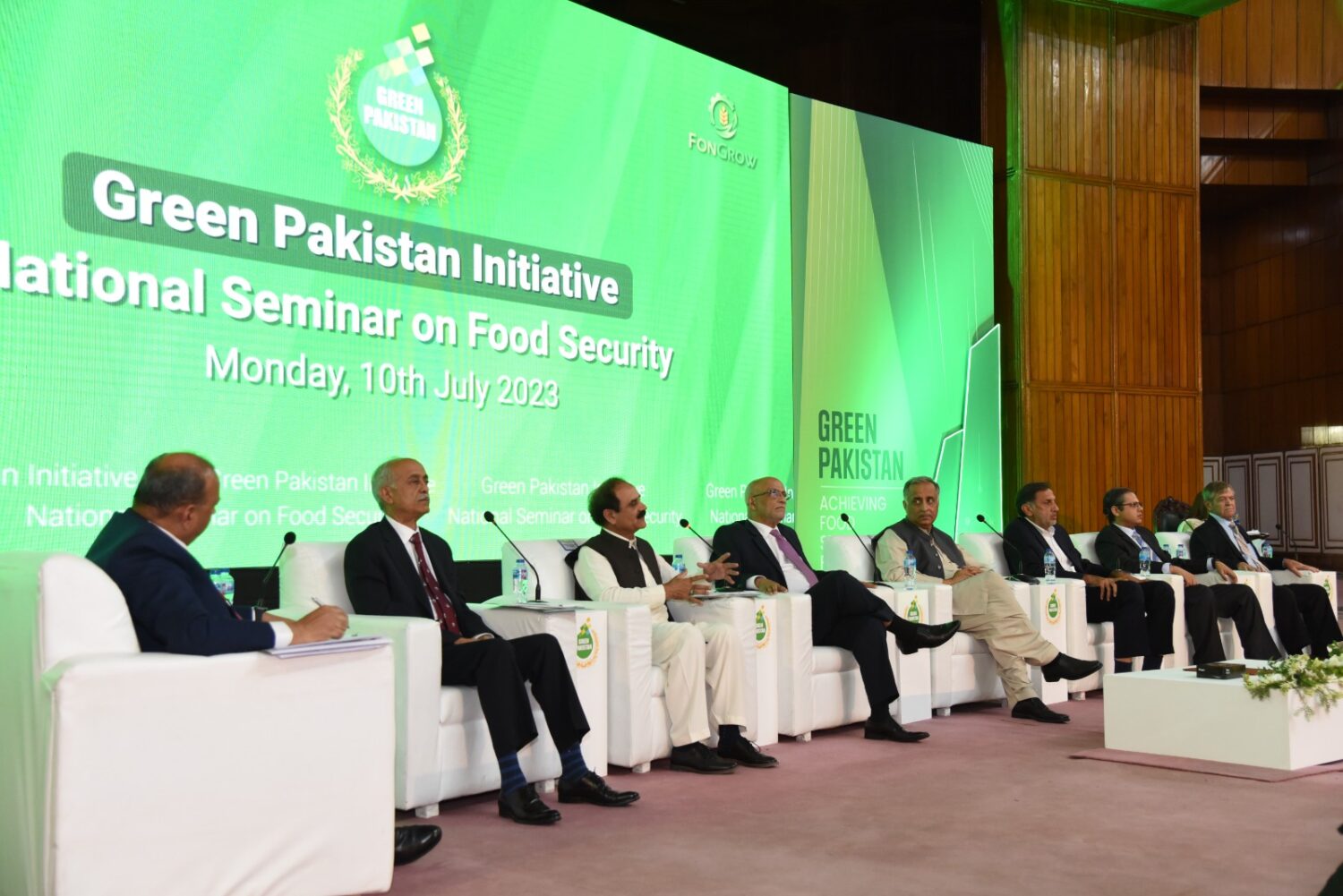
The National Seminar on Food Security, held on 10 July 2023 at the Convention Center, brought together policymakers, agricultural scientists, researchers, universities, development organizations, progressive farmers, agribusiness leaders, and representatives of federal and provincial institutions. The seminar emerged as a landmark platform that reinforced national consensus on agricultural transformation and highlighted the importance of science, innovation, and collaboration in shaping Pakistan’s agricultural future.
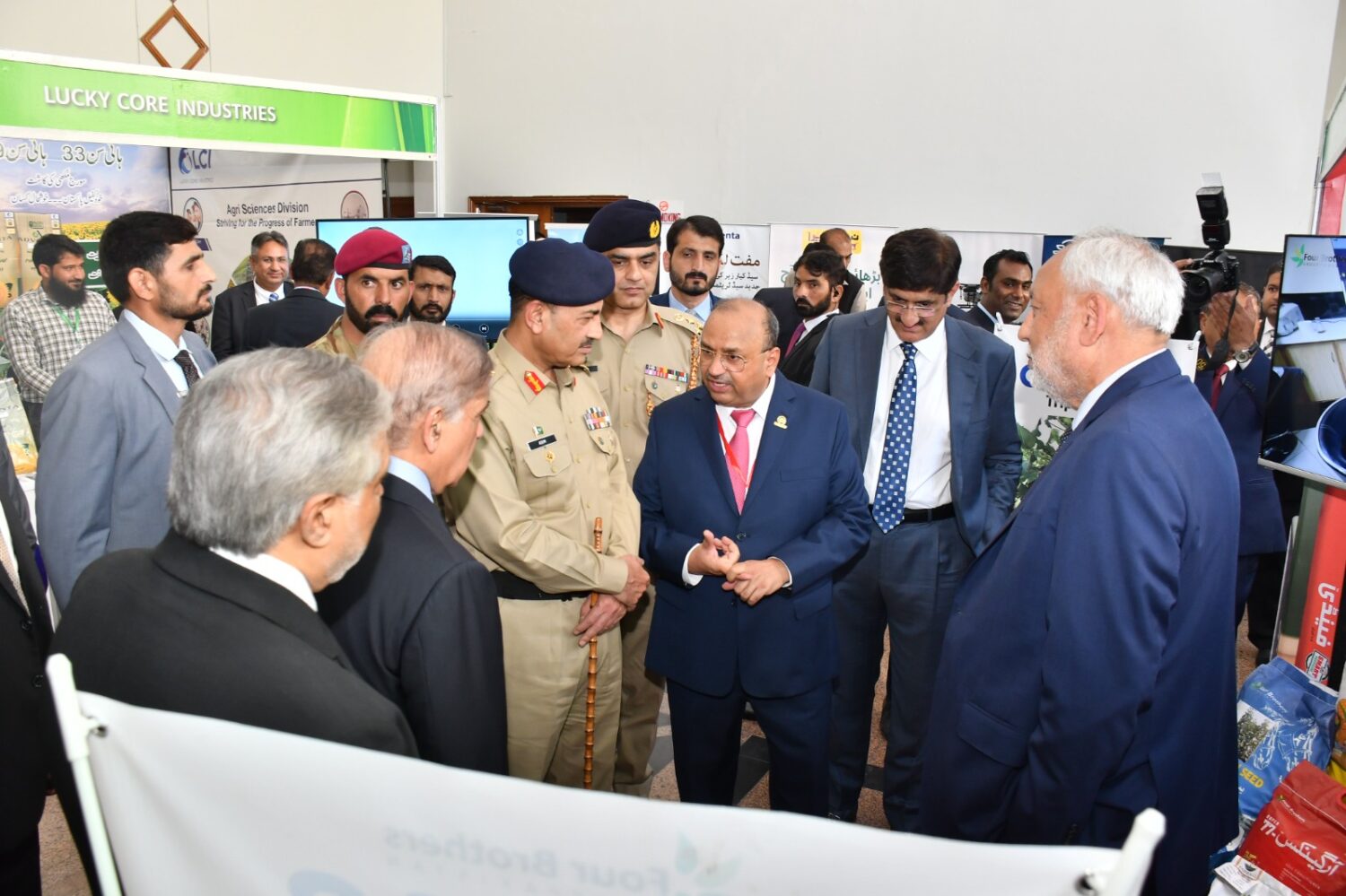 General Syed Asim Munir’s Vision: Agriculture as the Foundation of National Strength
General Syed Asim Munir presented a forward-looking vision in which agriculture is recognized not merely as an economic sector but as the foundation of Pakistan’s national security, economic stability, and sustainable development.
He emphasized that Pakistan possesses extraordinary natural advantages, including fertile agricultural land, one of the world’s largest irrigation systems, diverse climatic zones, abundant water resources, rich mineral wealth, and a dynamic farming community. These resources, if managed through modern science and technology, can transform Pakistan into a globally competitive agricultural economy.
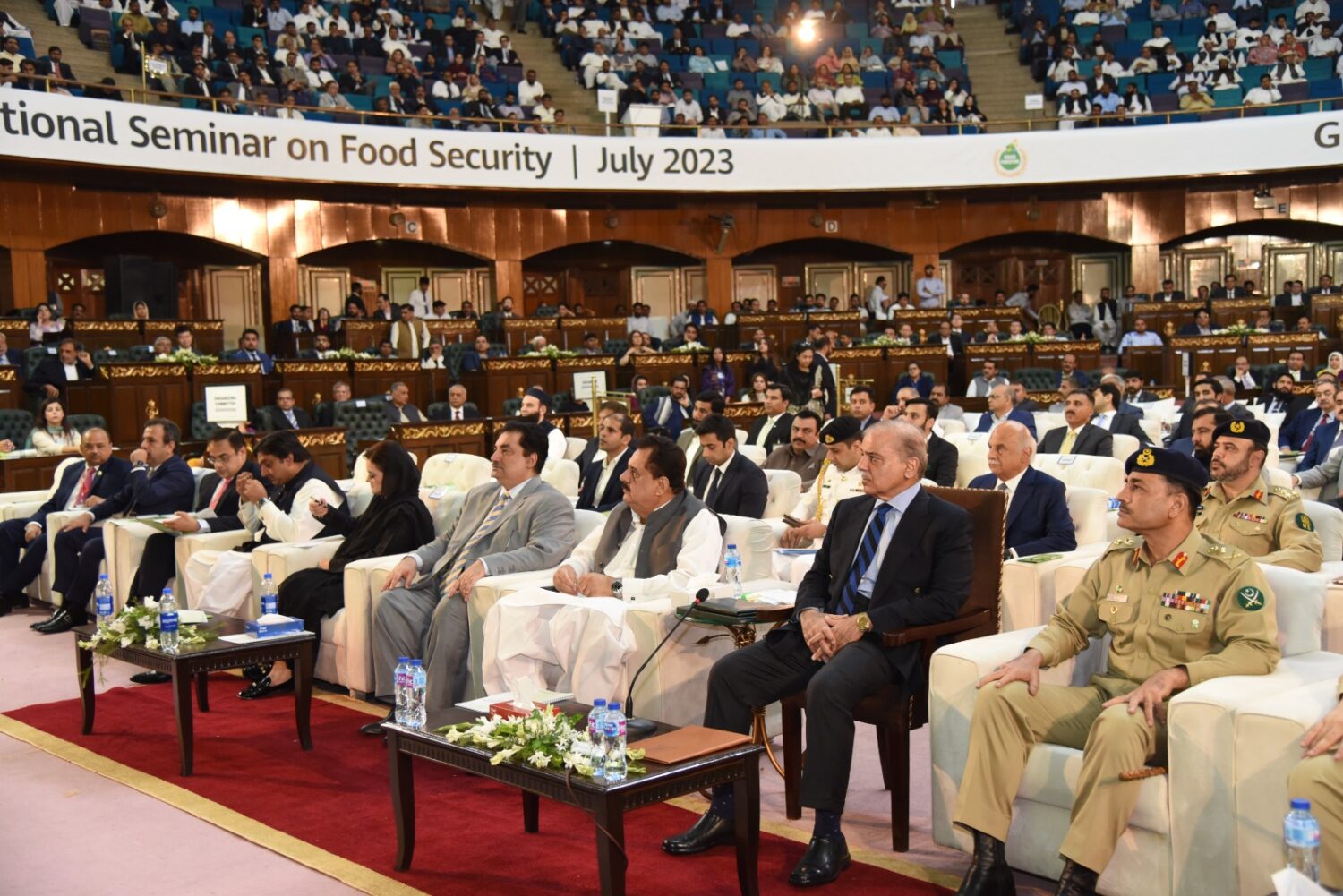 General Asim Munir stressed that future agricultural development must be driven by innovation, mechanization, digital technologies, precision agriculture, climate-smart farming, efficient water utilization, and modern value chains. He underscored the importance of translating research into practical field applications that directly benefit farmers and strengthen national food security.
He appreciated the pioneering role of the Fauji Foundation’s agricultural wing and FENGROW in promoting modern agriculture, supporting farming communities, and fostering collaboration among research institutions, universities, government departments, private industry, and progressive farmers. Such partnerships, he observed, are indispensable for achieving sustainable agricultural transformation.
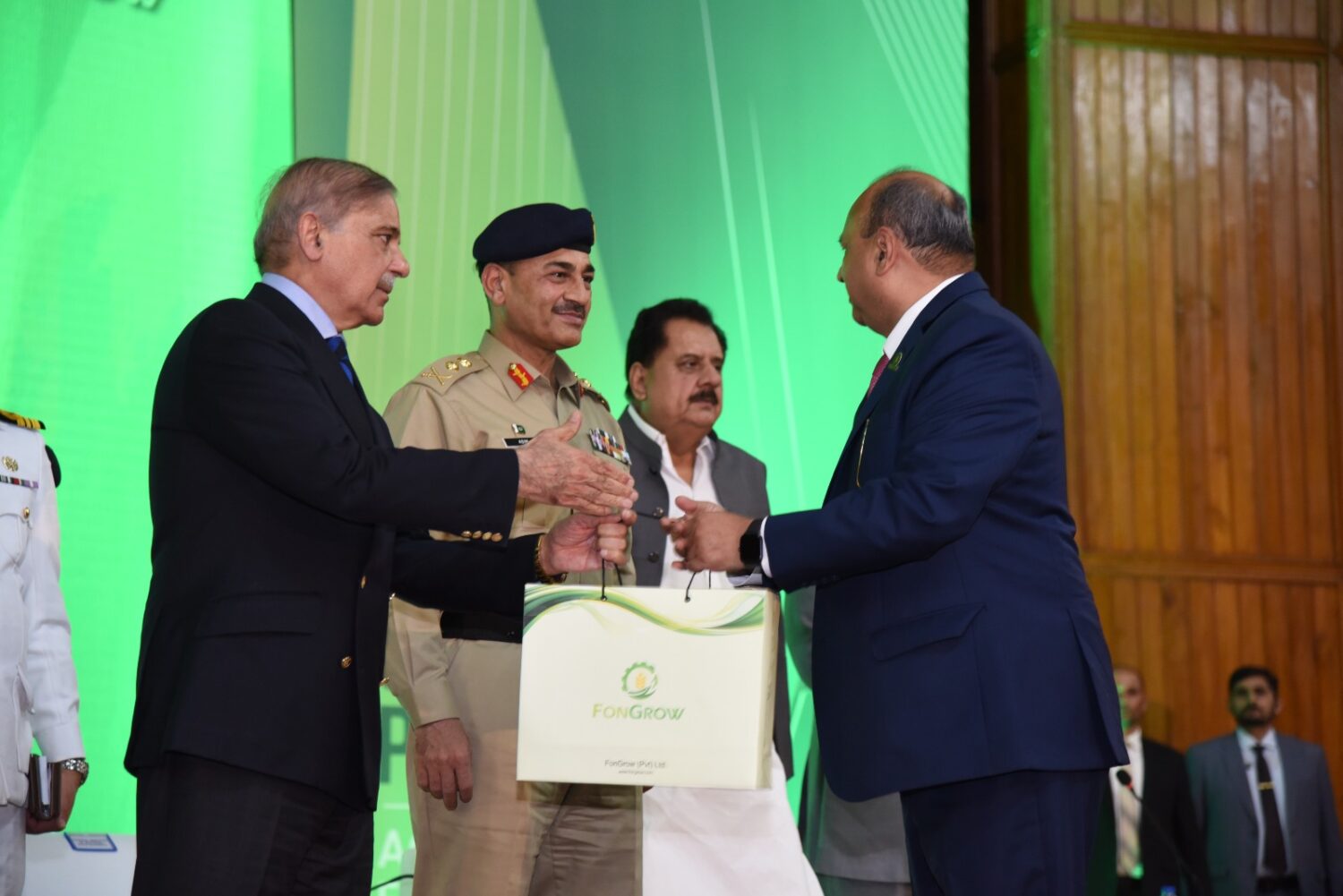 Prime Minister Muhammad Shahbaz Sharif’s Vision: Leading Pakistan’s Second Green Revolution
Prime Minister Muhammad Shahbaz Sharif has consistently positioned agriculture at the very centre of Pakistan’s economic recovery and long-term national development strategy. As the chief guest at the launch of the Green Pakistan Initiative and at the subsequent National Seminar on Food Security, the Prime Minister described the programme as nothing less than Pakistan’s second Green Revolution, one capable of paving the way for lasting prosperity and progress across the country.
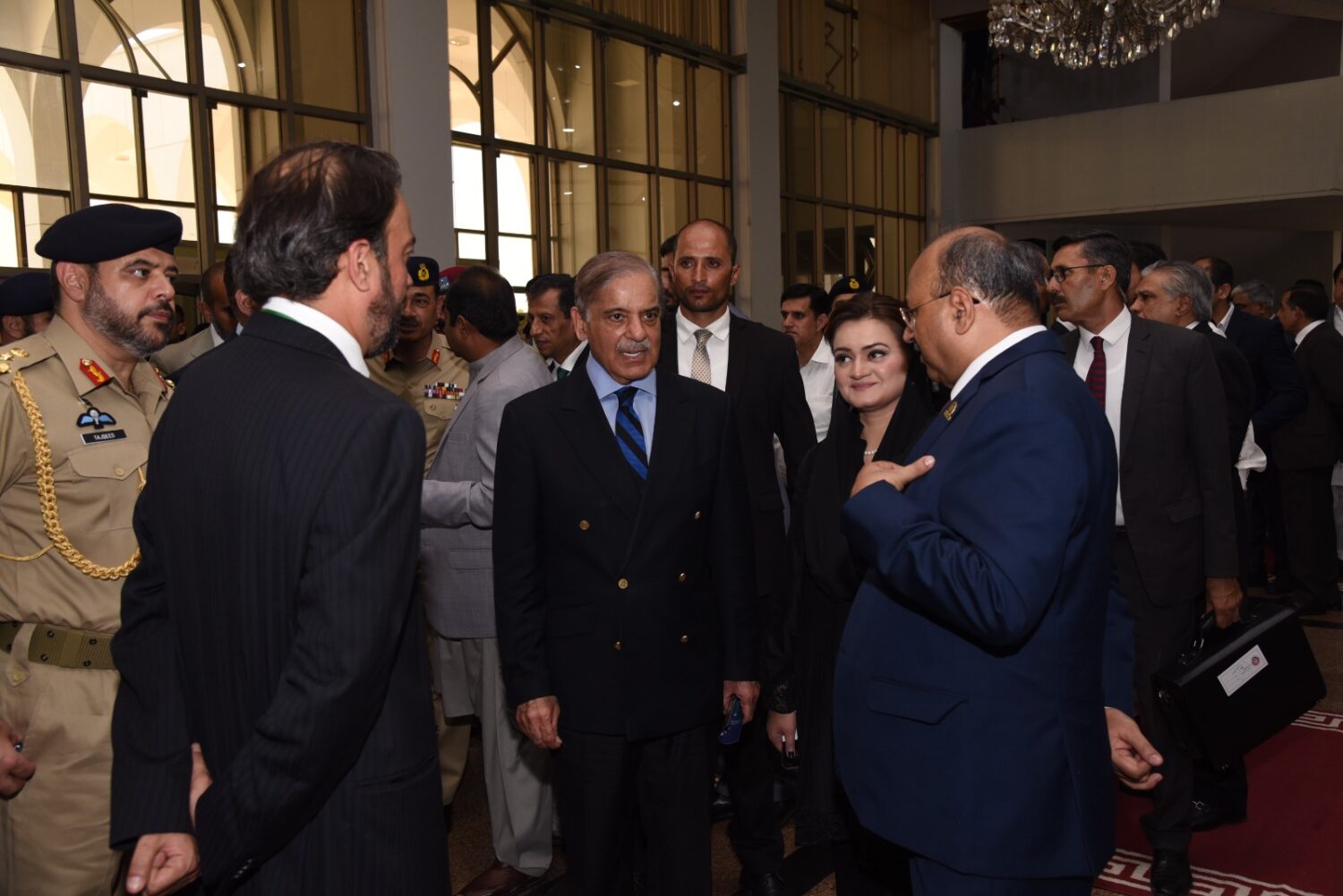 The Prime Minister has repeatedly underlined that Pakistan’s farmers, who work tirelessly to feed millions of citizens, deserve modern resources, fair returns, and reliable institutional support. Under his government’s economic reform agenda, agriculture has been placed at the heart of the Special Investment Facilitation Council (SIFC), with an anticipated investment of thirty to fifty billion dollars envisioned over the coming years to modernize irrigation, mechanization, seed systems, and agro-processing capacity nationwide.
PM Shahbaz Sharif’s vision for agricultural transformation rests on several interconnected pillars: attracting foreign and domestic investment into corporate and smallholder farming alike; strengthening research institutions such as the Pakistan Agricultural Research Council through closer collaboration with globally recognized bodies; expanding climate-resilient and water-efficient cultivation practices; and building international partnerships with Gulf states, China, and other partners to transfer technology, expertise, and capital into Pakistan’s fields.
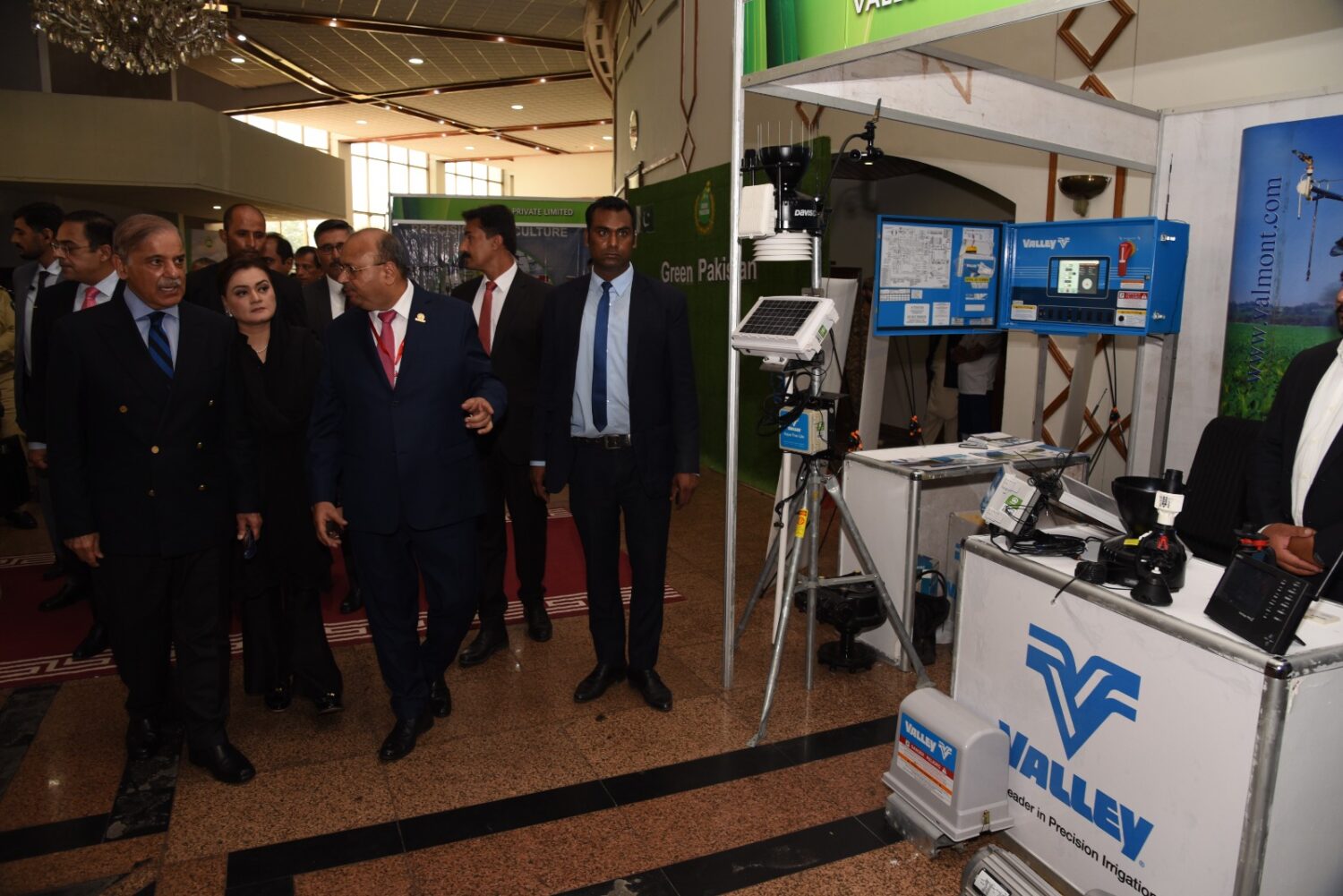 He has directed federal ministries to develop clear, time-bound roadmaps for institutional restructuring, aligning national agricultural research with export competitiveness and food security targets. His approach reflects a conviction that innovation, entrepreneurship, and public-private collaboration, rather than incremental reform alone, are what will ultimately secure Pakistan’s agricultural future. Under his leadership, the Green Pakistan Initiative has been framed not simply as a farming programme but as a comprehensive national transformation effort linking land development, water governance, rural employment, and export growth into a single strategic vision for a self-reliant and prosperous Pakistan.
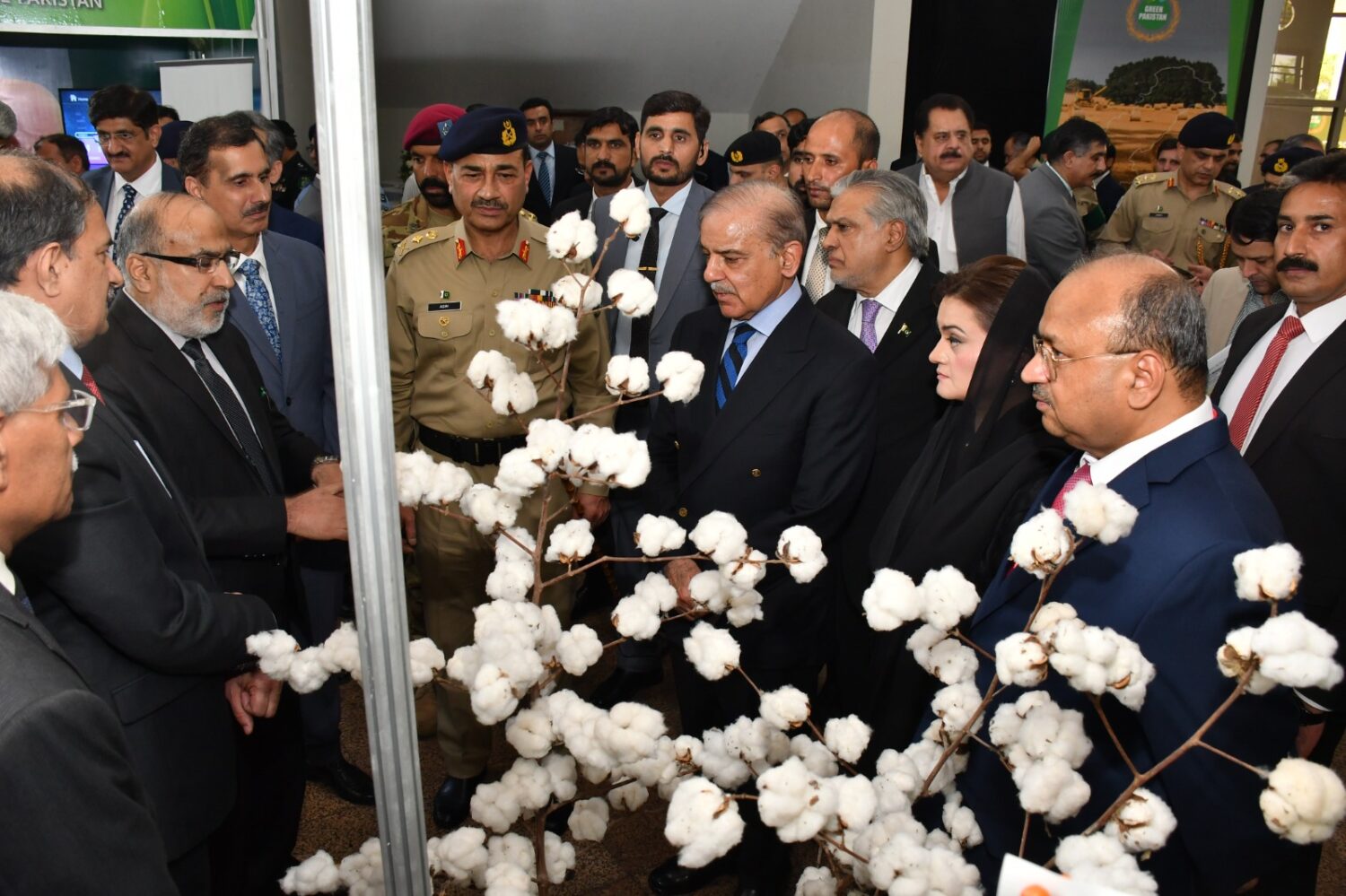 National Seminar Outcomes: A Roadmap for Agricultural Transformation
The seminar produced a comprehensive roadmap for strengthening Pakistan’s agricultural sector through coordinated institutional action. Major outcomes included:
- Promotion of precision agriculture and digital advisory systems.
- Expansion of climate-smart and resource-efficient farming technologies.
- Modernization through mechanization and advanced farm machinery.
- Strengthening certified seed production and implementation of the National Seed Policy.
- Improved irrigation efficiency and integrated water resource management.
- Development of livestock and dairy sectors as engines of rural prosperity.
- Expansion of value addition, agro-processing, and agricultural exports.
- Stronger collaboration among universities, research organizations, industry, and policymakers.
- Promotion of entrepreneurship, innovation, and commercialization of agricultural technologies.
- Increased investment under the Special Investment Facilitation Council (SIFC).
The seminar reaffirmed Pakistan’s commitment to achieving food self-sufficiency, improving rural livelihoods, attracting investment, generating employment, reducing poverty, and positioning agriculture as a major driver of national economic growth.
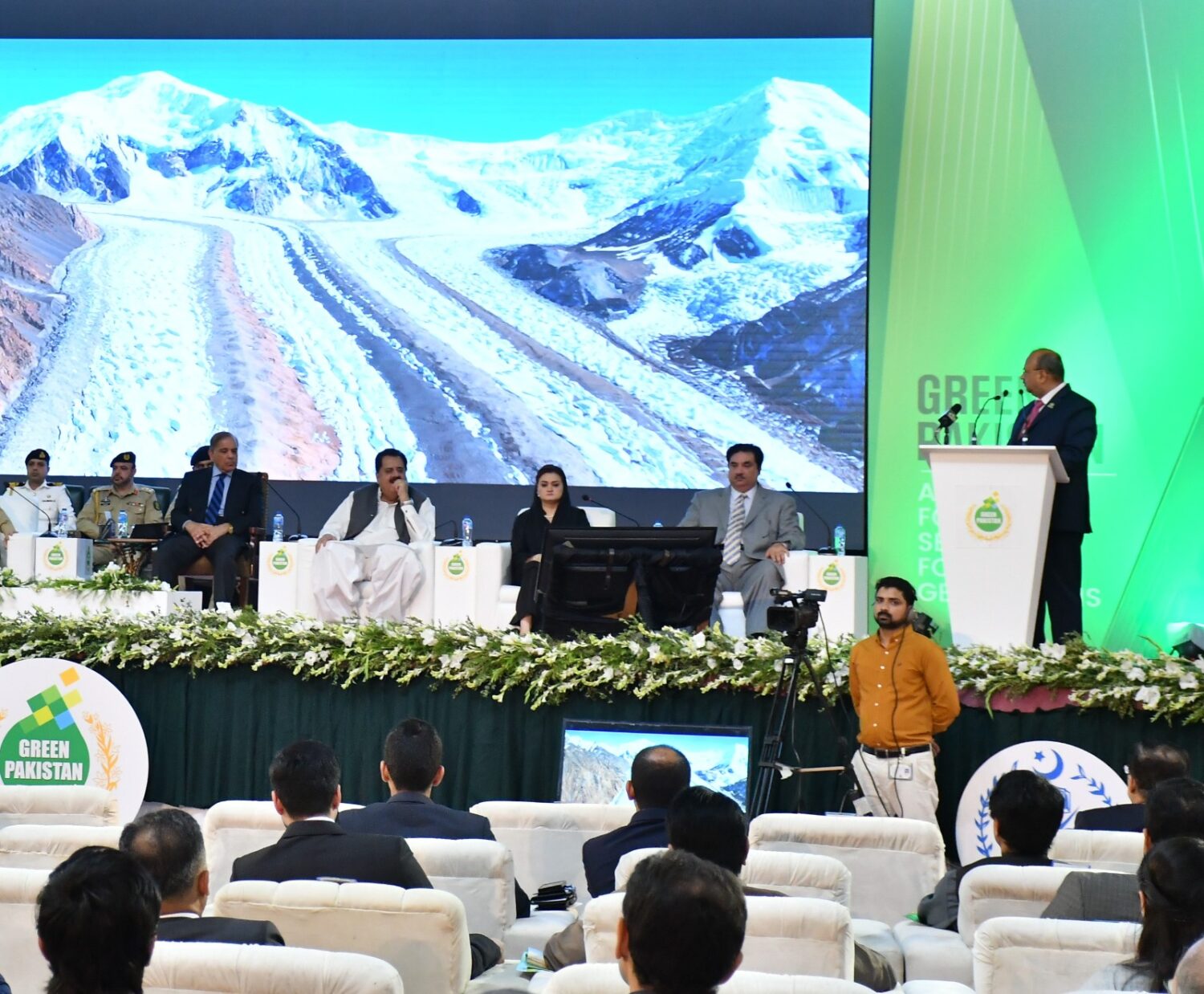 Dr. Iqrar Ahmad Khan: Architect of Agricultural Innovation
Among Pakistan’s distinguished agricultural leaders, Dr. Iqrar Ahmad Khan has consistently advocated for a science-driven transformation of agriculture. Through his scholarly writings, public lectures, and contributions to national policy discussions, he has emphasized that Pakistan’s agricultural future depends upon innovation, research excellence, technology transfer, and institutional collaboration.
Dr. Khan had the opportunity to brief General Syed Asim Munir on Pakistan’s agricultural potential and outlined the strategic role that the University of Agriculture Faisalabad (UAF) can play in strengthening national food security through research, innovation, and capacity building.
During his tenure as Vice Chancellor of UAF, Dr. Khan transformed the university into one of South Asia’s leading centres of agricultural excellence. His leadership promoted precision agriculture, biotechnology, climate-smart farming, digital agriculture, mechanization, and efficient resource management. More importantly, he championed the transformation of knowledge into goods and services through commercialization of research, university-industry partnerships, entrepreneurship, and technology transfer.
He strongly believes that universities must become engines of innovation that directly improve farmers’ livelihoods while contributing to national development. According to Dr. Khan, the Green Pakistan Initiative offers a historic opportunity to integrate scientific research with national policymaking, ensuring sustainable agricultural development, food security, higher productivity, export competitiveness, and rural prosperity.
 Learning from Global Agricultural Success
Successful agricultural revolutions across the world demonstrate that sustained investment in science, education, research, and innovation produces lasting national prosperity.
The Green Revolution transformed South Asia through improved seed varieties, irrigation, fertilizers, and extension services. China modernized agriculture by integrating research institutions with farmers and investing heavily in rural infrastructure. The Netherlands became one of the world’s largest agricultural exporters through precision farming, greenhouse technologies, efficient water management, and strong university-industry partnerships.
Similarly, Brazil transformed previously unproductive land into one of the world’s largest agricultural production systems through scientific research and innovation, showing how targeted investment in soil science and crop breeding can unlock vast new productive capacity.
These international experiences clearly show that sustainable agricultural transformation depends upon long-term political commitment, modern technology, institutional coordination, and continuous investment in agricultural research—principles that lie at the heart of Pakistan’s Green Pakistan Initiative.
Agri Malls: Bringing Innovation to Farmers
One of the most practical achievements emerging from the Green Pakistan Initiative is the establishment of modern Agri Malls, beginning with Bahawalpur.
These integrated one-window service centres provide certified seed, fertilizers, pesticides, soil and water testing, mechanization services, financial advisory, digital agriculture, crop protection, and expert technical guidance under one roof.
The Agri Mall concept significantly reduces farmers’ transaction costs while improving access to quality agricultural inputs. It also minimizes counterfeit products, strengthens extension services, accelerates technology transfer, and ensures that scientific innovations developed by research institutions reach farming communities efficiently.
The model has the potential to revolutionize agricultural service delivery across Pakistan.
Universities as Engines of National Development
Agricultural universities remain central to Pakistan’s agricultural modernization.
The University of Agriculture Faisalabad, a world-recognized university in agriculture and forestry, continues to lead national efforts in agricultural research, innovation, human resource development, and technology transfer. Building upon the remarkable legacy established by Dr. Iqrar Ahmad Khan, the university is continuing its mission under the leadership of Prof. Dr. Zulfiqar Ali, whose emphasis on quality seed systems, climate-resilient agriculture, applied research, and university-industry collaboration is further strengthening UAF’s contribution to the objectives of the Green Pakistan Initiative.
Universities must continue generating scientific knowledge while ensuring that innovations are translated into practical technologies that improve productivity, conserve natural resources, and enhance farmers’ incomes.
Challenges and the Way Forward
Despite its enormous promise, the Green Pakistan Initiative must address critical challenges, including efficient water governance, climate change, protection of smallholder farmers, sustainable land management, and stronger coordination among federal and provincial institutions.
Transparent policymaking, inclusive stakeholder participation, environmental sustainability, and equitable access to modern technologies will be essential for ensuring the Initiative’s long-term success.
Pakistan’s agricultural transformation must remain farmer-centric, science-based, environmentally responsible, and economically inclusive.
Conclusion
The Green Pakistan Initiative represents one of Pakistan’s most significant national development programmes of the twenty-first century. More than an agricultural project, it is a comprehensive strategy for strengthening national food security, promoting rural development, generating employment, enhancing exports, and ensuring sustainable economic growth.
General Syed Asim Munir has articulated a compelling national vision that places agriculture at the centre of Pakistan’s future prosperity. His emphasis on innovation, institutional collaboration, scientific agriculture, and sustainable resource management provides a strategic roadmap for transforming Pakistan into a globally competitive agricultural nation.
Prime Minister Muhammad Shahbaz Sharif has reinforced this national resolve by championing large-scale investment, institutional reform, and international partnership as the pillars of a modern, export-oriented agricultural economy, framing the Initiative as Pakistan’s second Green Revolution.
Complementing this vision, Dr. Iqrar Ahmad Khan has demonstrated through decades of academic leadership and scientific excellence that research, education, innovation, and technology transfer are indispensable pillars of agricultural transformation. His contributions have strengthened the bridge between scientific knowledge and practical farming solutions, making him one of the foremost architects of Pakistan’s modern agricultural development.
Supported by progressive institutions such as the University of Agriculture Faisalabad, visionary leadership, committed policymakers, dedicated researchers, and an empowered farming community, Pakistan possesses every ingredient required to realize the aspirations of the Green Pakistan Initiative.
If implemented with continuity, transparency, scientific rigor, and national consensus, the Green Pakistan Initiative can become Pakistan’s second Green Revolution—one that not only increases agricultural productivity but also secures food sovereignty, environmental sustainability, rural prosperity, and a resilient future for generations to come.
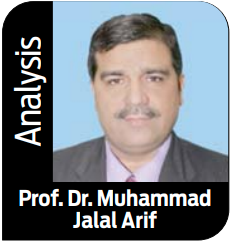
About the Author:Prof. Dr. Muhammad Jalal Arif,Former Professor & Chairman, Department of Entomology,University of Agriculture Faisalabad (UAF),Agricultural Scientist | Researcher | Science Communicator | International Agricultural Affairs Analyst,Advocate of Sustainable Agriculture, Climate-Smart Farming, Agricultural Innovation, Food Security, Knowledge Transfer, and Rural Development in Pakistan.