


Cancer has emerged as one of the greatest public health challenges of the twenty-first century. The rising incidence of breast, lung, colorectal, prostate, head and neck, gastrointestinal and gynecological cancers has increased the demand for comprehensive oncology services equipped with modern diagnostics, advanced radiotherapy, systemic therapies and multidisciplinary patient care. Pakistan has made significant progress in this field, and the Pakistan Army Medical Corps has contributed meaningfully to strengthening national oncology services through the development of specialized cancer centres, modern infrastructure, highly trained professionals and evidence-based clinical practice.
Two institutions in particular illustrate the scale of this contribution: Combined Military Hospital (CMH) Lahore, which has built a comprehensive solid-tumour oncology programme integrating precision radiotherapy with multidisciplinary care, and the Armed Forces Bone Marrow Transplant Centre (AFBMTC), Rawalpindi — one of the country’s largest and most experienced haematopoietic stem cell transplant units, led by Professor Tariq Ghafoor and his team. Together, these institutions represent complementary pillars of military-led oncology care in Pakistan: solid-tumour management on one hand, and blood and marrow malignancies on the other.
A Legacy of Service: CMH Lahore’s History
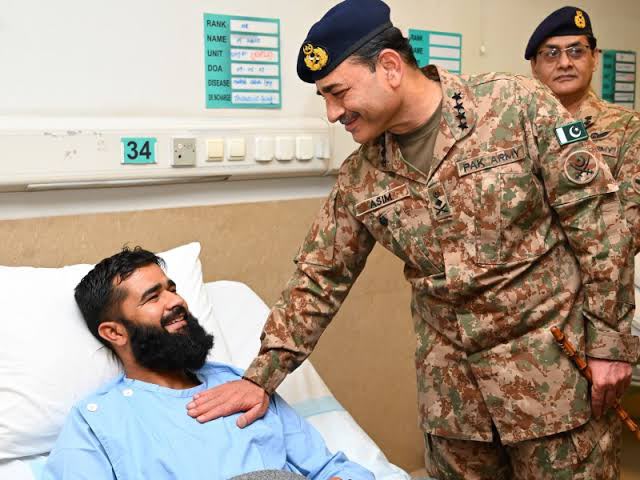
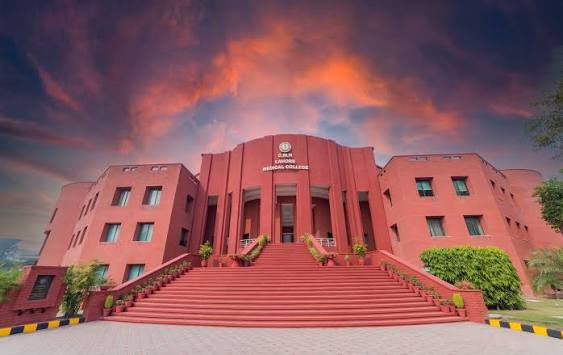
CMH Lahore’s role as a leading centre for cancer care rests on a long institutional history. The hospital traces its origins to 1854, when it was established as a British Military Hospital to treat troops serving in the subcontinent. Following Pakistan’s independence in 1947, it passed to the Pakistan Army and began as a 200-bed facility. Successive expansions — to 800 beds in 1982 and 1,000 beds in 2004 — transformed it into a Class A, Level-5 tertiary care teaching hospital, today serving military personnel, their families and the wider civilian population of Lahore. The addition of new blocks in recent years, including its Oncology Department, reflects the hospital’s continuing evolution from a modest regimental infirmary into one of Pakistan’s foremost multidisciplinary teaching hospitals, affiliated with CMH Lahore Medical College and Institute of Dentistry.
Visionary Leadership: Major General Muhammad Farid, Commandant CMH Lahore
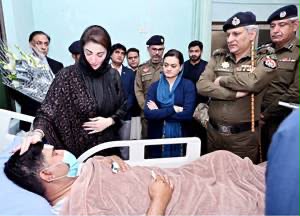
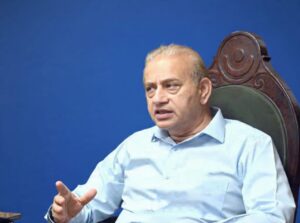 This long institutional history has been carried forward under the dynamic leadership of Major General Muhammad Farid, Commandant of CMH Lahore, who continues to strengthen the hospital’s reputation as one of Pakistan’s leading tertiary-care institutions. His visionary approach, exceptional administrative abilities, and unwavering commitment to excellence have fostered a culture of professionalism, discipline, and patient-centred healthcare across the hospital.
Major General Farid inspires doctors, nurses, paramedics, and administrative staff to uphold the highest standards of medical ethics, dedication, and teamwork. Guided by the traditions of the Pakistan Army, he has reinforced strict adherence to discipline, transparency, and accountability while encouraging innovation and continuous quality improvement across the hospital.
The departments of cardiology, cardiac surgery, medicine, oncology, surgery, emergency medicine, radiology, intensive care, and numerous other specialised units function with remarkable coordination under his leadership. His emphasis on multidisciplinary collaboration has contributed significantly to improved patient care and operational efficiency — a coordination that underpins the oncology programme detailed in the sections that follow.
CMH Lahore serves both military personnel and civilians with equal compassion and professionalism. Through his administrative vision, the hospital has continued to expand access to advanced diagnostic and therapeutic services while maintaining international standards of healthcare delivery. Major General Muhammad Farid exemplifies dedicated public service, demonstrating how visionary leadership, military discipline, and human compassion can combine to create a model institution that benefits the nation and strengthens public confidence in Pakistan’s healthcare system.
Comprehensive Solid Tumour Care at CMH Lahore
Combined Military Hospital (CMH) Lahore has developed into an important centre providing comprehensive oncology services for patients with solid tumours. Its multidisciplinary approach integrates clinical oncology, diagnostic imaging, pathology, surgery, radiation oncology and supportive care to deliver individualized treatment based on internationally accepted clinical principles.
Modern cancer management extends far beyond conventional chemotherapy. Contemporary oncology relies upon accurate diagnosis, precise staging and personalized treatment planning. Advanced imaging, histopathology, molecular pathology and multidisciplinary tumour board discussions enable clinicians to formulate treatment strategies tailored to the biological characteristics and stage of each patient’s disease.
The Department of Oncology at CMH Lahore reflects this comprehensive approach by combining systemic therapies with sophisticated radiation techniques and coordinated multidisciplinary care. Patients benefit from individualized management plans developed through collaboration among oncologists, radiologists, pathologists, surgeons and allied healthcare professionals.
A notable strength of CMH Lahore is its emphasis on precision radiation oncology. Contemporary radiotherapy has transformed cancer treatment by delivering high radiation doses accurately to tumour tissues while minimizing exposure to surrounding healthy organs. Technologies such as Intensity-Modulated Radiotherapy (IMRT), Image-Guided Radiotherapy (IGRT), Stereotactic Radiosurgery (SRS), Stereotactic Body Radiotherapy (SBRT) and Brachytherapy have expanded treatment options for patients with complex solid tumours and have improved tumour control while reducing treatment-related complications.
Dr. Zeeshan Ahmed Alvi: Head of Oncology, CMH Lahore — Precision Radiotherapy and Compassionate Leadership
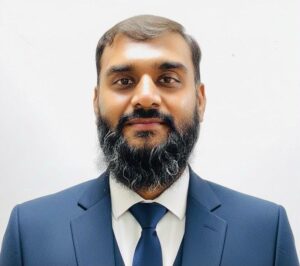 Within this framework, Dr. Zeeshan Ahmed Alvi, Head of the Oncology Department at CMH Lahore, has contributed to the advancement of comprehensive clinical oncology services with a defined focus on the management of solid tumours, distinct from haematological malignancies. His clinical practice encompasses evidence-based treatment planning through chemotherapy, immunotherapy, targeted therapy, hormonal therapy and advanced radiotherapy, with particular emphasis on individualized, tumour-specific care for cancers such as breast, lung, head and neck, gastrointestinal and gynecological malignancies.
A defining feature of Dr. Alvi’s clinical approach is his engagement with cutting-edge radiotherapy technology for complex oncological cases. His practice incorporates Stereotactic Radiosurgery (SRS), used to deliver precisely focused, high-dose radiation to well-defined targets — including selected intracranial and extracranial lesions — in a manner that spares surrounding healthy tissue. He also draws on Brachytherapy, in which sealed radioactive sources are placed within or adjacent to the tumour itself, allowing a concentrated radiation dose to be delivered directly to malignant tissue while limiting exposure to nearby organs. Together with Stereotactic Body Radiotherapy (SBRT) and Image-Guided Radiotherapy (IGRT), these techniques allow complex, anatomically challenging solid tumours to be managed with a level of precision that was not achievable with conventional radiotherapy alone.
As Head of the Oncology Department, Dr. Alvi is equally recognized for his leadership qualities and the example he sets for younger colleagues. He inspires the oncology team through unprecedented innovation, transformational thinking and performance-based management, encouraging a culture in which clinical excellence is continuously measured and improved. His leadership extends beyond administration: he is known for being genuinely patient-friendly, taking the time to understand each patient’s concerns and limitations, and working to resolve their issues in a manner that is both practical and compassionate.
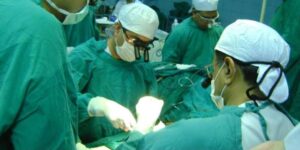 Dr. Alvi has also demonstrated a strong commitment to serving underprivileged and often-overlooked communities, ensuring that advanced cancer care is not limited by a patient’s social or economic circumstances. At the outdoor clinic, wards and chemotherapy/immunotherapy hall under his supervision, he maintains rigorous discipline, strict adherence to standard operating procedures, and unwavering commitment to medical ethics. This same standard of discipline and compassion extends to how he mentors and motivates the paramedical staff, fostering a well-coordinated team that supports patients through every stage of their treatment journey.
The multidisciplinary evaluation of patients allows treatment decisions to incorporate clinical findings, imaging, pathology and current international oncology guidelines, ensuring that each patient’s regimen — whether centred on systemic therapy, precision radiotherapy, or a combination of both — is matched to the specific biology and stage of their disease.
Radiation Oncology and Multidisciplinary Collaboration
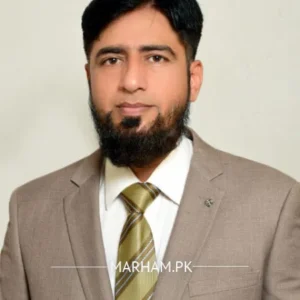 Equally important is the contribution of Dr. Muhammad Sohaib Nadeem, whose expertise in clinical oncology and advanced radiation techniques complements comprehensive cancer management. His professional training includes advanced qualifications in radiation oncology, and his work reflects the integration of modern radiotherapy technologies with multidisciplinary clinical decision-making. Research contributions in radiation oncology further underscore the importance of continuous academic development alongside patient care.
Radiology remains another indispensable pillar of modern oncology. High-quality diagnostic imaging is essential for early cancer detection, precise staging, treatment planning, response assessment and long-term surveillance. Accurate interpretation of CT, MRI and PET/CT imaging enables clinicians to determine tumour extent, evaluate therapeutic response and detect disease recurrence at an early stage, thereby improving overall patient management.
The success of contemporary oncology is increasingly dependent upon multidisciplinary collaboration. Tumour boards involving clinical oncologists, radiation oncologists, surgeons, radiologists, pathologists and other specialists have become the international standard for managing complex cancers. Such collaborative decision-making ensures that every patient benefits from comprehensive evaluation and consensus-based treatment planning.
The Armed Forces Bone Marrow Transplant Centre, Rawalpindi
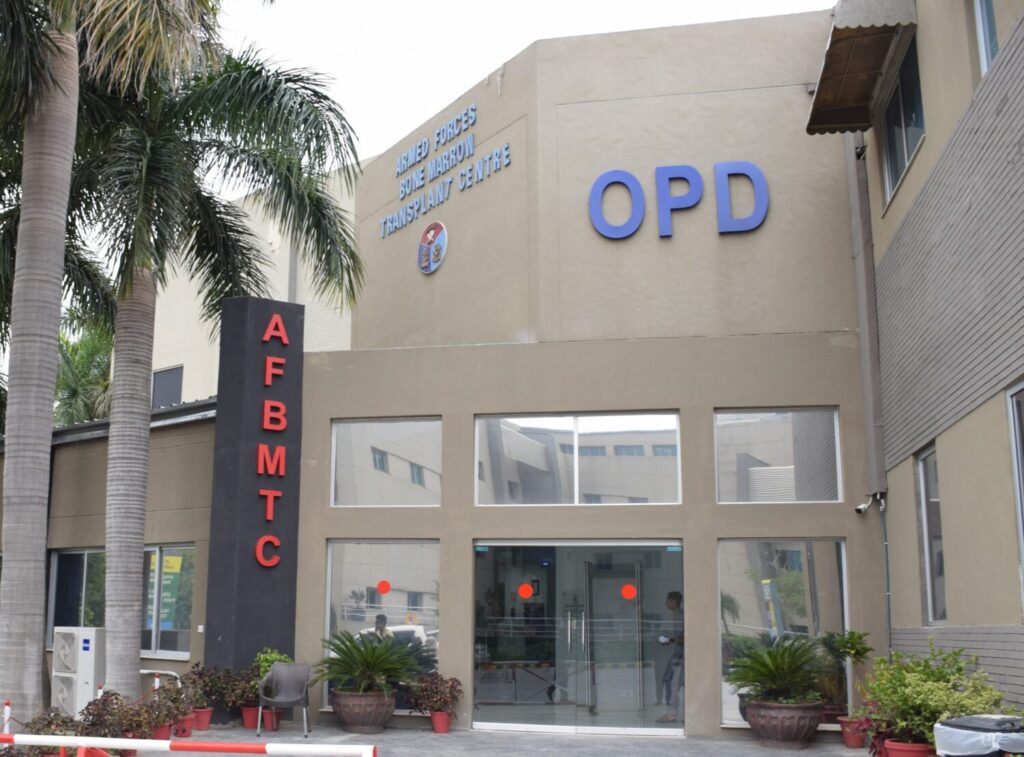 While CMH Lahore has built its reputation around solid-tumour oncology, blood cancers and marrow failure disorders are treated through haematopoietic stem cell transplantation (HSCT) at the Armed Forces Bone Marrow Transplant Centre (AFBMTC), also known as the National Institute of Blood and Marrow Transplant. AFBMTC is a dedicated Armed Forces institution located in Rawalpindi, distinct from CMH Rawalpindi, and it is this centre’s work in blood cancer treatment and transplantation that has drawn national recognition.
The centre is led by Professor Tariq Ghafoor, a paediatric haematologist, oncologist and stem cell transplant physician who serves as Commandant and Medical Director of AFBMTC. He is also a professor of paediatrics at Army Medical College, Rawalpindi, and president of the Pakistan Society of Paediatric Oncology. Professor Ghafoor trained in paediatric haematology, oncology and stem cell transplantation in the United Kingdom, and holds fellowships including FCPS, FRCP (Ireland) and FRCP (Glasgow).
Under his leadership, AFBMTC has grown into one of the largest and most experienced paediatric transplant units in Pakistan, with a track record spanning more than five hundred transplants and treatment of thousands of children with malignant and non-malignant blood disorders. The centre’s clinical scope covers acute and chronic leukaemias, lymphomas, thalassaemia major, aplastic anaemia and other bone marrow failure syndromes, Fanconi anaemia, primary immunodeficiencies and haemophagocytic lymphohistiocytosis, using both matched-related and haploidentical donor transplant protocols.
Global Experience and Academic Contribution
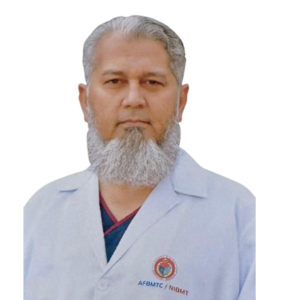 A distinguishing feature of the AFBMTC programme under Professor Tariq Ghafoor and his team is its consistent engagement with international clinical protocols and its contribution to the global evidence base for transplant medicine in resource-limited settings. The centre has published outcome data on haploidentical and fully HLA-matched transplantation, novel conditioning regimens for aplastic anaemia, transplant outcomes in Fanconi anaemia, and management of complications such as cytomegalovirus reactivation and hepatic veno-occlusive disease following HSCT.
This body of work situates AFBMTC’s experience within international transplant literature, allowing outcomes achieved in Pakistan to be compared against those reported by leading global transplant centres. The unit is also a recognised training site for the FCPS Clinical Haematology programme of the College of Physicians and Surgeons Pakistan, reflecting its role not only in direct patient care but in building the next generation of transplant physicians and clinical haematologists for the country.
The combined experience of Professor Ghafoor’s team — spanning malignant and non-malignant paediatric disorders, complex donor-matching scenarios and long-term post-transplant care — represents a significant national resource. Families who previously had to seek stem cell transplantation abroad now have access to comparable expertise within Pakistan, at a facility that stands alongside CMH Lahore’s solid-tumour programme within the wider network of the Pakistan Army Medical Corps.
Two Complementary Pillars of Military Oncology
Viewed together, CMH Lahore and AFBMTC Rawalpindi illustrate the breadth of the Pakistan Army Medical Corps’ investment in cancer care. CMH Lahore, through clinicians such as Dr. Zeeshan Ahmed Alvi and Dr. Muhammad Sohaib Nadeem, has built a solid-tumour programme anchored in precision radiotherapy — including SRS, SBRT and brachytherapy — combined with modern systemic therapy and multidisciplinary tumour boards. AFBMTC, under the leadership of Professor Tariq Ghafoor, has built a haematological malignancy and bone marrow transplant programme with outcomes and research output that carry genuine international relevance.
Beyond clinical services, both institutions contribute to postgraduate medical education, specialist training, continuing professional development and clinical research. The integration of education, research and patient care strengthens national capacity in oncology and helps prepare future generations of cancer specialists — whether in solid-tumour radiotherapy or in transplant haematology.
The Road Ahead
Cancer care continues to evolve through innovations including precision medicine, molecular diagnostics, immunotherapy, targeted therapies, artificial intelligence-assisted imaging and adaptive radiotherapy, alongside advances in transplant conditioning regimens and graft-versus-host disease management. These advances are reshaping oncology and transplant medicine alike by enabling increasingly personalized treatment strategies designed to improve survival while preserving quality of life.
The Pakistan Army Medical Corps has played an important role in strengthening specialized medical services in Pakistan, from precision radiotherapy for solid tumours at CMH Lahore to bone marrow transplantation for blood cancers and marrow failure at AFBMTC, Rawalpindi. Continued investment in modern technology, highly qualified professionals, research and multidisciplinary collaboration across both institutions will further enhance the country’s ability to provide advanced cancer care for patients within Pakistan. As oncology and transplant medicine continue to progress, sustained institutional commitment to excellence, innovation and patient-centred care will remain fundamental to improving outcomes for individuals confronting cancer.
About the Author:Professor Dr. Muhammad Jalal Arif is Former Professor and Chairman, Department of Entomology, University of Agriculture Faisalabad. He writes on healthcare development, higher education, public policy, scientific innovation and institutional excellence.Email: [email protected]