



Rafiullah Mandokhel
QUETTA: Sitting on a makeshift hotel bench in Ziarat Bazaar, a community elder, Abdul Khaliq Sarangzai speaks with a heavy heart, “The juniper trees that once stood strong are now struggling to survive, groundwater level is depleting, birds are disappearing from the skies, the snowfall is fading and the air is getting warmer.”
He is one of the indigenous community members, concerned about the rapidly changing landscape in Ziarat, known for its unique and ancient juniper forests.
Environmentalists say the profound impacts of climate change are becoming increasingly evident across Balochistan, where rising temperatures, erratic rainfall patterns, prolonged droughts, and extreme weather events are reshaping fragile ecosystems. From the snow-fed valleys of the north to the arid plains and coastal belt, communities are experiencing growing water scarcity and environmental stress. The juniper forests in Ziarat, along with pine forests in the Sulaiman Range and mangrove ecosystems along the coast, are among the most vulnerable, as slower regeneration, pest outbreaks, and human pressure combine with shifting climate patterns to weaken these ancient natural systems.
Ziarat Valley is situated some 130 kilometers from Quetta and is known for its ancient juniper forests. The juniper is locally known as Obashta and is also seen as a symbol of resilience and endurance.
A veteran environmental activist and forest expert, Muhammad Hashim, has been working on climate education in Ziarat Valley for the last couple of years. Hashim worries about the degradation of the juniper forest, which has been severely impacted by natural calamities and local activities.
In order to conserve the ancient juniper forest, the area was designated a national park in 2017. However, stakeholders say its management plan is still under implementation.
The juniper forest in Ziarat is believed to be one of the oldest forests on the planet and spans 112,185 hectares of land. It was declared a ‘Man and Biosphere Reserve by the United Nations Educational, Scientific and Cultural Organization (UNESCO)’ under their International Coordinating Council of the Man and the Biosphere Programme in 2013.
According to locals, the Ziarat juniper forest is located in a dry temperate zone at an altitude of approximately 7,000 feet above sea level in the northeast region of Balochistan. The forest is adjacent to the second-highest mountain of Balochistan, ‘Khalifat’. It is home to a variety of flora, such as olives, wild ash, pomegranates, figs, wild pistachio, wild almond, and local medicinal plants (shinshobi, maakhei, and zralga).
“The juniper forest in Ziarat, the pine forest in the Sulaiman Range, and the mangrove forests in the coastal belt play a pivotal role in carbon sequestration. The forest and its associated plants and wildlife constitute a unique ecosystem,” Hashim explains.
The juniper forest is called a ‘living fossil’ because of its outsized life cycle. It is an important carbon sink, storing a significant amount of carbon in all its pools. Environmentalists estimate that juniper trees are important oxygen producers and carbon sinks, though exact per-tree estimates vary.
The juniper tree is considered to be very tolerant to harsh conditions, as it is a drought-resistant tree that reduces aridity by transpiration, prevents soil erosion, increases soil fertility, and provides grazing pasture. It also improves the groundwater table. However, climate change poses a serious threat to the region.
Climate change has also impacted how much snow Ziarat receives. According to Hashim, Ziarat would receive between eight and ten feet of snowfall in the winter season in the past, but it has been reduced to merely eight inches of snow now. As a result, the juniper trees now get less water, affecting their health.
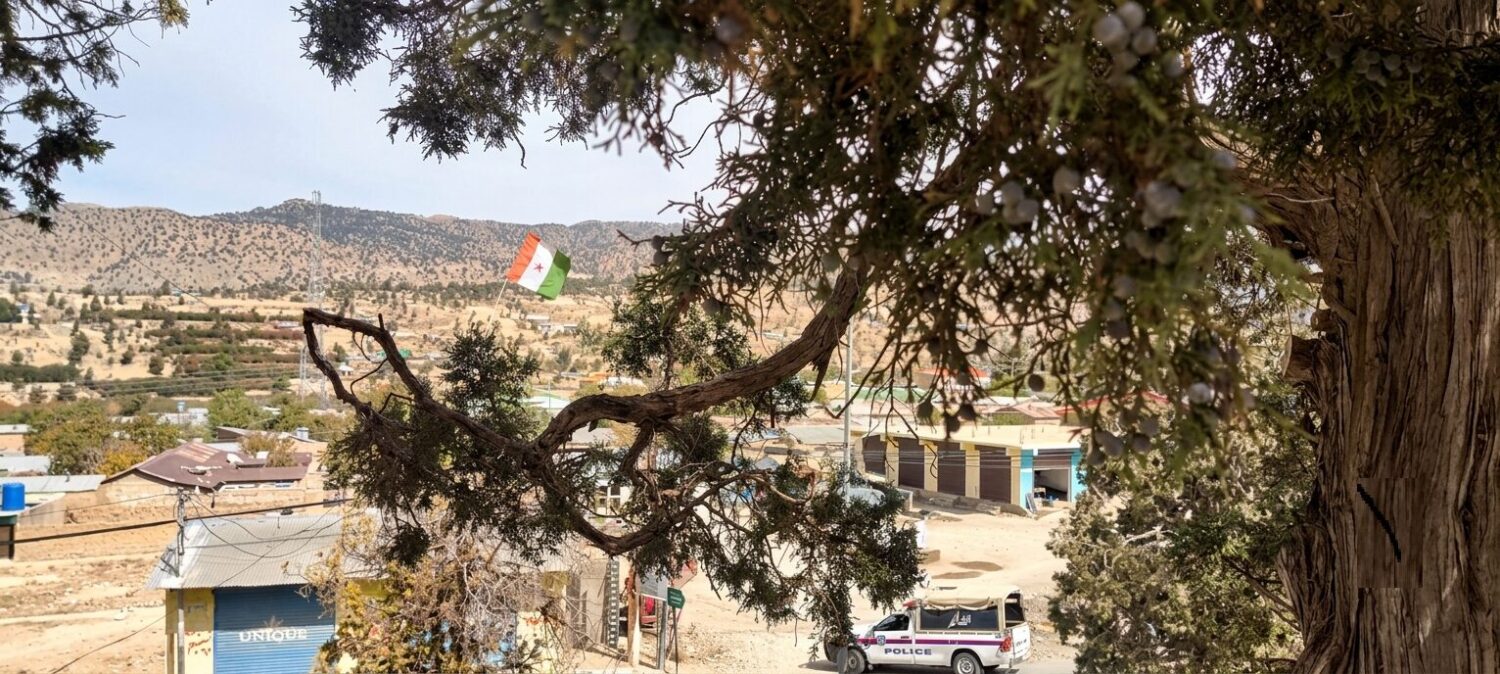 There are many challenges to juniper regeneration, including its slow rate of growth, but climate change is the major contributing factor. For example, the parasitic disease Dwarf Mistletoe recently infected the juniper trees on a large scale. Dieback and fungal diseases have also had adverse effects on the health and productivity of juniper trees.
Deputy Conservator Forest Ziarat Haseeb Kakar says, “During past winters, when there would be heavy snowfall, the juniper seed would remain under the snow for three to four months. The hard coat would soften under the snow. In the spring season, the seed would sprout. Now, since the snowfall has decreased, the natural dormancy cycle of the seeds is also disrupted.”
The parasites have also resulted in the migration of a wild bird, locally known as Obasht Khwara, which consumes the juniper berry and plays an important role in the regeneration of juniper trees.
Haseeb adds that temperature fluctuations affect the juniper forest. People are now facing an uncertain situation, suffering either from drought or from super floods. Rising temperatures, extreme weather events, and disruptions to ecosystems have far-reaching consequences for people, animals, and the environment.
Juniper forests like those in Ziarat take thousands of years to develop. Plans to sustain them cannot wait until the trees are gone.
“The core objective of establishing the Ziarat National Park is to conserve forests and wildlife, and it needs to be implemented on a war footing,” appeals Arman, a resident of the Zranda area in Ziarat.
“The juniper forest is our valuable natural heritage. It plays a vital role in reducing environmental pollution and mitigating the impacts of global warming, and it must be conserved.” He demands.
The writer is an environmental journalist based in Balochistan. He can be reached at [email protected]