News Desk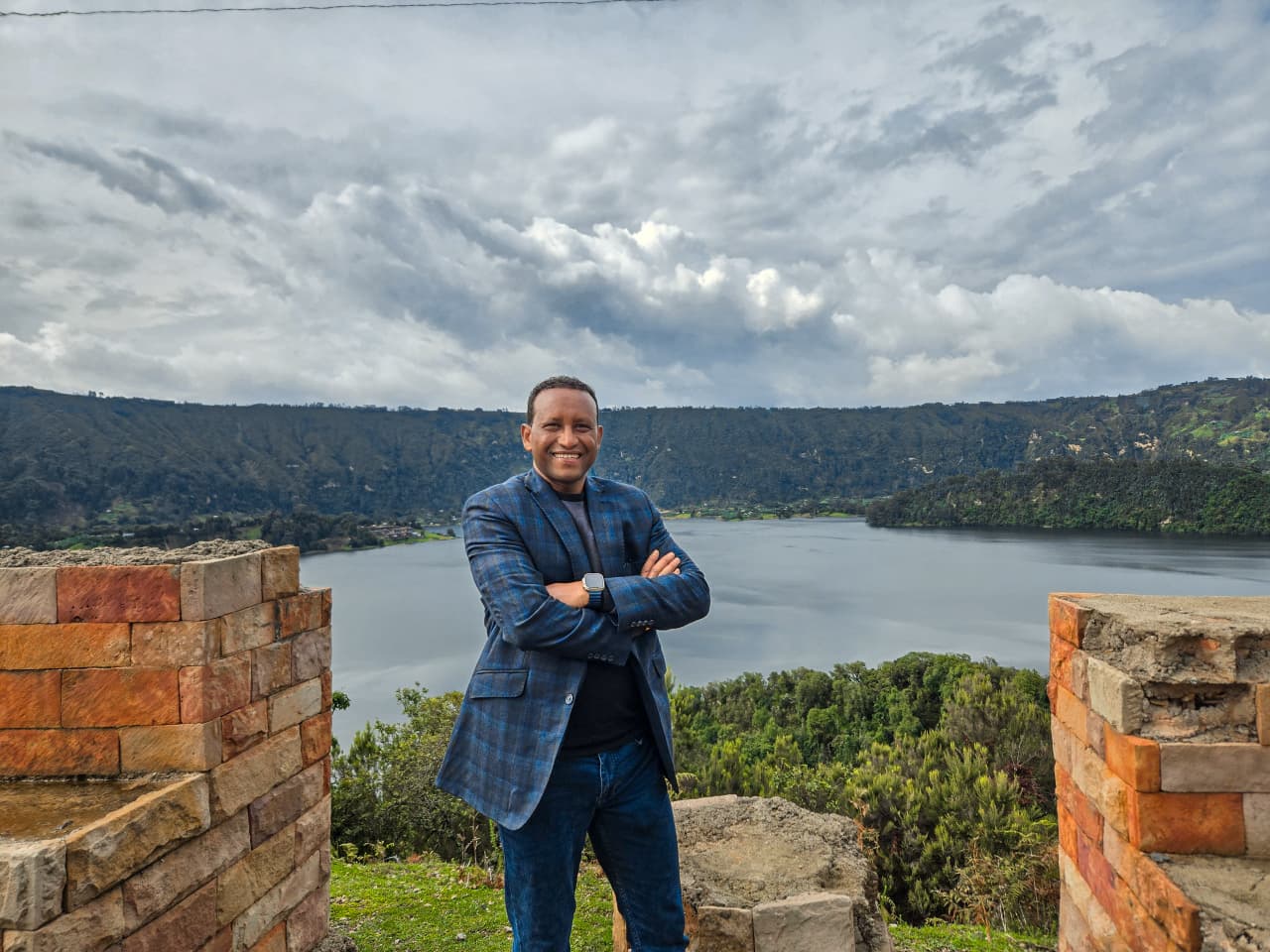
By Ambassador Dr. Jemal Beker Abdula
Ethiopia, long known as the Cradle of Humanity, is rising as a unique global tourism destination—inviting the world to explore its ancient roots, dramatic landscapes, and vibrant culture. Among its many treasures, Wanchi, a breathtaking eco-tourism site in the Oromia region, stands out as a symbol of Ethiopia’s new tourism vision: one that blends natural beauty, community participation, and sustainable development.
At the heart of this transformation is Prime Minister Dr. Abiy Ahmed, whose nationwide tourism initiatives—including “Dine for Nation” (launched in 2020) and “Dine for Generation” (in 2023)—have turned tourism into a central pillar of Ethiopia’s development agenda. These programs were designed not only to promote economic growth but to highlight Ethiopia’s cultural identity, ecological richness, and historic value on the world stage.
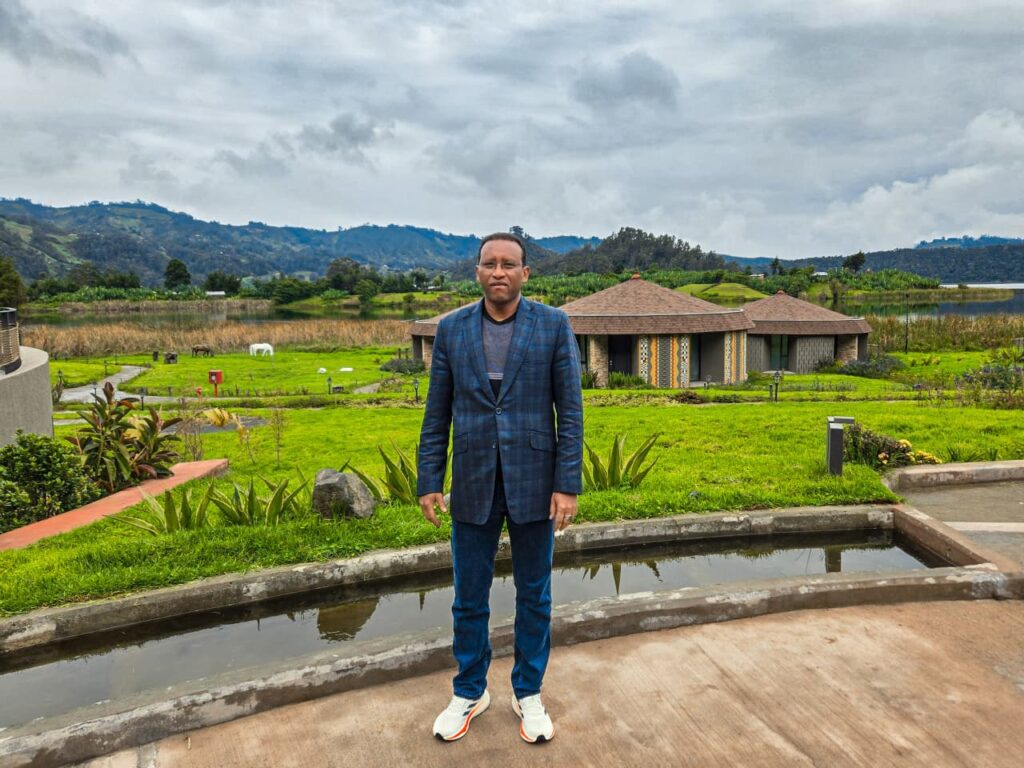 The “Dine for Nation” project introduced three major tourism development zones: Gorgora in the Amhara region, Koysha and Halala Kella in the Southern Nations, Nationalities, and Peoples’ Region, and Wanchi in Oromia.
Let me take this opportunity to introduce the people of Pakistan the Wanchi that has attracted broad domestic financial support and gained international recognition as a standout model for African eco-tourism.
Wanchi’s setting is nothing short of spectacular. Located within Oromia National Regional State, the area thrives on agriculture and tourism. With its lush greenery, crater lake, and highland scenery, Wanchi delivers an experience that refreshes both body and spirit. It is a place where peace meets natural majesty, offering a deep sense of serenity to all who visit.
In 2021, the United Nations World Tourism Organization (UNWTO) officially recognized Wanchi as one of the Best Tourism Villages in the world, praising its exceptional environmental stewardship, preservation of local culture, and community-led development. This recognition marked a high point in Ethiopia’s tourism revival—and confirmed that rural destinations like Wanchi can lead Africa’s tourism narrative.
A short visit to Wanchi offers more than visual beauty—it is a deep cultural and emotional journey. Managed by Ethiopian Skylight-IJA Developers, and supported by the Wanchi Eco-Tourism Association (WETA), the region combines traditional hospitality with modern comfort. Tourists experience warm community engagement, locally sourced food, and sustainable services that reflect the spirit of the region.
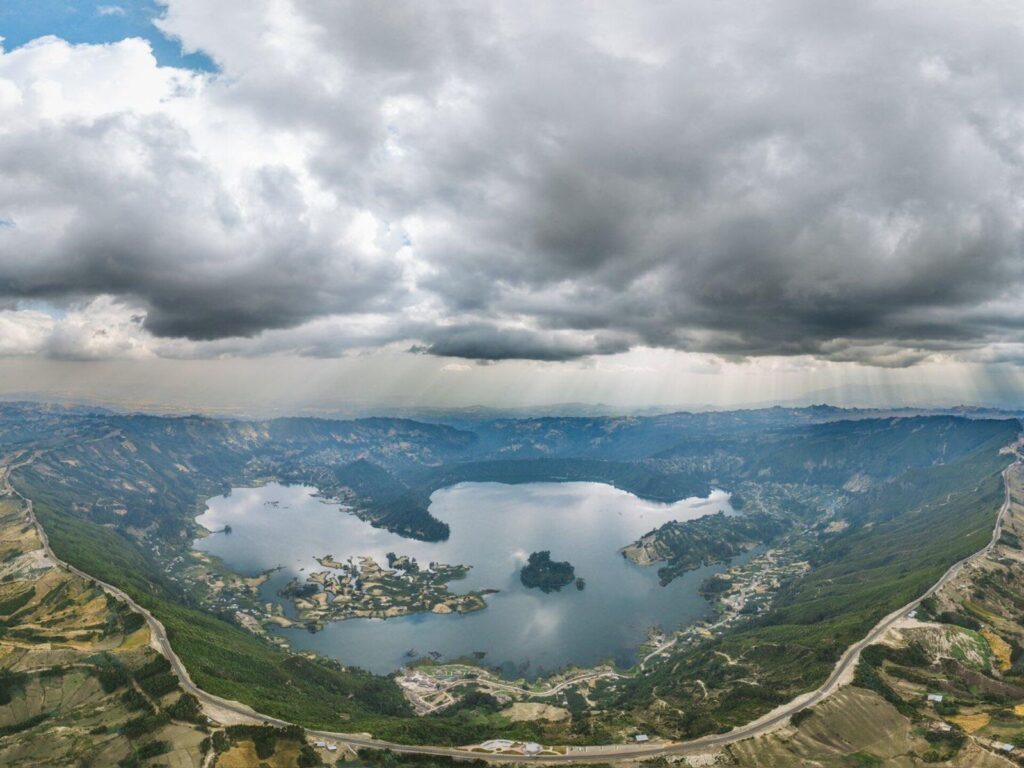 During a recent visit, I had the honour of accompanying H.E. Hon. Samakab Abdikadir, Member of the Minnesota House of Representatives, to Wanchi. Our journey began from Skylight Hotel in Addis Ababa, through scenic green corridors shaped by the Green Legacy Initiative—one of Prime Minister Abiy Ahmed’s landmark environmental programs. Along the route, we saw not only natural beauty, but the tangible results of Ethiopia’s national reform plan—better infrastructure, sustainable development, and a shared sense of national pride.
The Green Legacy Initiative has transformed both urban and rural landscapes. Billions of trees have been planted, greening the roadsides and farmlands from Addis Ababa to remote areas like Wanchi. These efforts have contributed to a cleaner environment, enhanced biodiversity, and stronger rural economies—making the tourism experience both sustainable and enriching.
Wanchi is not an isolated success. Ethiopia is filled with tourism jewels waiting to be explored. From the mighty Blue Nile Falls—known as Tis Abay or Tis Issat (“Smoke of Fire”)—to the serene Lake Tana, Ethiopia’s waterscapes are legendary. Lake Tana, the country’s largest lake and source of the Blue Nile, is home to ancient monasteries and religious manuscripts, adding a spiritual and historical dimension to its natural beauty.
The country is also home to several other spectacular waterfalls, including Ajecho, Sokei, Awash, and Barta. Barta Falls, located in the Kaffa region—globally known as the birthplace of coffee—is especially symbolic. The name “coffee” itself originates from “Kaffa,” and in Ethiopia, coffee is more than a drink—it is a way of life and a tool of diplomacy. The region hosts a National Coffee Museum and a growing coffee research hub, blending tourism with agriculture and education.
Ethiopia’s tourism offerings go far beyond nature. As the site of major paleoanthropological discoveries, the country has earned the title “Land of Origins”. Visitors from around the globe come to see the very places where the earliest human ancestors once walked. Few destinations can claim such a powerful narrative that ties humanity together.
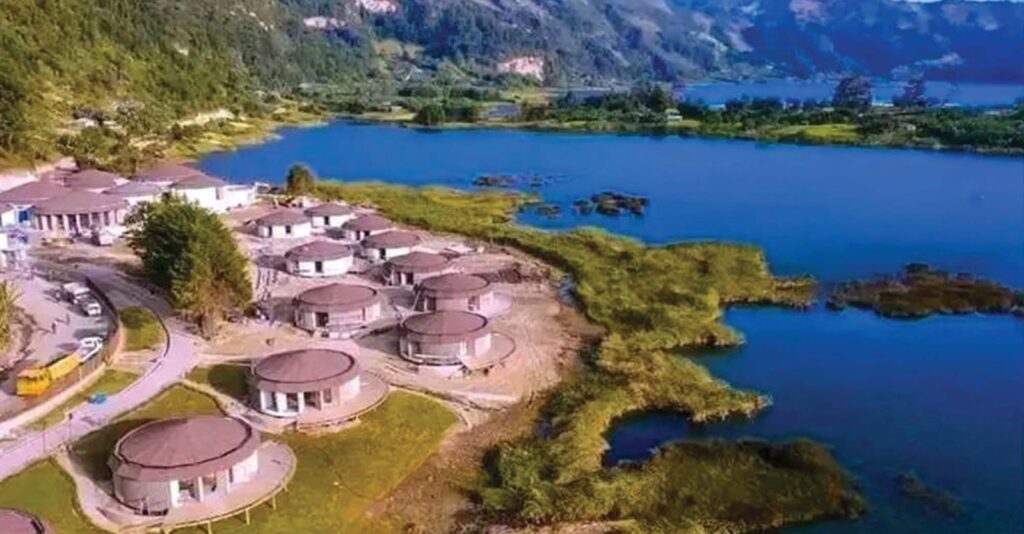 The government’s investment in these diverse tourism sectors has been deliberate and strategic. Under the Dine for Generation program, each of Ethiopia’s federal constituencies has been encouraged to develop tourism projects that highlight local traditions and natural features. This local-global approach ensures inclusivity and promotes Ethiopia’s soft power globally.
The Prime Minister’s leadership has not only supported these projects financially and politically—it has also leveraged Ethiopia’s diplomatic strength, with embassies and ambassadors playing a key role in promoting the country’s tourism potential abroad. As an envoy, I consider it both a responsibility and a privilege to help showcase Ethiopia’s wealth of attractions to the world.
Wanchi, in this national picture, is more than just a beautiful destination—it is a symbol of what Ethiopia can achieve. It combines community-driven development, cultural preservation, environmental sustainability, and modern tourism infrastructure. It demonstrates how Africa can offer global-standard tourism rooted in authenticity.
My visit to Wanchi left a lasting impression. More than just a travel experience, it was a reminder of Ethiopia’s evolving identity and its aspirations for the future. As Prime Minister Abiy Ahmed explains in his philosophical work “Generation Medemer”, Ethiopia’s journey is about collective growth, unity, and progress rooted in shared values.
Today, Ethiopia stands ready to welcome the world—not just to admire its beauty, but to understand its soul. To walk through Ethiopia is to walk through human history, to witness renewal, and to participate in a vision that looks both to the past and the future.
Wanchi’s glory awaits, and so does the story of Ethiopia!
𝘛𝘩𝘦 𝘈𝘶𝘵𝘩𝘰𝘳 𝘪𝘴 𝘚𝘱𝘦𝘤𝘪𝘢𝘭 𝘌𝘯𝘷𝘰𝘺 𝘢𝘯𝘥 𝘈𝘮𝘣𝘢𝘴𝘴𝘢𝘥𝘰𝘳 𝘌𝘹𝘵𝘳𝘢𝘰𝘳𝘥𝘪𝘯𝘢𝘳𝘺 𝘰𝘧 𝘵𝘩𝘦 𝘍𝘦𝘥𝘦𝘳𝘢𝘭 𝘋𝘦𝘤𝘮𝘰𝘳𝘢𝘵𝘪𝘤 𝘙𝘦𝘱𝘶𝘣𝘭𝘪𝘤 𝘰𝘧 𝘌𝘵𝘩𝘪𝘰𝘱𝘪𝘢 𝘵𝘰 𝘵𝘩𝘦 𝘐𝘴𝘭𝘢𝘮𝘪𝘤 𝘙𝘦𝘱𝘶𝘣𝘭𝘪𝘤 𝘰𝘧 𝘗𝘢𝘬𝘪𝘴𝘵𝘢𝘯