


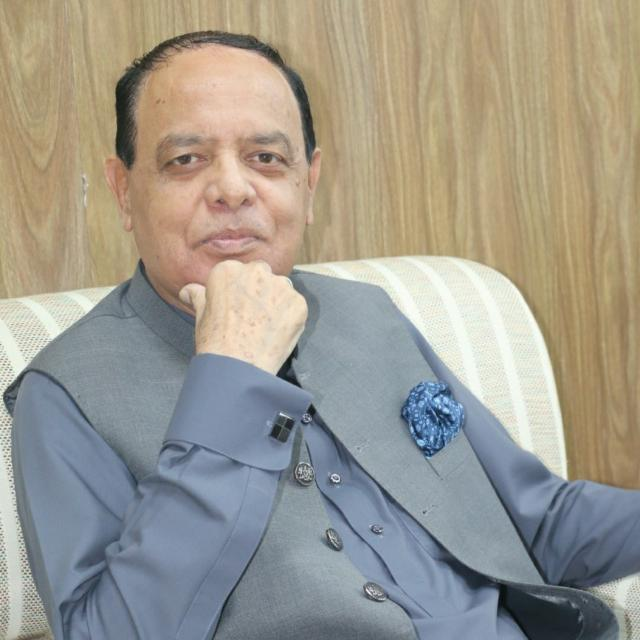
By Dr. T. M. Malik
Pakistan, a nation of immense cultural, linguistic, and regional diversity, stands at a pivotal juncture in its social evolution. Despite its immense human potential, strategic location, and rich cultural heritage, the country continues to grapple with deep socio-cultural and economic divides. These disparities, rooted in unequal development, social exclusion, and economic imbalance, have widened over time and now pose serious challenges to social cohesion, political stability, and sustainable growth. Bridging these divides is not merely a policy challenge but a national imperative.
Pakistan’s socio-cultural diversity is one of its defining characteristics. Multiple ethnic groups, languages, traditions, and belief systems coexist across provinces and regions. While this diversity has historically enriched the national identity, it has also exposed fault lines when combined with economic inequality and uneven development. Communities with limited access to education, healthcare, employment, and political representation often feel marginalized, leading to mistrust and alienation. Addressing these concerns requires a comprehensive and inclusive approach that links social harmony with economic justice.
The rural-urban divide remains one of the most visible manifestations of inequality in Pakistan. Major cities such as Karachi, Lahore, Islamabad, and Rawalpindi benefit from better infrastructure, educational institutions, healthcare facilities, and employment opportunities. In contrast, many rural areas face poor schooling systems, limited healthcare access, and inadequate economic opportunities. This imbalance fuels internal migration, placing pressure on urban public services while leaving rural economies stagnant. Bridging this divide demands sustained investment in rural development, including agricultural modernization, access to credit for small farmers, rural industries, and improved connectivity.
Economic inequality has further deepened Pakistan’s socio-cultural divide. A significant portion of national wealth remains concentrated among a small segment of society, while millions struggle to meet basic needs. Rising inflation, unemployment, and informal labor disproportionately affect low-income households. Economic hardship often reinforces social exclusion, limiting access to education and healthcare and reducing social mobility. Policies focused on inclusive growth, job creation, and social protection are essential to ensure that economic progress benefits all segments of society.
Education plays a central role in bridging both socio-cultural and economic divides. However, Pakistan’s fragmented education system perpetuates inequality. Elite private schools, under-resourced public institutions, and madrassas operate in parallel, producing unequal outcomes. Children from disadvantaged backgrounds often lack access to quality education, limiting their future economic prospects. Strengthening public education, ensuring uniform standards, improving teacher training, and aligning curricula with market needs are crucial steps toward reducing inequality and fostering social cohesion.
Gender inequality remains a major barrier to inclusive development in Pakistan. Despite constitutional guarantees, women continue to face disparities in education, employment, healthcare, and political participation. Cultural norms, safety concerns, and limited economic opportunities restrict women’s contribution to the economy. Bridging the gender gap is not only a social responsibility but an economic necessity. Greater investment in girls’ education, vocational training, women-led entrepreneurship, and safe workplaces can significantly boost economic productivity and social development.
Regional disparities also contribute to economic and socio-cultural divisions. Provinces and regions with limited infrastructure and investment, particularly parts of Balochistan and Khyber Pakhtunkhwa, often lag behind in development indicators. Perceptions of unequal resource distribution and limited political representation deepen feelings of marginalization. Addressing these issues requires transparent governance, equitable allocation of development funds, and inclusive decision-making processes that involve local communities.
The media and digital platforms play an increasingly influential role in shaping social and economic narratives. While media can promote awareness and dialogue, sensationalism and polarization often undermine constructive discourse. Social media, in particular, has amplified both voices of reform and narratives of division. Promoting media literacy, ethical journalism, and responsible digital engagement is essential to ensure that media serves as a tool for unity rather than division.
Religion and cultural values can also play a constructive role in bridging divides. Pakistan’s social fabric is deeply influenced by religious teachings that emphasize justice, compassion, and social responsibility. Religious leaders and institutions can help promote tolerance, social solidarity, and economic ethics, countering extremism and sectarianism through dialogue and community engagement.
The responsibility for bridging Pakistan’s socio-cultural and economic divide does not rest solely with the state. Civil society organizations, private sector institutions, educational bodies, and community leaders all have vital roles to play. Public-private partnerships, youth engagement programs, community development initiatives, and skills-based training can help bridge gaps and create opportunities for marginalized groups. Pakistan’s youth, which constitutes a significant portion of the population, represents a powerful force for change if provided with education, skills, and employment opportunities.
Ultimately, bridging the socio-cultural and economic divide in Pakistan requires a long-term vision rooted in inclusion, equity, and shared prosperity. Development cannot be sustainable if large segments of society remain excluded. A cohesive nation is built not through uniformity but through fairness, mutual respect, and equal opportunity.
Pakistan’s future depends on its ability to transform diversity into strength and inequality into opportunity. By prioritizing inclusive economic growth, equitable education, gender empowerment, responsible governance, and social dialogue, Pakistan can move toward a more unified, resilient, and prosperous society where every citizen feels valued and invested in the national future.
The writer is PhD in Media Sciences. He can be reached at [email protected]