

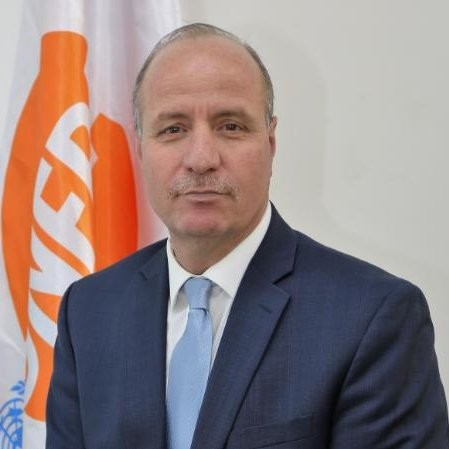

By Dr. Luay Shabaneh, UNFPA Representative in Pakistan
Islamabad, December 30, 2025; Pakistan closes 2025 and enters 2026 as the world’s fifth most populous country, with more than 255 million people, alongside high population growth and fertility rates, persistent gender inequality, and rising climate vulnerability. These realities accentuate the urgency of addressing population dynamics not as a burden, but as a strategic driver of sustainable and inclusive development.
The United Nations Population Fund (UNFPA) acknowledges the progress Pakistan made in 2025 in fostering sexual and reproductive health and rights (SRHR), strengthening population data systems, addressing gender-based violence, and expanding youth-focused initiatives. Policy reforms, high-level commitments, and stronger federal–provincial collaboration indicate that population dynamics are increasingly understood as central to Pakistan’s development future.
Despite these gains, challenges remain. High maternal mortality, unmet need for family planning, early marriages, gender-based violence, and unequal access to quality reproductive health services, particularly in remote and climate-affected communities, demand attention. These challenges are also closely linked to stalled fertility decline and uneven development outcomes.
Pakistan has the talent, vision, and capacity to advance its population and development agenda, what is needed now is decisive focus, stronger governance, and effective accountability to ensure that commitments made at the highest levels become real improvements in people’s lives.
From a population and development perspective, UNFPA emphasizes that investments in SRHR, combined with opportunities for women and girls to access education, skills, and economic participation, are the most effective ways to nurture informed reproductive choices, achieve balanced fertility, and build demographic resilience. These investments strengthen families, improve livelihoods, and support long-term economic growth.
Looking ahead to 2026, UNFPA calls for a shift in how population is reflected in national planning and financing, particularly the National Finance Commission (NFC) formula. Moving beyond population size as the primary determinant, a forward-looking approach should reward provinces for measurable progress on gender equality, climate resilience, balanced population outcomes, and improvements in the quality of health and education services. Such a reform would align fiscal incentives with human development results, encourage innovation and accountability, and help translate population policy into tangible gains for people and communities.
UNFPA urges the implementation of the recommendations of the Council of Common Interests with clear accountability, timelines, and sustained domestic financing, supported by strong population data and evidence-based planning.
UNFPA is committed to remain a strong partner of Pakistan on this journey of change for advancing reproductive rights, strengthening demographic intelligence, and translating population evidence into people-centred solutions.
2026 is an opportunity to move from promises to progress by prioritizing population dynamics, reproductive rights, and accountable governance for population agenda to secure inclusive and sustainable development for a better future for all.