Daily The Spokesman 16 January 2026 PDF
78th Anniversary of Independence Day of the Republic of the Union of Myanmar
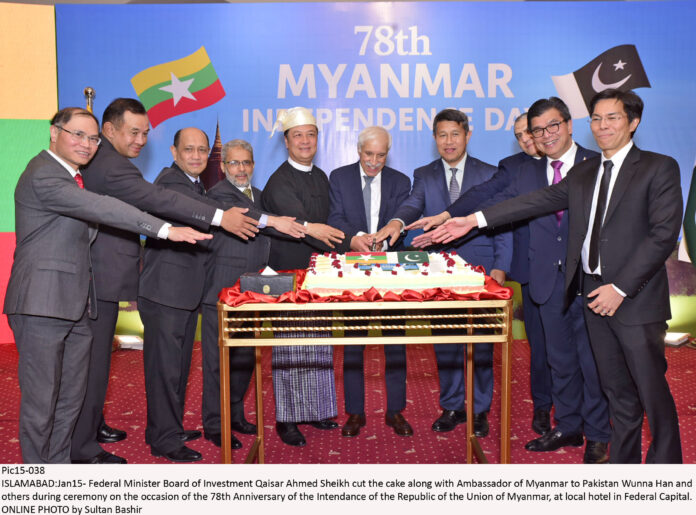
78th Anniversary of Independence Day of the Republic of the Union of Myanmar.
WHO and BISP establish 40 new centres to treat 15,000 severely malnourished children across Pakistan
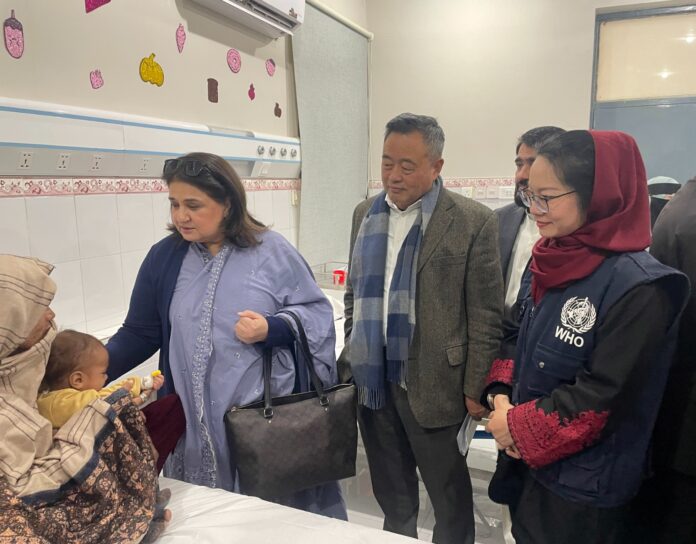
The World Health Organization, in partnership with the Benazir Income Support Programme, will now support a total of 169 centres and 700 staff across the country, covering more than 70,000 children annually and providing counselling to 120,000 mothers and caregivers.
Spokesman Report
Islamabad: The World Health Organization (WHO), in partnership with Pakistan’s Benazir Income Support Programme (BISP), has supported the establishment of 40 new nutrition stabilization centres since November to provide life-saving treatment to children under five suffering from severe acute malnutrition with medical complications. With these new facilities, WHO will now support a total of 169 centres and 700 staff across the country, covering more than 70,000 children annually and providing counselling to 120,000 mothers and caregivers.
One of the new centres was inaugurated this week at Bacha Khan Medical Complex in Swabi, Khyber Pakhtunkhwa (KP) province, by Chairperson BISP Senator Rubina Khalid, WHO Representative in Pakistan, Dr Luo Dapeng, and KP Health Minister Khaleeq Ur Rehman.
“BISP’s Benazir Nashonuma Programme is an important and effective initiative for promoting the health and nutrition of mothers and children. These nutrition stabilization centres, established in partnership with WHO, provide life-saving treatment and will be expanded to more areas across Pakistan in phases, with the cooperation of provincial governments”, said Chairperson BISP Senator Rubina Khalid.
The 40 new centres will cover an estimated 15,000 children annually and have been supported by WHO teams through repairs and renovations, capacity building, human resource support, provision of supplies – including therapeutic food – and comprehensive technical assistance.
The cure rate for children treated in stabilization centres supported by WHO and BISP across the country stands at 97%.
“We are particularly thankful for and proud of this collaboration because we are saving thousands of lives, managing the most challenging cases of malnutrition with medical complications using a science-based approach. Without the treatment provided in the stabilization centres, these children would unfortunately die. Even a single child dying from malnutrition is already one too many,” said WHO Representative in Pakistan Dr Luo Dapeng.
“WHO stands with Pakistan to continue saving the lives of children and securing a healthier future for all without distinction, no matter their economic status, where they live, or who they are.”
Pakistan remains among the 10 countries in the world where more than half of the under-five population suffers from either stunting or wasting, or both. The prevalence rate of stunting among children under five is 40 percent – totaling 10 million stunted children – while wasting affects 17.7 percent, resulting in 5 million wasted children. Acute malnutrition is causing an annual economic loss of USD 17 billion.
Despite these challenges, evidence indicates that the interventions under BISP’s Nashonuma programme – in partnership with WHO and other UN agencies like WFP and UNICEF – are delivering some of the strongest results ever documented globally for a nutrition programme, with measurable impact on stunting reduction and child survival. These results include a 20% decline in stunting by six months of age and a 5.6 percentage-point reduction in low birth weight among beneficiaries.
WHO will continue to partner with Pakistan and its people in reinforcing this and other health programmes, striving to deliver health for all.
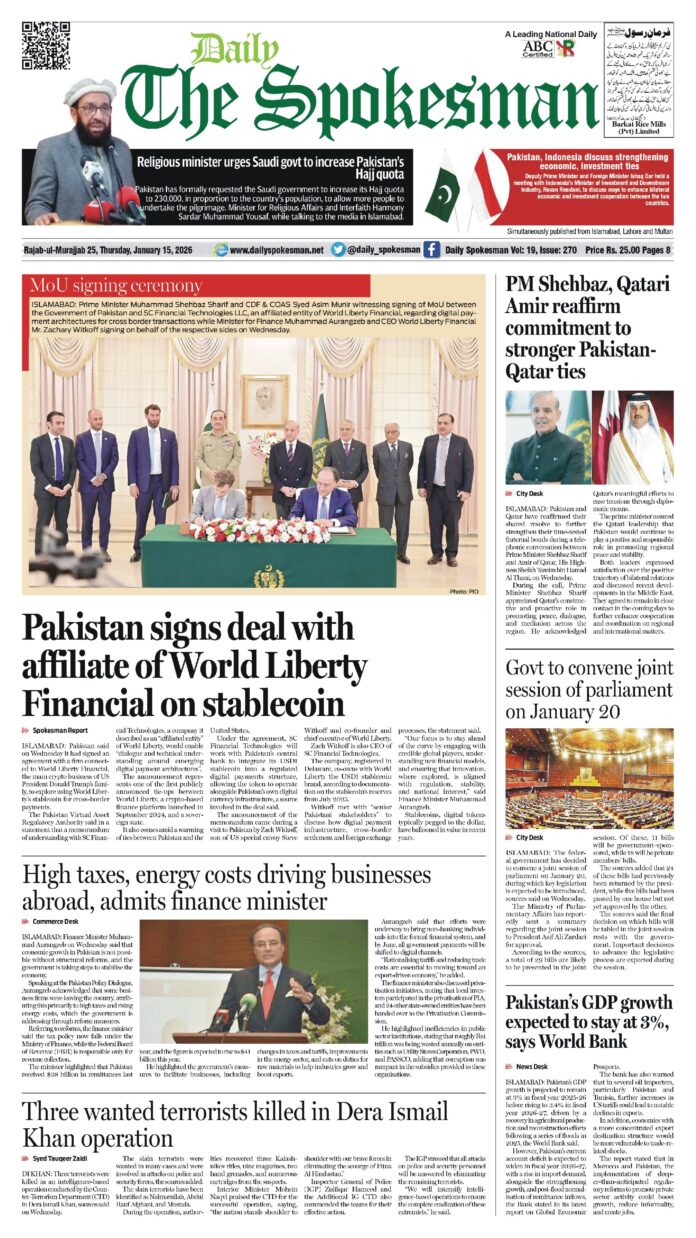
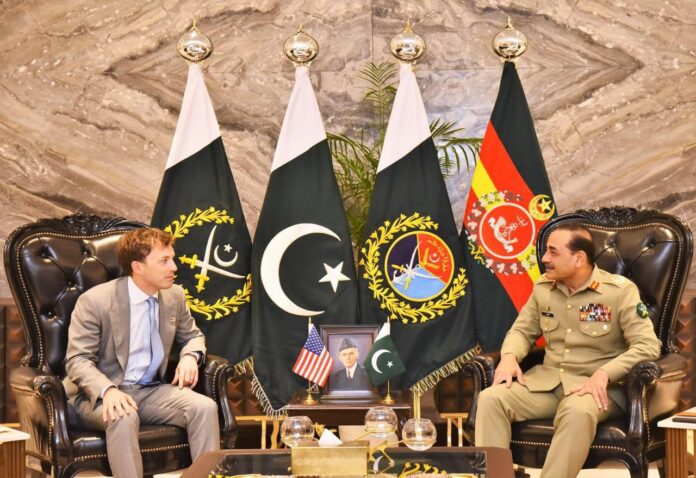
Fintech Giant World Liberty Financial Meets Field Marshal Asim Munir to Discuss Investment
Spokesman Report
Islamabad: A delegation of World Liberty Financial USA led by Mr. Zachary Witkoff, Chief Executive Officer of a leading global Fintech firm, called on Field Marshal Syed Asim Munir, NI (M), HJ, COAS & CDF.
The meeting reflected the growing interest of international private investment groups in Pakistan’s evolving economic landscape and also signals rising global confidence in Pakistan’s fintech potential and aims to strengthen financial inclusion and cross border digital finance. Mr Witkoff highlighted the immense economic potential Pakistan holds and lauded the efforts of Pakistan’s leadership in embracing futuristic technologies to realize the full possibilities of its economic prowess.
Field Marshal Syed Asim Munir welcomed the exchange of views and emphasized Pakistan’s commitment to economic stability, investor confidence, and enabling an environment conducive to responsible private sector participation in national development.
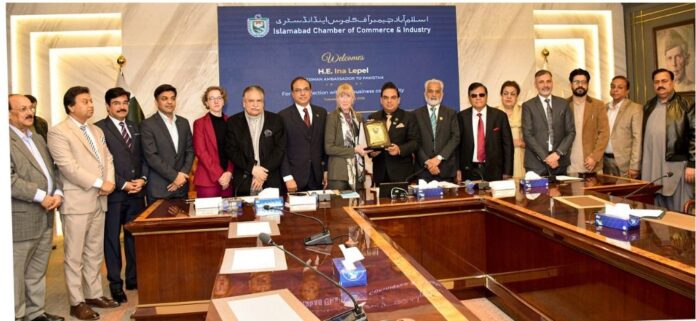
ICCI hosts German Ambassador: Bilateral economic cooperation, B2B linkages explored
Commerce Desk
Islamabad: The Ambassador of the Federal Republic of Germany to Pakistan, H.E. Ina Lepel accompanied by Ms. Janine Rohwer, Counsellor Political and Economic Affairs and Climate Change visited the Islamabad Chamber of Commerce and Industry (ICCI) and held an interactive session with the business community of Islamabad, reaffirming Germany’s strong commitment to further strengthening bilateral economic relations with Pakistan.
Addressing the gathering, Ambassador Ina Lepel reiterated Germany’s readiness to enhance cooperation with Pakistan in key areas including climate change, health and social protection, private sector development, and the upgradation of vocational and technical education institutions. She emphasized that these collaborative efforts would contribute significantly to sustainable economic growth and deeper economic ties between the two countries.
The Ambassador noted that vast untapped potential exists for cooperation between Pakistan and Germany and expressed her keen interest in exploring new avenues of collaboration in close coordination with Pakistan’s business community. Highlighting the critical role of the private sector, she stressed that businesses from both countries can play a pivotal role in expanding trade and investment relations. She assured the business community of the German Embassy’s full support, particularly in strengthening business-to-business (B2B) linkages and identifying promising sectors for cooperation.
Ambassador Lepel also acknowledged the importance of trade fairs and exhibitions as effective tools for promoting trade, investment, and mutual understanding between nations. She appreciated ICCI’s proactive initiatives, especially its efforts to support women-led enterprises and promote sustainable and inclusive economic growth.
Earlier, in his welcome address, President Islamabad Chamber of Commerce and Industry Sardar Tahir Mehmood highlighted that Pakistan-Germany relations are deeply rooted in mutual respect and long-standing cooperation across diplomatic, economic, and cultural domains. He noted that Germany is one of the largest economies in the European Union and a key economic partner for Pakistan, particularly in sectors such as machinery, engineering, automotive, and chemicals. He further pointed out that Pakistan’s exports to Germany—especially textiles, leather goods, sports goods, footwear, and medical instruments reflect strong complementarities between the two markets.
The ICCI President added that the Chamber represents a vibrant and diverse business community comprising SMEs, exporters, startups, and industrial stakeholders. He expressed firm belief that enhanced engagement between German and Pakistani businesses could unlock new opportunities for trade expansion, technology transfer, and investment cooperation. Reaffirming ICCI’s commitment, he stated that the Chamber stands ready to act as a bridge between German investors and Pakistani enterprises to facilitate meaningful and mutually beneficial collaboration.
Speaking on the occasion, Chairman ICCI Committee on Diplomatic Affairs, Zafar Bakhtawari, assured the Ambassador of ICCI’s full support to the German Embassy in promoting bilateral trade and investment. He underlined the need for direct flights between Pakistan and Germany to enhance people-to-people and business-to-business linkages. He also proposed convening a grand session on Pakistan-Germany multilateral relations at the ICCI auditorium.
Former President ICCI, Mian Akram Farid, lauded Germany for playing a significant and supportive role in Pakistan’s GSP+ status by consistently advocating for it within the European Union, providing development assistance linked to reforms, and leveraging strong bilateral ties.
Senior Vice President ICCI Tahir Ayub and Vice President Irfan Chaudhry, in their remarks, emphasized the need for sustained institutional collaboration between chambers of commerce of both countries. They highlighted opportunities for joint ventures, technology sharing, and SME cooperation, and stressed that stronger engagement with German businesses would help Pakistani enterprises integrate into global value chains.
Chairman ICCI Foreign Delegation Committee, Imran Minhas, emphasized the need for increased exchange of business delegations between the two countries to further strengthen commercial relations. ICCI Executive Member Fatima Azim shared her vision for encouraging and empowering women entrepreneurs to play a greater role in bilateral trade and economic cooperation.
Prominent participants at the session included Council Member Chaudhry Waheed-ud-Din; Executive Members Malik Mohsin Khalid, Abdur Rehman Siddiqui, Chaudhry Nadeem Ahmed, Ishaq Sial, and Zulqurnain Abbasi; former Vice President Ashfaq Chattah, along with a large number of representatives from the business community.
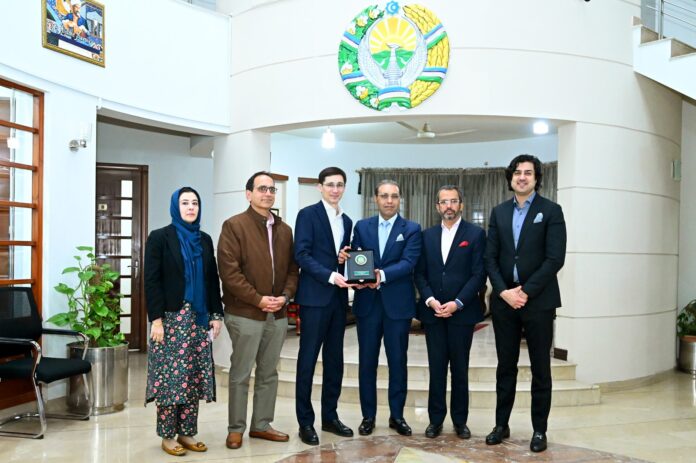
RCCI, Uzbekistan Explore Joint Ventures and Trade Expansion with Focus on Pharma Sector
Commerce Desk
Rawalpindi: A meeting and interactive session was held between the Rawalpindi Chamber of Commerce & Industry (RCCI) and Mr. Shohrukh Gulamov, Deputy Minister of Investment, Industry and Trade of the Republic of Uzbekistan, in Islamabad aimed at strengthening bilateral economic cooperation and exploring new avenues of trade and investment.
President RCCI, Mr. Usman Shaukat, along with Senior Vice President Mr. Khalid Farooq Qazi, participated in the meeting. Former RCCI President Dr. Shumail Daud was also present on the occasion.
During the interaction, both sides discussed matters related to close cooperation between Pakistan and Uzbekistan, with particular emphasis on the scope of joint ventures, enhancement of trade and investment ties, and collaboration in key sectors, including the pharmaceutical industry.
President RCCI, Usman Shaukat, recalled and briefed the Deputy Minister about RCCI’s recent Business Opportunity Conference held in Tashkent in November, which marked an important step toward deepening economic engagement between the two countries. He highlighted the subsequent meetings with Uzbek Chambers of Commerce, ministerial-level engagements, and the visit to the Export Pharmaceutical Park, which opened new prospects for collaboration, especially in the pharma sector.
Mr. Usman Shaukat emphasized that RCCI remains committed to facilitating B2B linkages, encouraging investment partnerships, and translating diplomatic goodwill into tangible economic outcomes. He noted that sustained interaction between chambers and government institutions would play a vital role in unlocking the full potential of bilateral trade.
Mr. Shohrukh Gulamov appreciated RCCI’s proactive role in promoting Pakistan–Uzbekistan economic relations and expressed interest in further strengthening cooperation through joint ventures, trade facilitation, and sector-specific collaboration.
The meeting concluded with a shared resolve to continue engagements and work closely to promote mutually beneficial trade and investment opportunities between Pakistan and Uzbekistan.
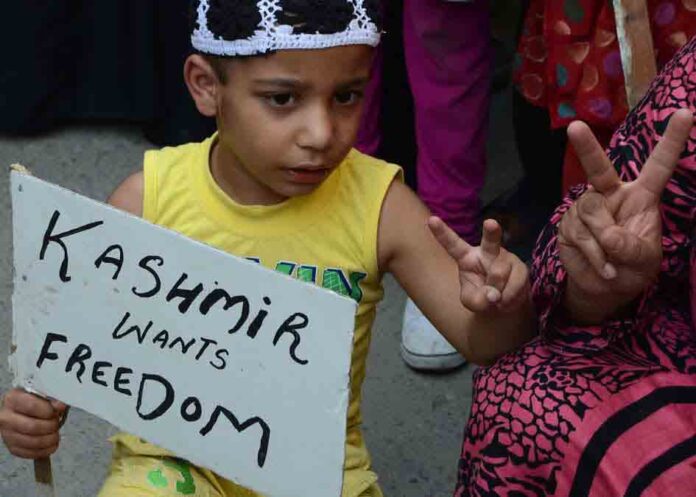
Children’s Rights in Times of Conflict: The Case of Kashmir
Spokesman Report
Islamabad: The Committee on the Rights of the Child opened its one hundredth session in Geneva from 12 to 30 January 2026 at a moment of profound concern for children worldwide. In his opening statement, Mahamane Cissé-Gouro, Director of the Human Rights Council and Treaty Mechanisms Division at the Office of the High Commissioner for Human Rights, emphasized that the Committee was convening at an exceptionally difficult time for children’s rights. Across the globe, children are increasingly affected by violations of international humanitarian law and by growing challenges to their fundamental rights. At the same time, international support for human rights mechanisms is shrinking, while treaty bodies face unprecedented financial and political constraints. Against this backdrop, he stressed, the Committee’s work has never been more vital.
Sophie Kiladze, Chair of the Committee, described the one hundredth session as a truly remarkable milestone. Over more than 35 years, the Committee has reviewed hundreds of State party reports, issued thousands of recommendations, adopted 26 general comments, convened days of general discussion, conducted inquiries, adopted individual decisions, and organized numerous events promoting the child as a rights holder. Yet, despite these sustained efforts, Ms. Kiladze acknowledged that the suffering of millions of children remains beyond imagination. \
We all know that the question of children’s rights involves deep moral complexity. All children are born with equal moral worth and deserve an equal chance in life. Yet perfect equality is unattainable in practice, requiring societies to seek fair and humane alternatives that protect the most vulnerable. Nowhere is this challenge more visible than in situations of protracted armed conflict.
In this context, the plight of children in Indian occupied Kashmir demands urgent attention. The heavy military presence—estimated at approximately 900,000 Indian troops, number cited by internationally renowned Indian novelist Arundhati Roy—has profoundly altered the daily reality, perceptions, and psychological development of Kashmiri children. Many grow up in an atmosphere of constant fear: fear of midnight raids, warrantless searches, arbitrary detention of young boys under draconian laws such as the Public Safety Act and the Unlawful Activities (Prevention) Act, physical abuse of elders, and violations of the dignity and safety of women within their households. Such experiences leave lasting scars on young minds.
Armed conflict in Kashmir has affected all inhabitants of the valley, but its most severe consequences are borne by children. Exposure to violence fills young hearts with anger, frustration, and helplessness, depriving them of peace of mind. Health—one of the most valuable assets of childhood—is severely compromised, as many children suffer from anxiety, depression, and post-traumatic stress disorder. The conflict has robbed them of a carefree childhood and imposed adult responsibilities far too early. Some children are placed in orphanages after losing their caretakers at the very moment when parental support is most crucial. Education, essential for the future development of any society, is repeatedly disrupted, producing long-term consequences for both individuals and the broader community.
Despite these hardships, the children of Kashmir possess immense qualities and capacities. What they urgently need are reliable and dependable educational spaces. No child’s education should be allowed to suffer because of insecurity, unpredictability, violence, or administrative neglect. Protecting education is a critical first step toward safeguarding Kashmir’s most valuable asset—its young minds—and ensuring that the next generation inherits not despair, but opportunity, learning, and hope.
Numerous credible Indian and international organizations have documented the psychological toll of conflict on Kashmiri children. In early May 2025, a team from the child psychiatry department at the Institute of Mental Health and Neurosciences (IMHANS), Kashmir, supported by UNICEF India, visited psychosocial mental health camps in Uri, Kashmir. Over two weeks, clinicians observed dozens of children exhibiting symptoms of panic, anxiety, insomnia, nightmares, irritability, and persistent fear of renewed violence. UNICEF has repeatedly warned that armed conflict is particularly traumatic for children and can result in long-term mental health consequences if left unaddressed.
Media and clinical reports corroborate these findings. Mumbai Mirror reported in September 2025 on a 16-year-old girl from Kupwara who presented with severe anxiety following shelling in her neighborhood after the May 10, 2025, ceasefire between India and Pakistan. According to professionals at the Child Guidance and Wellbeing Centre in Srinagar—the only fully operational government facility dedicated to child and adolescent mental health in Kashmir—girls often present in greater numbers, as they tend to express distress more openly. Children as young as eleven have reported intense fear of being alone, even while using the washroom, due to constant exposure to violent imagery and war-related media.
Recent data further underscores the gravity of the crisis. The 2022–2023 annual report of the Child Guidance and Wellbeing Centre at IMHANS documents a sharp rise in mental health cases among children aged 0–18, with the highest number in the 7–14 age group. Moreover, the National Crime Records Bureau reported in December 2023 that Jammu and Kashmir recorded the highest number of attempted suicide cases in India in 2022, a deeply alarming indicator of widespread psychological distress.
As the Committee on the Rights of the Child commemorates its one hundredth session, this historic milestone must serve not only as a moment of reflection, but as a call to renewed moral and institutional responsibility. For the children of conflict-affected regions such as Kashmir, declarations, general comments, and recommendations—however valuable—remain hollow unless they translate into tangible protection, accountability, and relief on the ground.
The Committee is uniquely mandated to ensure that the Convention on the Rights of the Child is not reduced to an aspirational document but upheld as a living instrument of protection for children trapped in situations of prolonged occupation and armed conflict. The children of Kashmir continue to experience violations of their most basic rights: the right to life, the right to education, the right to physical and mental health, and the right to grow up free from fear and violence. These violations are neither isolated nor incidental; they are systemic, long-standing, and well-documented by credible national and international sources.
We therefore urge the Committee on the Rights of the Child to: (a) give sustained and heightened attention to the situation of children in Jammu and Kashmir in its dialogue with the State party; (b) explicitly address the psychological trauma, disruption of education, arbitrary detention, and family separation affecting Kashmiri children in its concluding observations; (c) call for unrestricted access for independent child-protection and mental-health mechanisms, including UN agencies and humanitarian organizations; and (d) recommend concrete, time-bound measures to ensure compliance with the Convention and its Optional Protocols.
Children living under conflict cannot wait for political settlements to enjoy their rights. International law does not permit the suspension of childhood. If the Convention on the Rights of the Child is to retain its credibility and moral authority, it must speak most forcefully for those children who are least able to speak for themselves. The children of Kashmir are entitled not to sympathy alone, but to protection, justice, and a future free from fear.
Pakistan-Italy Ties Reaffirmed: Gilani Meets Italian Envoy on Trade and Migration
Spokesman Report
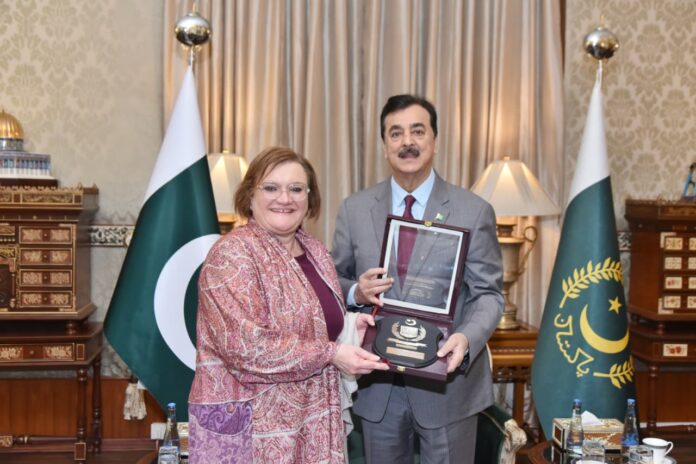
Islamabad: 14 January 2026 — Acting President Syed Yousuf Raza Gilani met Ms. Marilina Armellin, Ambassador of the Italian Republic, who called on him at Aiwan-e-Sadr today. The meeting focused on further strengthening Pakistan-Italy relations and expanding cooperation in key areas.
The Acting President said that Pakistan and Italy enjoy over 75 years of diplomatic relations rooted in a long-standing friendship and cooperation at important international fora. He expressed appreciation for Italy’s support in multilateral platforms and thanked the Italian government for hosting more than 300,000 members of the Pakistani diaspora.
Mr Gilani noted the presence of several Italian companies in Pakistan, particularly in pharmaceuticals, oil and gas and railways, and underscored Pakistan’s interest in expanding trade and investment ties. He also emphasised the need for faster visa processing for Pakistanis travelling to Italy and looked forward to an increased quota of skilled workers under the labour migration programme, for which an MoU between the two countries is under process.
The Italian Ambassador said that Italy deeply cherishes its long-standing friendship with Pakistan and noted that Pakistan was among the first countries with which the Italian Republic established diplomatic relations.
She shared that in 2025, Italy issued visas to over 15,000 Pakistani students who got admission to Italian universities for postgraduate and PhD programmes. Referring to Italy’s shortage of skilled manpower, particularly in scientific, IT-related fields and healthcare, she said Italian institutions welcomed initiatives by Pakistani universities to offer Italian language courses to improve employment prospects.
The meeting reaffirmed the shared commitment to further deepen bilateral cooperation in education, migration, trade and people-to-people exchanges.
High Commissioner Meets Canadian Medical Leaders to Forge Healthcare Partnerships
Spokesman Report
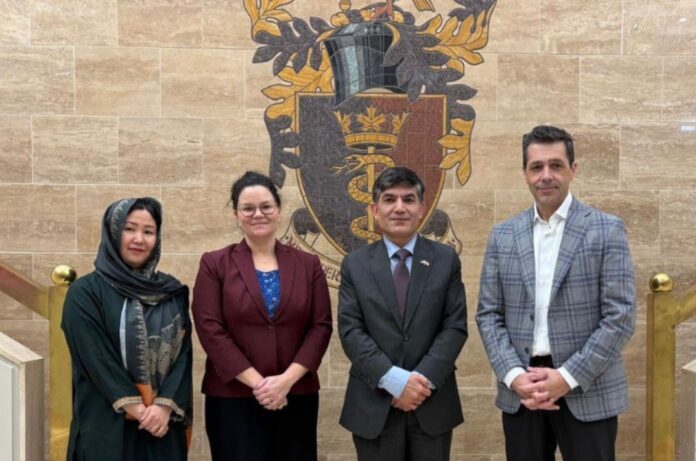
Ottawa:High Commissioner Muhammad Saleem visited the Royal College of Physicians and Surgeons of Canada (RCPSC) in Ottawa for meeting with Mr. Craig Ceppetelli, Executive Director and Chief Operating Officer.
The two sides discussed cooperation opportunities between Pakistan and Canada in the professional training and capacity building in the healthcare sector with particular focus on postgraduate medical education, accreditation and specialist training. They also explored possible linkages between the Royal College of Physicians and Surgeons of Canada and its counterpart institution, i.e. the College of Physicians and Surgeons of Pakistan.
The High Commissioner also informed about the upcoming International Medical Education Conference to be held in Karachi, Pakistan in February 2026.

