Bureau Report
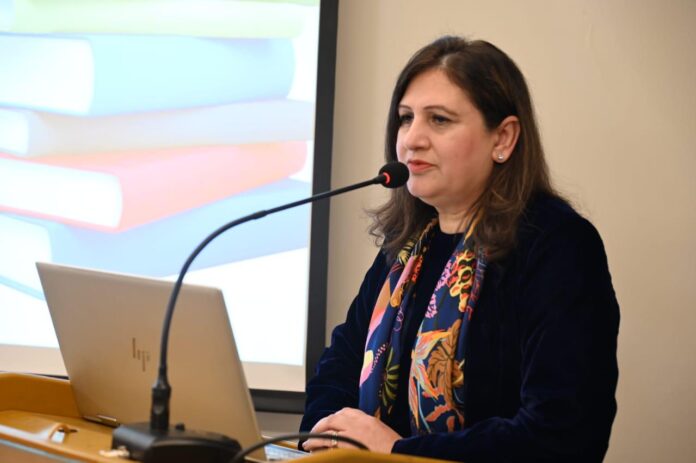
MUZAFFARABAD: Ms Kalsoom B. Kazmi, Founder and Chief Executive Officer of Brilliance Foundation Inc., USA, and an educator and human rights consultant, held a series of high-level meetings with women leaders, educators and community stakeholders during her visit to Muzaffarabad, Azad Jammu and Kashmir, focusing on capacity-building, youth development and mental health awareness.
During her visit, Ms Kazmi met with women leaders from across AJK, including representatives from the education sector, schools, colleges, the legal fraternity, teaching community, police, and other public institutions. The interactions provided a rare cross-sector platform for dialogue on women’s leadership, professional development and the challenges faced by women working in public service roles.
Participants discussed practical ways to strengthen women’s participation in decision-making, improve institutional support systems, and expand access to professional training, particularly for teachers, school administrators and young women entering the workforce.
In a second round of engagements, Ms Kazmi held an extensive discussion with educators, faculty members and professors of the University of Azad Jammu and Kashmir (UAJK), along with community leaders and departmental representatives. The conversations explored possibilities for collaborative training programmes, curriculum support, and professional development initiatives for schools, youth and women professionals in the region.
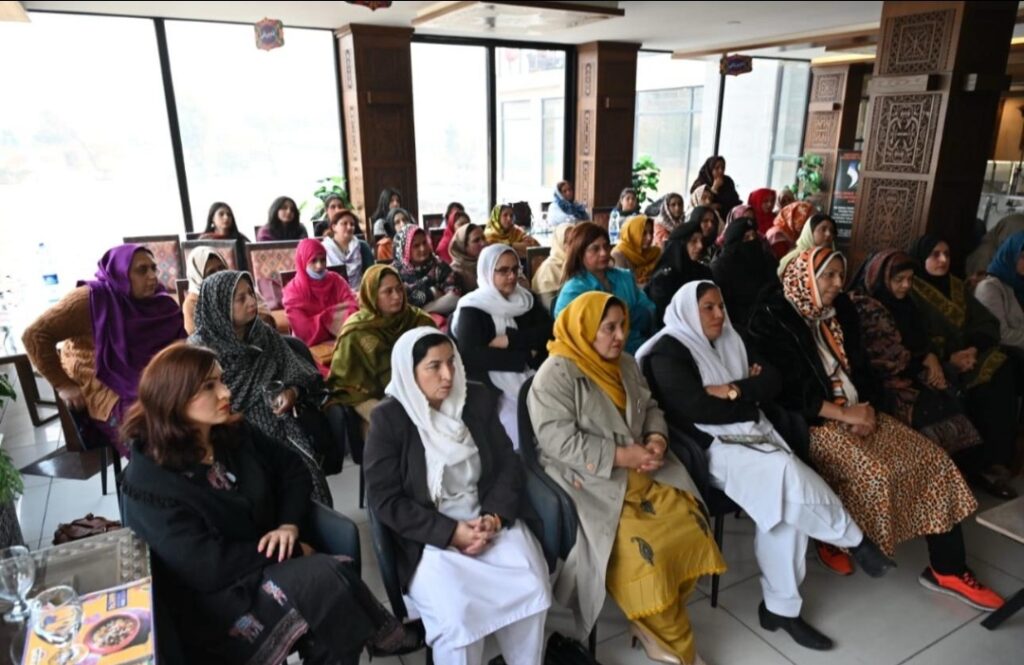 A central theme across both meetings was the growing concern over mental health stigma, particularly among young people and women. Ms Kazmi emphasised the urgent need to normalise conversations around mental health, noting that silence, social pressure and lack of awareness often prevent individuals from seeking timely support.
She highlighted suicide prevention strategies, stressing the importance of early intervention, school-based counselling, community awareness programmes and training educators to identify warning signs. Participants discussed how educational institutions and local organisations could play a proactive role in mental health education, peer support systems and referral mechanisms.
Ms Kazmi noted that addressing mental health challenges requires a collective, culturally sensitive approach, involving educators, families, religious leaders and policymakers. She underscored that investing in mental wellbeing is inseparable from broader goals of educational reform, gender equity and youth empowerment.
The meetings were described by participants as open, constructive and forward-looking, with a shared commitment to translating dialogue into action through future partnerships, training initiatives and community-based programmes.
Brilliance Foundation Inc., USA, through its international work, focuses on education, human rights, leadership development and community empowerment. Ms Kazmi’s visit to Muzaffarabad forms part of the organisation’s broader effort to strengthen cross-border academic and social collaboration, and to support locally driven solutions to global challenges such as mental health, gender inequality and youth development.
Kalsoom Kazmi holds consultations on education, youth and mental health in AJK
Hope 4 Humanity delegation visits Pakistan to map out free medical assistance initiative
From East London to Pakistan
By Amjad Mehmood Photos by Sultan Bashir
— In a move aimed at expanding community-level humanitarian support, Hope 4 Humanity (UK-registered charity) has partnered with a local Pakistani organization, YCDO (Youth Community Development Organization), to deliver free medical support for the most vulnerable segments of society, particularly those who remain unable to access essential healthcare due to poverty. According to both organizations, the collaboration is designed to reach individuals and families who are effectively excluded from basic treatment because of financial hardship. The initiative is being positioned as a practical, needs-driven response, focused on delivering medical assistance where formal access is limited and out-of-pocket costs have become prohibitive for low-income communities.
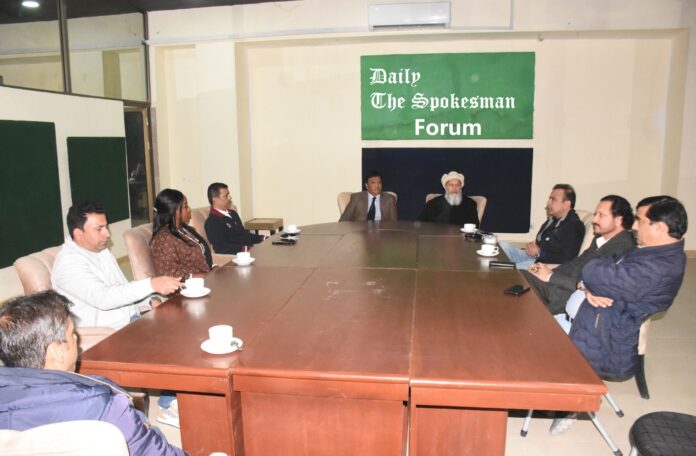
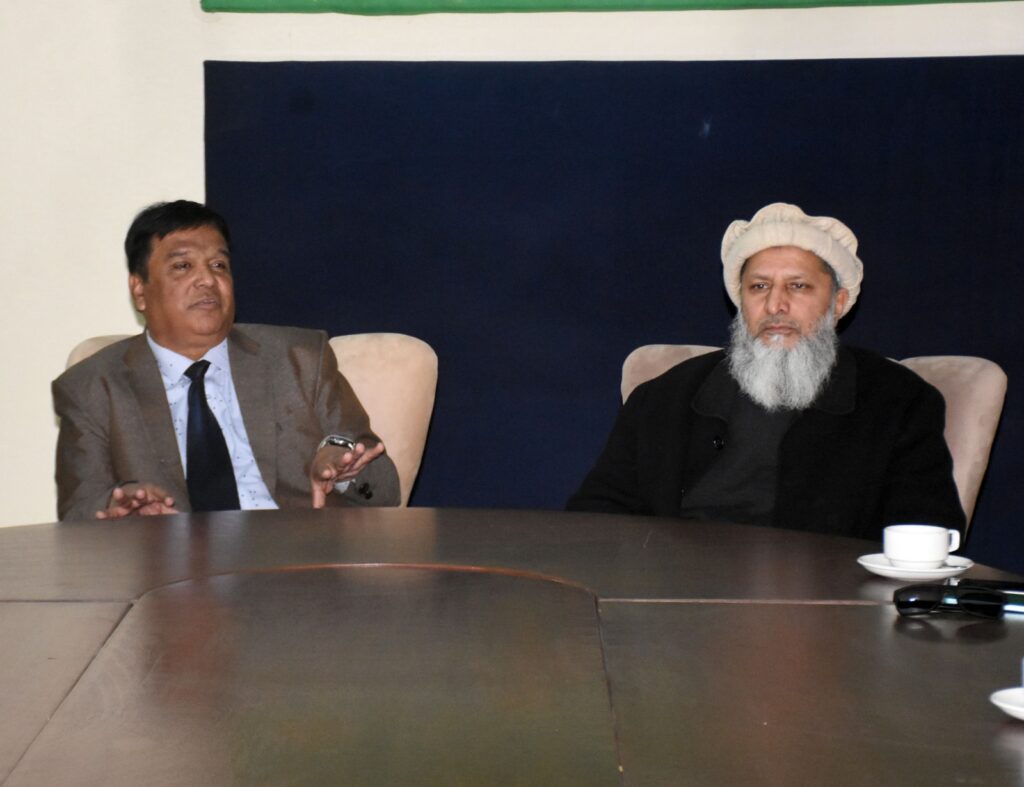 The partnership coincides with an official visit to Pakistan by Hope 4 Humanity, as the UK charity moves to extend its operations and explore a broader footprint in the country through local collaboration and on-ground assessment. The H4H officials visit is part of a wider engagement plan aimed at strengthening service delivery mechanisms in Pakistan, with YCDO supporting outreach and local coordination. As part of their engagements during the tour, Hope 4 Humanity officials Mr. Junaid Ali BEM (Head of Strategy) and Ms. Simone Thompson (Operational Manager) visited the office of The Daily Spokesman in Islamabad, following an invitation from the Editor, Mr. Naveed Ahmed Khan.
Mr. Junaid Ali BEM, founder of Hope 4 Humanity and a widely recognized British humanitarian has emerged as a leading voice in community welfare on both sides of the UK–Pakistan corridor, steering large-scale initiatives that range from the distribution of more than 150,000 food parcels in London to the provision of free welfare, housing and legal advice services, while also developing community hubs to support families through the cost-of-living crisis and extending humanitarian and medical relief to vulnerable communities in Punjab and Sindh; with a Pakistan humanitarian delegation scheduled for January 2026 focusing on youth empowerment, healthcare and rural development, he remains keen to engage on the challenges of community welfare, British Pakistani civic participation, youth responsibility, and the evolving portfolio of ongoing charity projects in the UK and Pakistan.
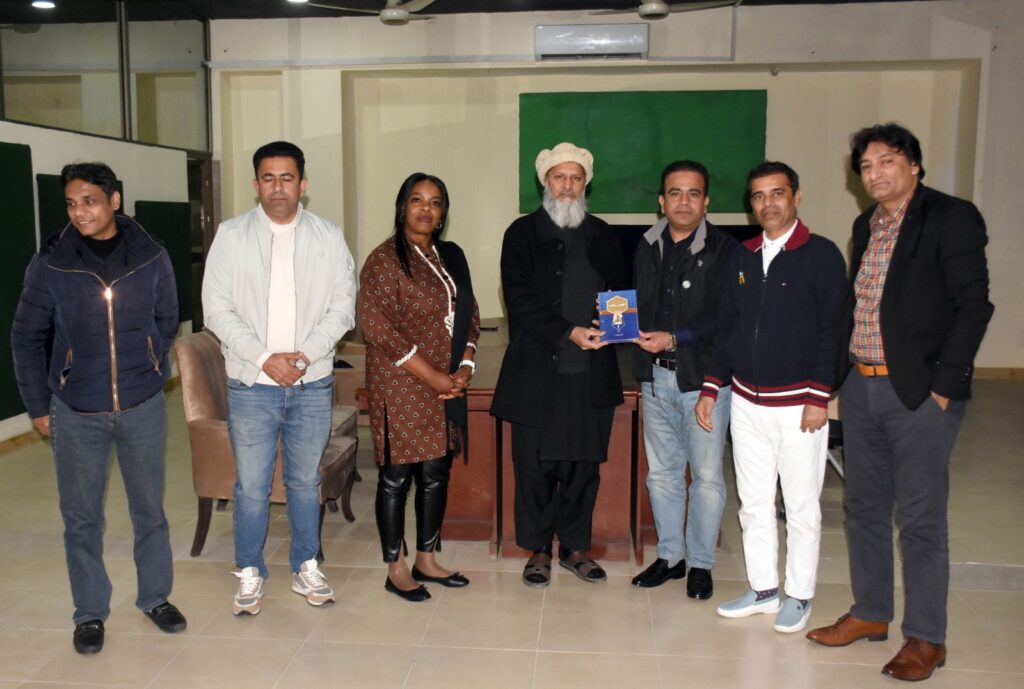
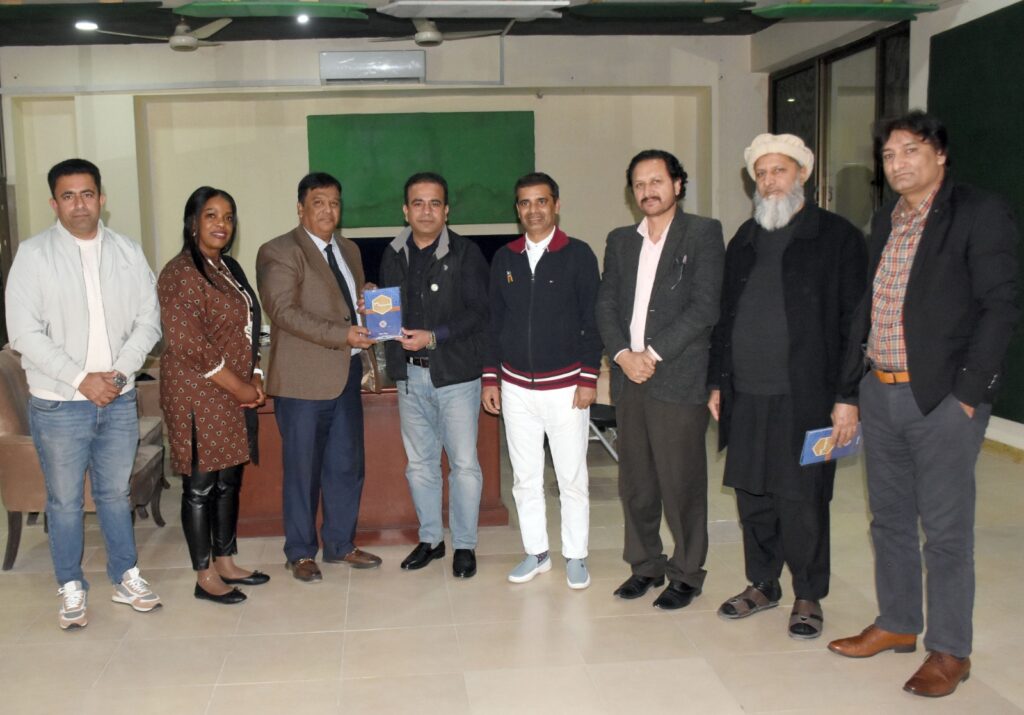
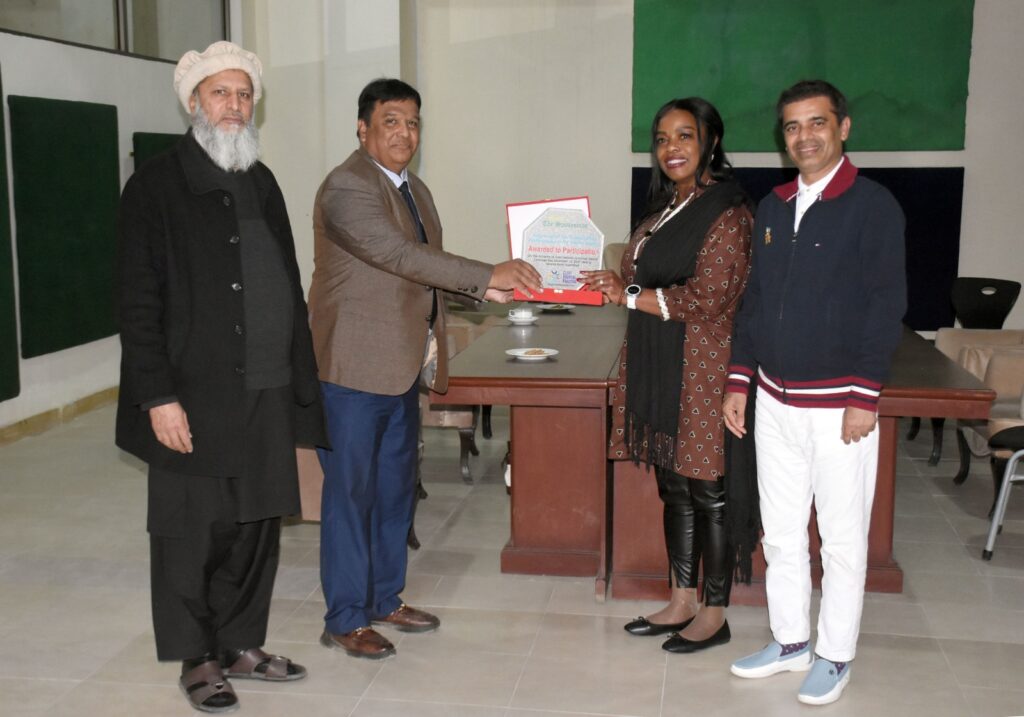
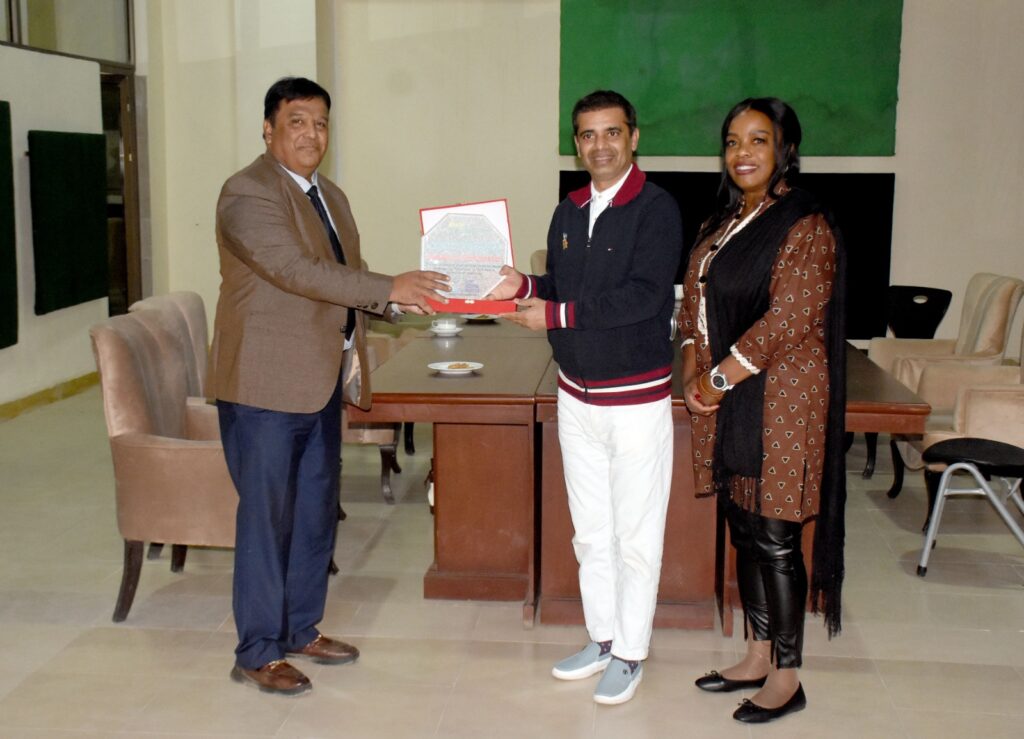
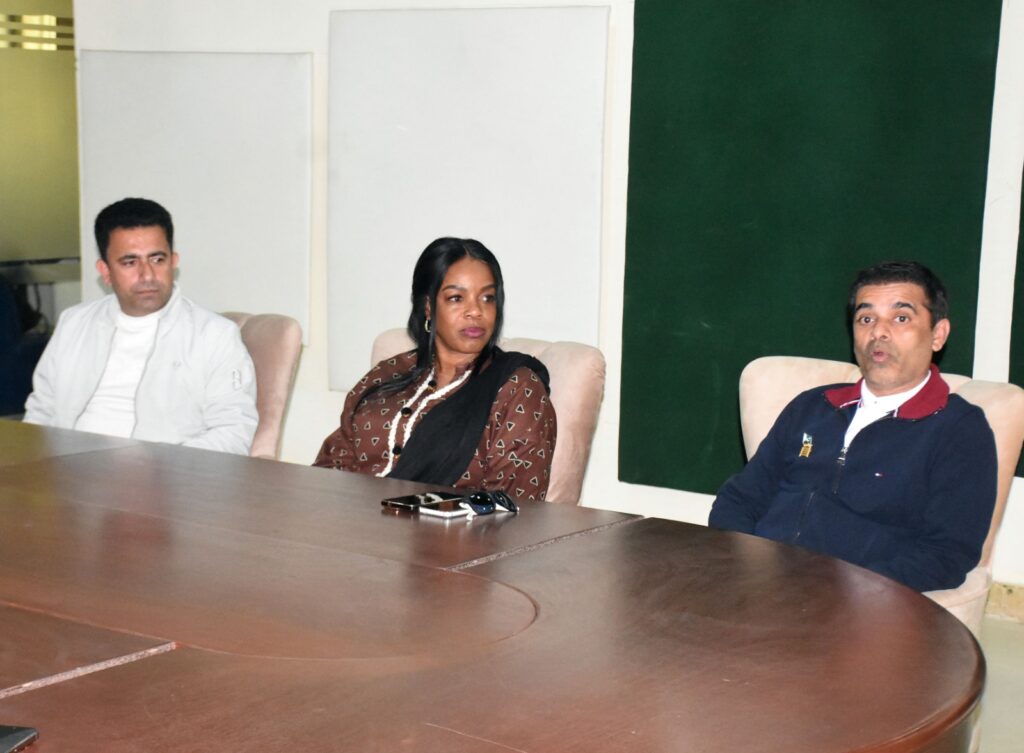 The visiting delegation was received by Mr. Naveed Ahmed Khan , Editor and members of The Daily Spokesman team, who extended a warm welcome and arranged a guided tour of the newspaper’s editorial and publication operations. The visit offered the guests an overview of the newspaper’s newsroom workflow, production process, and wider editorial functioning, an exchange framed by both sides as an opportunity to strengthen communication links between humanitarian work and public-facing reporting. In a goodwill gesture, Mr. Naveed Ahmed Khan presented a commemorative shield to the Hope 4 Humanity officials on behalf of The Daily Spokesman, acknowledging the organization’s visit and expressing appreciation for its humanitarian engagement.
Speaking on the occasion, Ms. Simone Thompson highlighted the newspaper’s overseas footprint, noting that: Daily Spokesman’s English news publications extend beyond Pakistan, with exclusive coverage in the United Kingdom and Europe. Her remarks were received as recognition of the publication’s international audience and its potential role in amplifying community-impact initiatives to a broader readership.
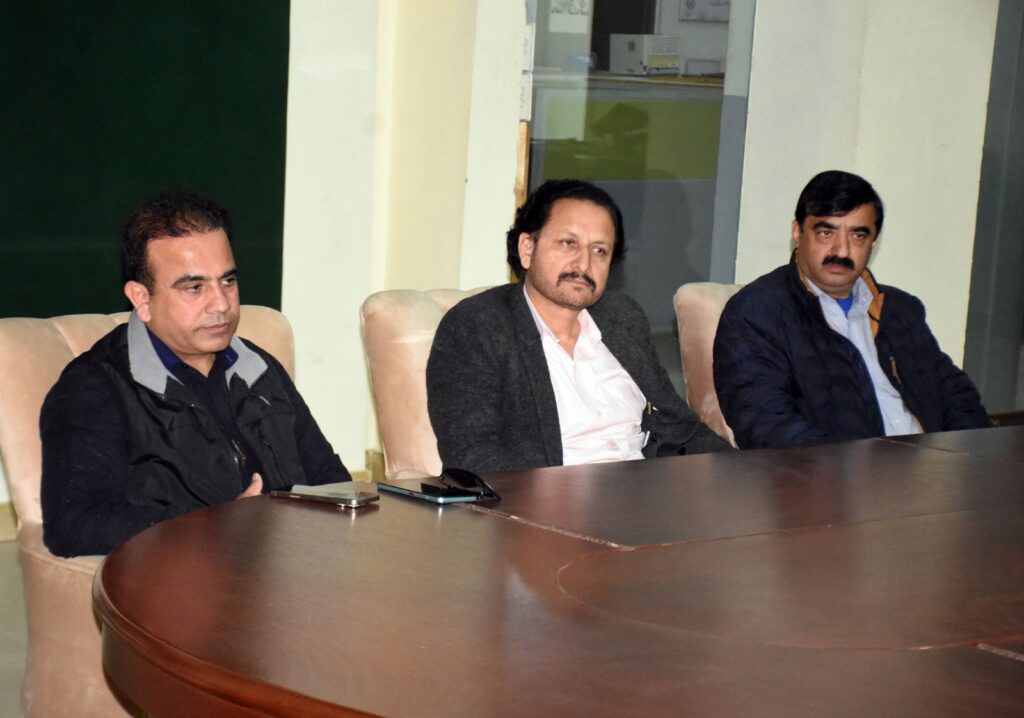 Participants described the meeting as reflective of a shared commitment to impactful communication and global outreach, underscoring how media coverage and humanitarian service can complement each other, one by delivering support on the ground, the other by ensuring visibility, accountability, and wider engagement across borders. With Hope 4 Humanity currently on an official tour and YCDO positioned as its local partner for medical assistance programmes, stakeholders expect further announcements regarding the scope, locations, and delivery framework of the planned free medical support. For communities most affected by poverty-linked health exclusion, the collaboration signals a timely intervention, one that aims to convert charitable intent into direct, accessible care.
In East London, where the pressure of rising living costs has turned everyday budgeting into a weekly calculation, “Hope4Humanity,” widely recognized by the public as “Hope 2 Humanity,” has established itself as a steady, community-facing presence for families and individuals living on the edge of hardship. From its base on Katherine Road in Newham, the organization operates with a simple but demanding mandate: respond quickly to a crisis, then stay alongside people long enough for that crisis to ease.
 Hope4Humanity is formally registered in the United Kingdom as Hope 4 Humanity Appeal and is also incorporated as HOPE 4 HUMANITY APPEAL LTD, a not-for-profit structure limited by guarantee and established on 7 October 2016 with three trustees and three volunteers, an indication of a lean set-up that relies on targeted expertise and practical delivery rather than a large administrative footprint. Yet the scope of its work is far larger than its size might suggest, shaped by the realities of modern deprivation where food insecurity, housing instability, legal complications, and mental strain frequently arrive together.
The organization’s day-to-day work is anchored in poverty relief, but its operational style goes beyond emergency handouts. Food support is the most visible entry point. Hope4Humanity reports distributing over a hundred thousand food parcels through its community initiatives, a figure that points to sustained operations rather than seasonal charity drives. In Newham and surrounding boroughs, the charity’s food support works through a networked model, aligned with local partners such as the Newham Food Alliance and organized across multiple distribution points, allowing donated supplies to be collected, sorted and redistributed to people who would otherwise go without. For many service users, the food parcel is also the doorway to stabilizing support. Alongside emergency provision, Hope4Humanity is known for offering practical guidance on welfare benefits, debt pressures, and housing pathways by connecting relief with advice.
 A distinctive feature of its service mix is the weekly law clinic, structured and predictable rather than ad hoc. Delivered with professional legal capacity, the clinic focuses particularly on family and immigration matters, including support relevant to asylum seekers. In communities where a single unresolved legal issue can block access to housing, employment, or benefits, such advice can be decisive.
The charity’s work with children and families is channeled through its Hope Assistance Family (HAF) programmes, which expand significantly during school holidays. In a period when many low-income households struggle to cover both meals and meaningful activity for children, the organization runs children’s holiday clubs and camps designed around healthy food, physical activity and safe, supervised environments.
Hope4Humanity’s community programming also extends into youth and women-focused engagement, using accessible sessions, ranging from fitness and wellbeing activities to creative and digital media exposure to build confidence, participation and social inclusion. These activities serve a dual purpose: they provide constructive routines and supportive spaces while strengthening community bonds in areas often marked by isolation and economic strain.
 As winter pressures deepen across the UK, the charity has also developed a practical response to the cost-of-living crisis through “Warm Havens” initiatives, safe indoor spaces offered in coordination with council-linked partners. The model is straightforward: provide a warm, welcoming environment during the cold season, coupled with meal support, including takeaway provision on Saturdays and indoor meal arrangements on Sundays at Katherine Road locations.
The organization’s preventive-health work includes targeted interventions for older residents, such as free vitamin D supplementation for Newham residents aged 60 and above, reflecting an effort to address vulnerability before it escalates into avoidable health decline.
 While its strongest visibility remains rooted in East London, Hope4Humanity has also built a humanitarian outreach profile beyond the UK, including relief work in Pakistan. The organization has been active in flood-affected areas of Punjab and Sindh, as well as in Naran in Khyber Pakhtunkhwa, and it has articulated ambitions to expand its presence further, seeking to establish operations across all four provinces of Pakistan and extend services into Sri Lanka and Bangladesh, with particular emphasis on youth upskilling through education programmes developed in collaboration with relevant authorities.
Behind these operations is a compact team structure that reflects functional priorities: community coordination, legal expertise, and public communication. Senior coordination is led by Jackie Hoolas, whose background in youth social work aligns with the organization’s family programming; legal services are strengthened through Amer Manzoor, a Solicitor of England and Wales specializing in family, immigration, asylum and human rights; and media outreach is supported through Syed Ikram Hussain (Meer Ikram), an experienced journalist and analyst with extensive broadcast and Urdu media experience.
In a time when many organizations are judged by branding as much as delivery, Hope4Humanity’s identity is shaped more by repeat service than occasional visibility, food parcels that arrive week after week, legal advice that runs on a fixed schedule, warm community spaces that open through the winter, and youth programmes that fill the gaps where hardship often hits hardest.
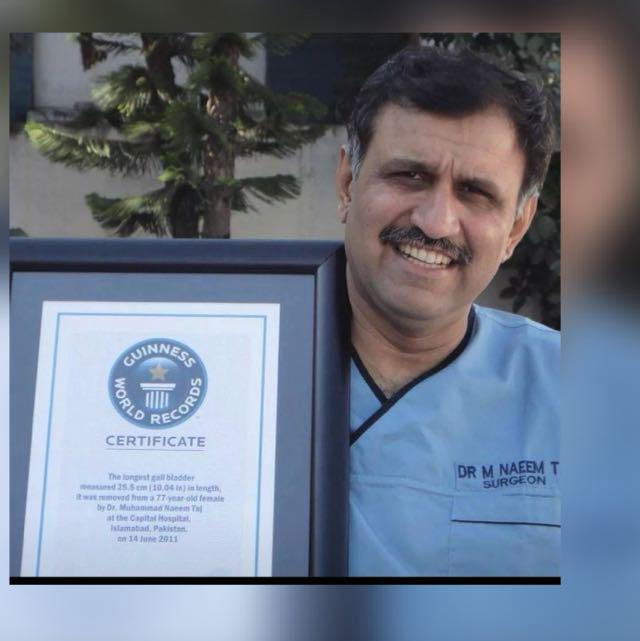
Guinness World Record Holder Dr. Naeem Taj charts a life of Skill, Service & Standards
A HEART OF COMPASSION & A SPIRIT OF PASSION
By Amjad Mehmood
—Confident, articulate, and quietly assured, Dr. Naeem Taj, son of the late Colonel Taj Muhammad, a pioneer of Pakistan Army Signals whose legacy is enshrined at the Military College of Signals, Rawalpindi, through the naming of the TM Block in his honor, speaks of a life shaped by both ambition and discipline, recalling a defining crossroads where his twin passions, cricket and academics, demanded a single choice: pursue the game professionally or commit to medicine, a decision he ultimately sealed in favor of medical education when he joined Quaid-e-Azam Medical College, Bahawalpur, in 1985.
Mr. Naeem built his name in competitive cricket before medicine became his formal path, featuring at the Under-19 level and in major domestic tournaments, including the Quaid-e-Azam Trophy and the Wills Cup, performances that earned him recognition and selection for the Pakistan camp. One of the most memorable chapters of that journey, he recalls, was a side match against the Sri Lankan team in which he claimed the wicket of their celebrated batsman, Arjuna Ranatunga, a moment he still describes as a defining highlight.
Cricket, in many ways, ran through the family. His elder brother was also a known cricketer on the domestic circuit, while his sister chose the medical profession, an early reflection of the household’s blend of competitive ambition and academic discipline. At the center of it all stood his father, Colonel Taj Muhammad, who did not impose a career decision but allowed his son to choose freely, offering only a quiet principle: the respect earned by doctors grows over time because their work is service to humanity.
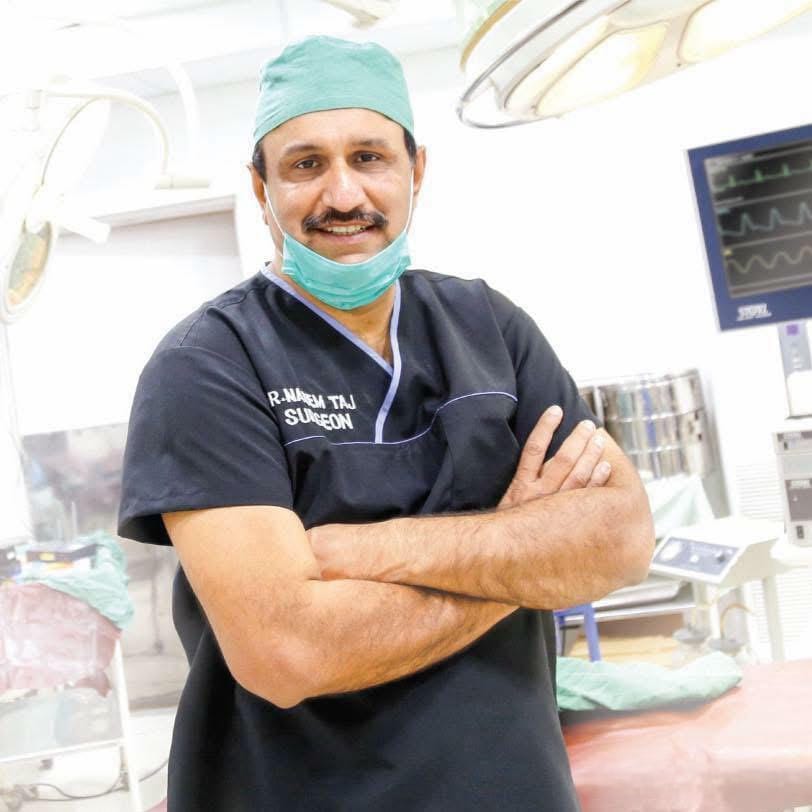 Even after joining a medical college, Mr. Naeem did not abandon the game. He became part of the Bahawalpur cricket team and, through consistently strong performances, quickly emerged as one of its standout players. He remembers one incident from those years with particular clarity: concerned that cricket might dilute academic focus, his Principal wrote to his father requesting support to steer him toward studies alone. The reply came back firm yet reassuring—his son, Colonel Taj Muhammad, wrote, was focused and fully capable of achieving his goals. For Mr. Naeem, that vote of confidence became a lifelong anchor, strengthening his resolve and helping him remain among the top-performing students throughout his MBBS years.
The Daily Spokesman has arranged an exclusive interview with one of Pakistan’s most renowned Laparoscopic and Bariatric surgeons, who has twice named in the Guinness Book of World Records, to chronicle his personal and professional journey and present it for the public’s knowledge and inspiration. Dr Naeem Taj earned his MBBS and FCPS qualifications in Pakistan, and later pursued advanced credentials abroad, completing FRCS in the United Kingdom and FACS in the United States.
After completing his MBBS, Dr. Naeem Taj began his house job at Polyclinic Hospital, Islamabad, in 1991, while during the same year, he performed a successful appendectomy, a moment his father marked with pride by informally bestowing on him the title of “surgeon.” Not long after, his father passed away due to renal failure, an event Dr. Naeem describes as the turning point that transformed medicine from a career into a commitment. He credits his late father for instilling the principles and confidence that continue to shape his professional life.
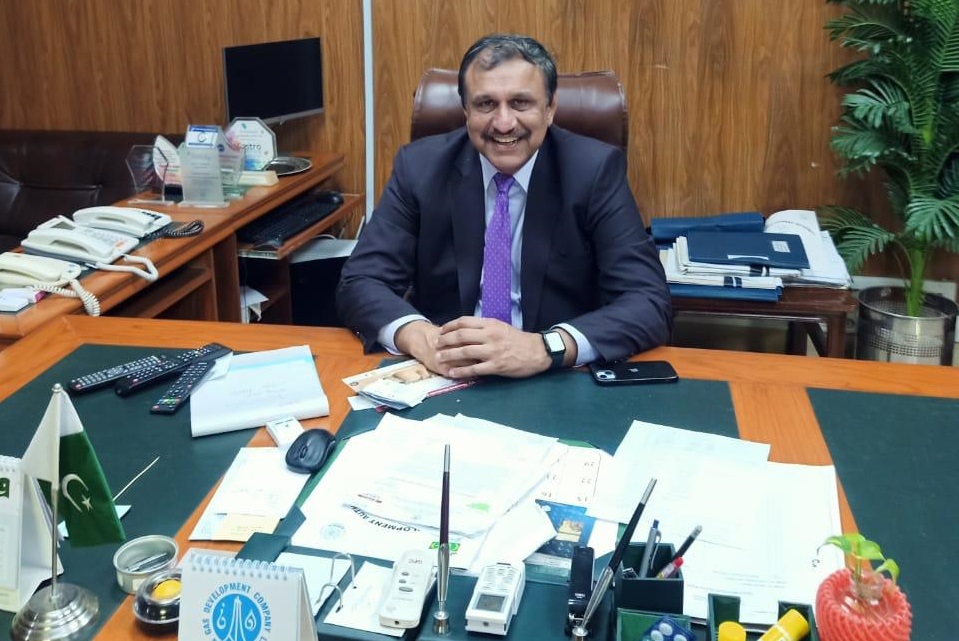 Following house job, Dr. Naeem joined Fauji Foundation Hospital, Jhelum, where he served for two years and cleared FCPS Part-I, an achievement he notes with particular satisfaction, given the common perception that the hospital was not a typical pathway toward higher qualifications. He later moved to Fauji Foundation Hospital, Rawalpindi, where he secured his early promotions before taking a decisive step in his training journey.
In 1996, driven by a deliberate pursuit of high-volume clinical exposure, he joined Rawalpindi General Hospital (RGH), now known as Shaheed Benazir Bhutto Hospital, and served there until 2006. He describes the hospital’s government setup as austere, with limited facilities but an extraordinary patient load under demanding senior supervision. Yet he chose it willingly, regarding it as an unmatched environment for surgical learning. He recalls that in the late 1990s and early 2000s, RGH functioned as the primary receiving center in the division for emergencies, including bullet injuries, road traffic accidents, stabbing cases, and other critical trauma. In those early years, he says, surgeries ran around the clock. It was in that relentless theatre schedule, he believes, that his skills were refined into consistency and precision, work that earned recognition from senior colleagues for dependable outcomes and disciplined technique.
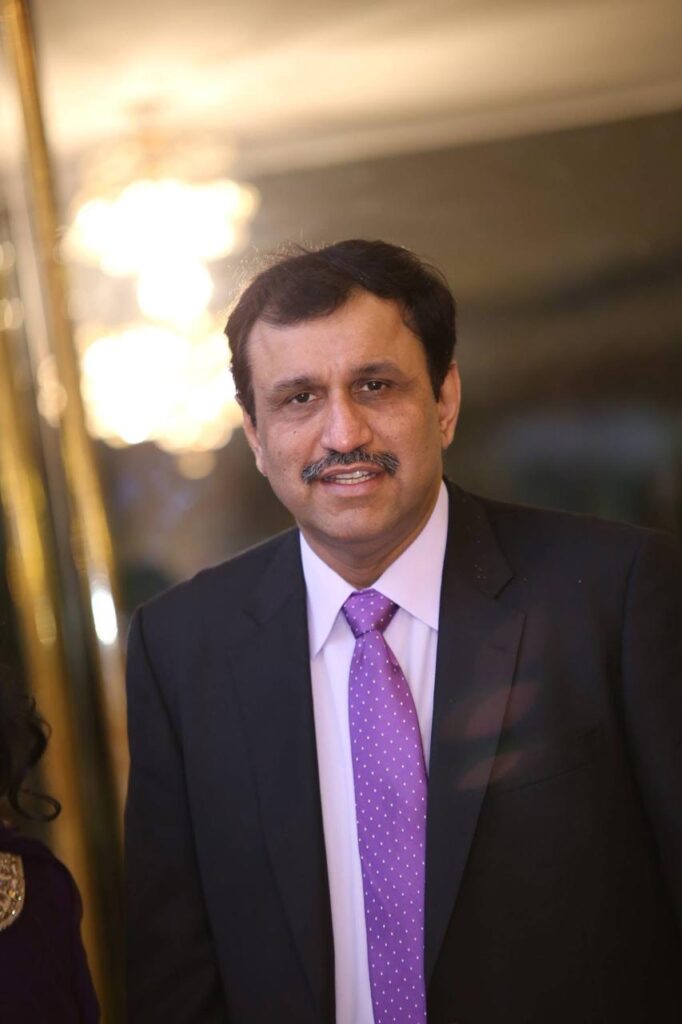 Reflecting on his decade-long stay at Rawalpindi General Hospital (RGH), Dr. Naeem Taj describes it as the most defining phase of his surgical formation in which he absorbed rigorous training from senior mentors and, in turn, passed those skills on to junior doctors. He completed his specialist qualification with commendations from examiners and began mastering laparoscopic surgery at a time when the technique was still new to Pakistan’s clinical landscape.
During his RGH tenure, he rose through the academic ranks, earning promotions from assistant to associate professor, as his standing in the medical community grew steadily. With his reputation spreading beyond the public sector, private hospitals and clinics actively sought his services, an interest that eventually extended to the Capital Development Authority (CDA) Hospital, which he joined in 2006. Among the episodes he recalls from those high-pressure initial years at CDA Hospital, where he completed a surgery under emergency conditions, using a mobile phone’s light after a power failure, an illustration, he suggests, of the improvisation and resilience that often define care in resource-constrained settings.
In October 2024, Dr. Naeem Taj was appointed Executive Director of CDA Hospital, Islamabad, a role he describes as carrying full institutional backing from the CDA Chairman and senior management to modernize the hospital and raise service standards for the public. Within his first year, he steered the hospital toward recognition as an authorized center for postgraduate (PG) training, facilitating inspections and engagement with relevant regulatory bodies. He informed that about 40 doctors have completed specialist training and are serving at the hospital, while 25 PG trainees are currently enrolled. Dr. Naeem said doctors and staffing shortages were addressed through merit-based recruitment, enabling expanded clinical capacity and continuity of care. He further stated that key services have been strengthened or made fully functional, including OPD and emergency care, pediatrics, cardiac surgery, stenting-related services, a stroke center, diabetes clinics, a day-care center, and chronic care OPD. He added that allied support services, such as on-site pharmacy and patient amenities including a mosque and canteen, have been organized to better serve patients and attendants.
He also highlighted initiatives aimed at clinical innovation and public outreach, including an Obesity Week that brought together national and international specialists, with live surgical procedures supported through sponsorship to benefit underprivileged patients. Among the hospital’s reported milestones, he cited the establishment of a colorectal surgery department, described as the first of its kind at the facility and the introduction of bariatric surgery for weight loss. He noted that the hospital now has specialist coverage across critical disciplines, including neurosurgery, spinal surgery, anesthesia, and gynecology, and said the institutional focus has shifted decisively toward quality and standardized care.
“After five years of specialization, a doctor learns how to operate; after ten years, he learns when to operate; and after twenty years of experience, he finally understands when not to operate.” ——says Dr. Naeem Taj
Looking ahead, Dr. Naeem Taj said proposals are under consideration to introduce private clinic services within the hospital, intended to improve financial sustainability while enhancing service delivery for residents of the twin cities. He also outlined plans to move toward paperless and cashless operations, aiming for greater transparency, efficiency, and environmental responsibility. In addition, he stated that CDA Hospital is offering house jobs to medical graduates on open merit, aligning early-career training with a broader agenda of accountable, public-centered healthcare delivery.
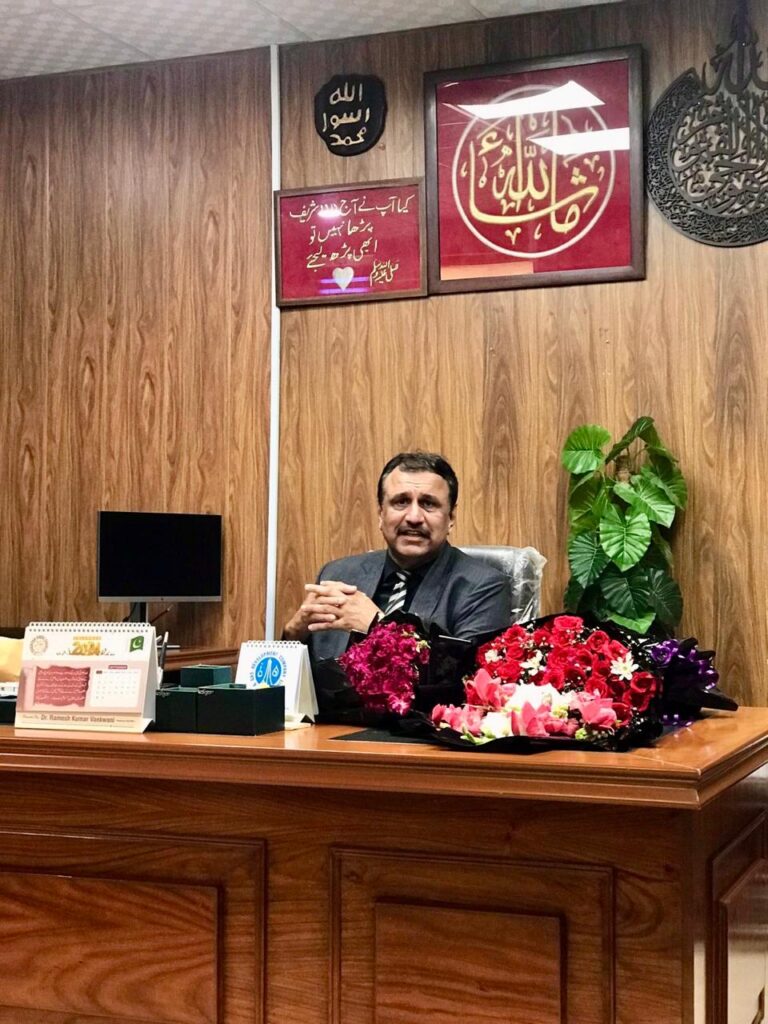 Discussing his expertise in minimally invasive surgery, Dr. Naeem Taj said that for nearly a century, traditional open procedures dominated surgical practice, until the late 1980s when minimally invasive techniques powered by rapidly advancing technology began to transform the medical landscape. With proper training and experience, he said, surgeons can offer patients clear advantages with less pain, smaller incisions, faster recovery, and an earlier return to normal life. He added that the field is now moving steadily toward robotic surgery in developed healthcare systems, and that the future of surgery will be defined by greater precision and improved outcomes.
He explained that he routinely travels abroad to learn emerging techniques and incorporate them into his practice in Pakistan. However, he stressed that surgical mastery has no shortcuts; it is refined through time in the operation theatre and through a disciplined, step-by-step learning process that develops both technical competence and sound clinical judgement. In this journey, he said, senior surgeons remain an invaluable resource for young doctors just as he learned from his own mentors before building his skills and reputation through sustained effort. Concluding his remarks, he emphasized that medicine is not a business but a service that demands care, compassion, and a commitment to easing patients’ suffering through responsible and ethical treatment.
Addressing ways to strengthen Pakistan’s healthcare system, he argued that the country needs an integrated, tiered structure from primary to secondary care rather than parallel arrangements that distort patient flow and overload facilities. He stressed that experienced, well-trained senior doctors form the backbone of an effective system and should be treated as key stakeholders in policy design so that decisions reflect clinical realities rather than administrative assumptions. Pointing to models in developed countries, he cautioned that health policy cannot be run by “yes-men” alone; it requires competent leadership, evidence-based planning, and genuine stakeholder participation. He further emphasized that training and continuous monitoring are essential pillars of a functioning health system. Warning of the public health burden ahead, he said that Pakistan is rapidly rising in rankings for diabetes and cardiovascular diseases, trends that will become far more difficult to manage without stronger prevention, early intervention, and system-wide capacity.
Commenting on the spread of unqualified practitioners and quackery in Pakistan’s health sector, he urged the public to avoid non-professional treatment and seek care from properly trained, skilled doctors. He cautioned that delaying appropriate medical attention can allow disease to worsen, turning a manageable condition into a clinical challenge and, in some cases, a life-altering nightmare.
Drawing on his experience as a bariatric surgeon, Dr. Naeem Taj added that cosmetic procedures such as tummy tucks are not substitutes for sustainable medical weight-loss solutions. He also warned against the unsupervised or inappropriate use of weight-loss injections such as Ozempic (semaglutide), noting reports of serious adverse effects internationally, and advised that patients with diabetes and a BMI above 30 should consult an experienced specialist to assess whether bariatric surgery is the safer long-term option for preventing future complications.
Advising young doctors, he emphasized that sincerity and hard work must be matched with meaningful time spent with patients, strong communication skills, and sound clinical knowledge. He stressed the importance of developing competent surgical technique where relevant, and of treating every patient with the same care and responsibility one would extend to a family member. Above all, he concluded, an unhurried approach, professional attitude, and empathy are essential foundations for lasting success in the medical profession.
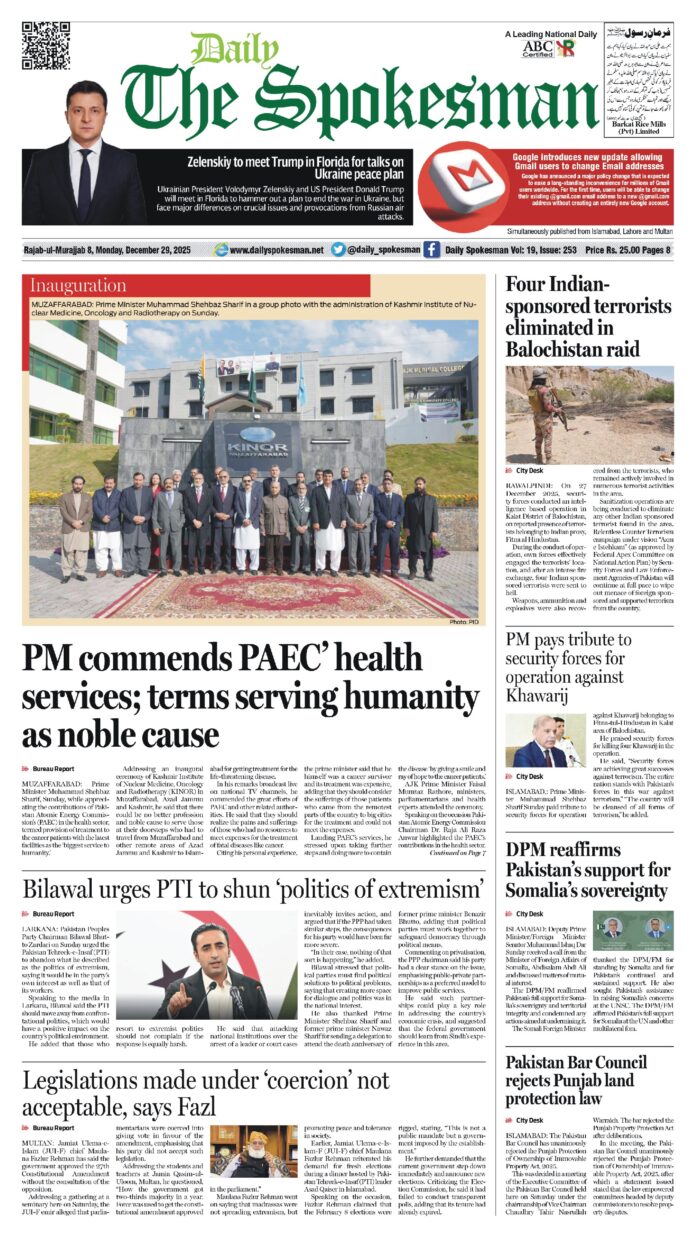
PM commends PAEC’ health services; terms serving humanity as noble cause
Bureau Report
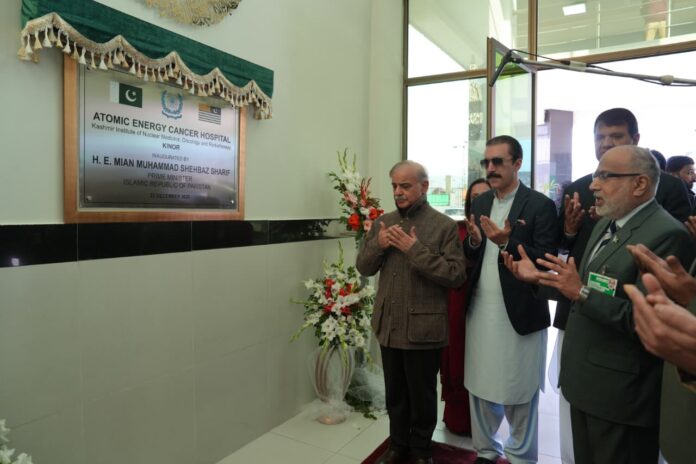
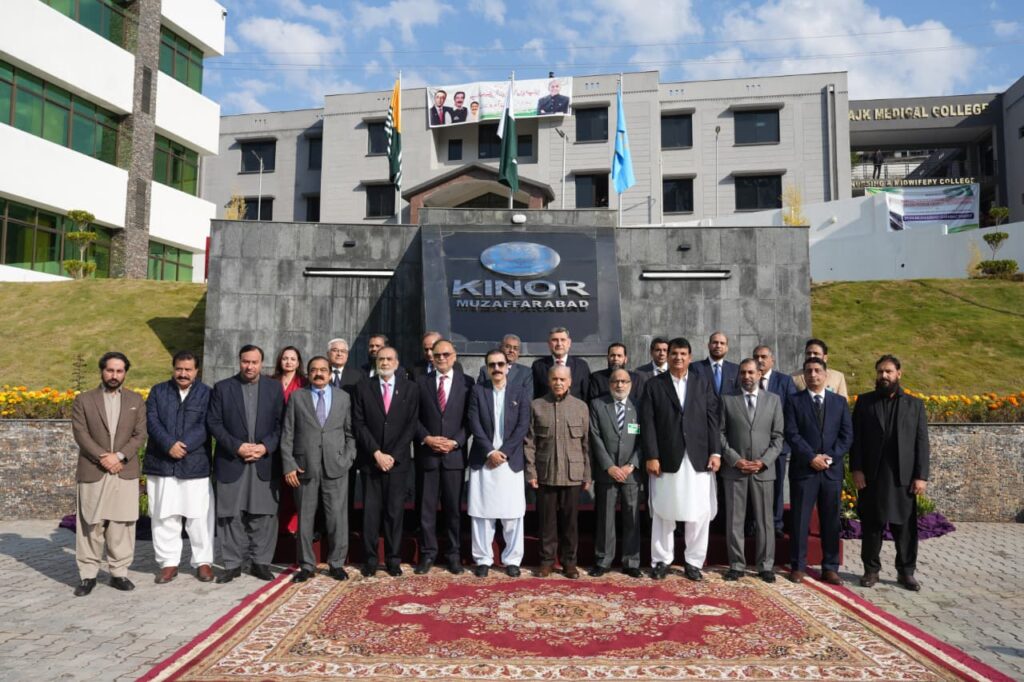
Muzaffarabad:Prime Minister Muhammad Shehbaz Sharif, Sunday, while appreciating the contributions of Pakistan Atomic Energy Commission’s (PAEC) in the health sector, termed provision of treatment to the cancer patients with the latest facilities as the ‘biggest service to humanity.’
Addressing an inaugural ceremony of Kashmir Institute of Nuclear Medicine, Oncology and Radiotherapy (KINOR) in Muzaffarabad, Azad Jammu and Kashmir, he said that there could be no better profession and noble cause to serve those at their doorsteps who had to travel from Muzaffarabad and other remote areas of Azad Jammu and Kashmir to Islamabad for getting treatment for the life-threatening disease.
In his remarks broadcast live on national TV channels, he commended the great efforts of PAEC and other related authorities. He said that they should realize the pains and sufferings of those who had no resources to meet expenses for the treatment of fatal diseases like cancer.
Citing his personal experience, the prime minister said that he himself was a cancer survivor and its treatment was expensive, adding that they should consider the sufferings of those patients who came from the remotest parts of the country to big cities for the treatment and could not meet the expenses.
Lauding PAEC’s services, he stressed upon taking further steps and doing more to contain the disease ‘by giving a smile and ray of hope to the cancer patients.’
AJK Prime Minister Faisal Mumtaz Rathore, ministers, parliamentarians and health experts attended the ceremony.
Speaking on the occasion Pakistan Atomic Energy Commission Chairman Dr. Raja Ali Raza Anwar highlighted the PAEC’s contributions in the health sector.
The Enemy Within — and the American Habit of Fixing It
War Secretary Pete Hegseth’s recent address to defense-industry leaders began not with warnings about China or Russia, but with a stark admission that the gravest threat to American military readiness comes from inside the Pentagon itself — not the people, he stressed, but the entrenched acquisition bureaucracy that governs them. He described this culture as one of centralized planning and rigid five-year cycles that choke innovation, punish initiative, and turn paperwork into a substitute for performance. For a moment it sounded as though he were describing the old Soviet system or the Chinese Communist Party — until he delivered the line that made the room fall silent: the adversary, he said, is the Pentagon’s process.
Hegseth’s critique echoed a warning first delivered a generation ago by Donald Rumsfeld, who argued that the Pentagon risked becoming so slow, so complex, and so resistant to change that it could no longer respond to the real world. Two and a half decades later, Hegseth believes the problem has not evaporated — it has deepened. Deadlines are missed. Costs escalate. Layers of oversight multiply. And somewhere between offices, committees, forms and reviews, wartime urgency is lost. Worse still, the defense industry adapts to this environment, finding profit in delay rather than delivery, and learning that risk-taking is punished while caution is rewarded.
Yet the real story here is not simply about dysfunction. It is about something profoundly American — the willingness to confront problems openly rather than hide them. Hegseth’s speech is not merely a complaint about slow systems. It is the latest expression of a structural truth about the United States: this country remains powerful not because it is flawless, but because it possesses built-in mechanisms of reform, criticism and self-correction. When processes fail, leaders say so. When systems slow, they are publicly challenged. When institutions fall behind reality, the political and administrative machinery eventually pushes them forward again.
That culture of internal inspection is loud, messy and often uncomfortable. Democrats reform institutions in one way, Republicans in another. They criticize each other, undo each other’s work, and reshape systems again. But the result, over time, is not paralysis. It is continuous institutional evolution. That is why the U.S. military still fields the most capable force in the world. That is why the defense-industrial base, despite its flaws, still produces unmatched innovation. And that is why American universities, laboratories, companies and alliances continue to set global standards.
Hegseth followed his words with action, signing directives to streamline acquisition, break bottlenecks inside each service branch, expand surge manufacturing capacity, and unify arms-transfer authorities so that U.S. weapons reach allies faster when approved. The message was clear: process must once again serve readiness, not the other way around. Capability must matter more than compliance. And the system must be restored to wartime speed, not remain trapped in peacetime ritual.
Your central observation sits at the heart of this development. The United States has something many other nations lack — the courage and institutional space to admit fault and correct course. Authoritarian states bury failure, silence critics and falsify results. America argues, audits, investigates, legislates and reforms. This is not weakness. It is the only strength that survives history. It is the reason the country remains at the top of science, technology, defense, education, finance, diplomacy and culture, despite the demands and contradictions of global leadership.
Yes, American weapons feature in conflicts around the world — and that reality sparks intense ethical, strategic and humanitarian debate. But unlike systems that suppress dissent, the United States allows these debates to unfold in Congress, the press, universities, think tanks and courts. Excesses are scrutinized, decisions questioned, policy direction contested. It is an open-loop feedback system — sometimes slow, sometimes painful, but always alive.
In that sense, Hegseth’s speech is not an admission of decline. It is a reminder that a nation remains strong only as long as it remains honest with itself. When the machine jams, it must be repaired. When culture hardens into ritual, it must be shaken. When systems fall behind events, they must be dragged forward — not once, but repeatedly, across generations. The United States has done this again and again. That is why it still leads.
If America’s greatest adversary sometimes lies within its own bureaucracy, then its greatest strength lies there too — in the constant habit of self-examination, internal checks and balances, and relentless renewal. Other powers deny failure. America fixes it. And as long as that instinct endures, the nation will remain — loudly, imperfectly, but decisively — at the top of the world.
The writer is Press Secretary to the President (Rtd),Former Press Minister, Embassy of Pakistan to France,Former Press Attaché to Malaysia and Former MD, SRBC. He is living in Macomb, Michigan, USA
How Pakistan’s Military Diplomacy Reshaped South Asian Influence in 2025
FO hands over demarche to UK’s acting HC over threat against Field Marshal

Spokesman Report
Islamabad: Pakistan has formally lodged a protest with the United Kingdom after a video circulated online showed threats and incendiary slogans against Chief of Defence Forces and Chief of Army Staff, Field Marshal Syed Asim Munir, during a protest outside the Bradford Consulate.
The Foreign Office summoned the British acting high commissioner in Islamabad on Friday and handed over a demarche, expressing serious concern over the incident and seeking action against those involved, sources said.
The protest was staged by Pakistan Tehreek-e-Insaf (PTI) supporters two days ago. A video shared on PTI London’s official X account showed participants chanting slogans against the army chief, with one speaker allegedly issuing threats suggesting he should be killed in a car bomb attack.
In the written protest, Pakistan said British soil had been used to incite violence against a serving Field Marshal of the Pakistan Army, describing the act as unacceptable and dangerous, the sources added. Islamabad urged the UK government to investigate the matter and take action against what it termed “mischievous elements.”
The Foreign Office emphasised that freedom of expression should not be used as a cover for threats of violence or hate speech, and expressed the expectation that the UK would uphold its laws to prevent such acts, they added.
Meanwhile; A British High Commission spokesperson said “UK police and prosecutors operate independently of government. Where a foreign Government believes a crime has been committed, they should provide all relevant material to their UK police liaison. Any material that appears to break UK law will be reviewed by the police and may lead to a criminal investigation.”