News Desk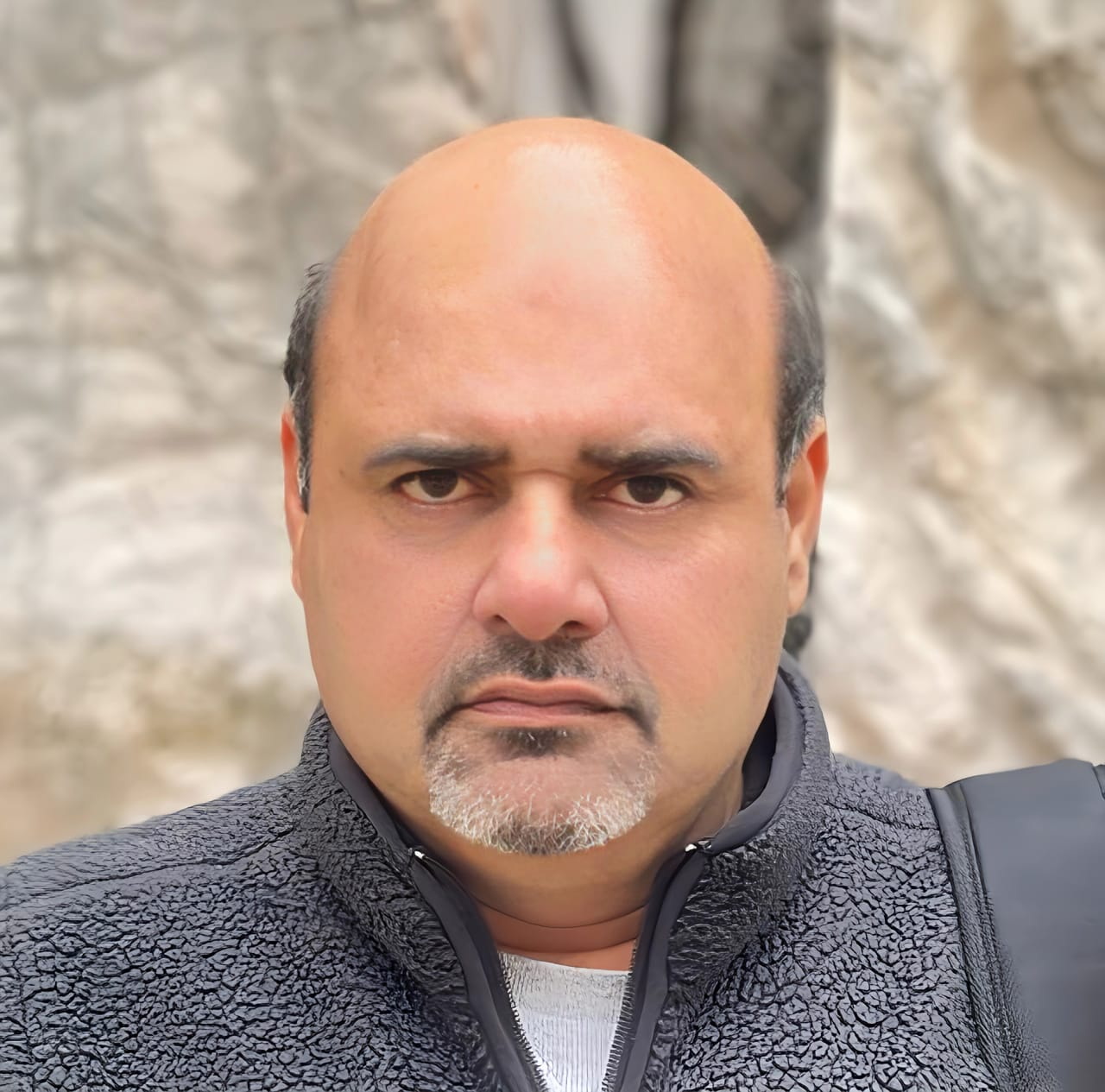
The Pakistan Petroleum Dealers Association (PPDA) said on Sunday that oil price liberalisation will lead to the full monopoly of a foreign company on lifeline energy resources.
It is not in the national interest to frame policies that will lead to full control of an influential foreign oil corporation over Pakistan’s fragile oil market, it added.
Talking to the petroleum dealers, Hassan Shah, a member of the PPDA executive committee, said that in the event of deregulation, Saudi Aramco will gradually have a full monopoly on the oil market in Pakistan.
Pakistani oil refineries do not have the financial strength to compete with Saudi Aramco, and they will have no other option but to shut down, he added.
He underlined that wiping out any chance of competition and leaving the country at the mercy of a single entity is not in the national interest.
Hassan Shah said that because of wrong decisions, consumers will ultimately end up paying higher prices, instead of enjoying any perks of the free market.
On the macroeconomic end, the move would cause unheard-of inflation and exchange rate erosion, causing irreversible damage to the faltering economy as well.
Hassan Shah stated that no one should have unrestricted power to control fuel prices, which would lead to an economic catastrophe because the local oil market is highly unstable.
Shah said that the central bank should analyze how deregulation affects inflation and currency value, and the prime minister, finance minister, and interior minister should look into the matter.
Moreover, since oil is vital to national security, the Ministry of Defence must assess the strategic impact of such moves.
He stated that we should not allow situations like those in Sri Lanka to appease influential business groups at the expense of the masses and the country.
According to Hassan Shah, the deregulation would result in a constant rise in oil prices under a variety of pretexts, which would be detrimental to both the public and businesses.
He explained that western countries have adopted free market fuel pricing after guaranteeing a smooth supply curve. They can handle supply chain disruptions because they have months of fuel in reserve.
However, Pakistan cannot keep reserves for 15 days. Shortages and dryouts occur almost monthly, especially in smaller cities. Under these situations, only strict regulation prevents refineries, OMCs, and outlets from raising fuel prices.
A free hand to exploit defenceless consumers would destabilise the market, affecting the price of virtually everything. The fuel demand curve is almost perfectly inelastic in nature.
He demanded that the government must reject the idea of deregulating oil prices because it would destroy the country.