News Desk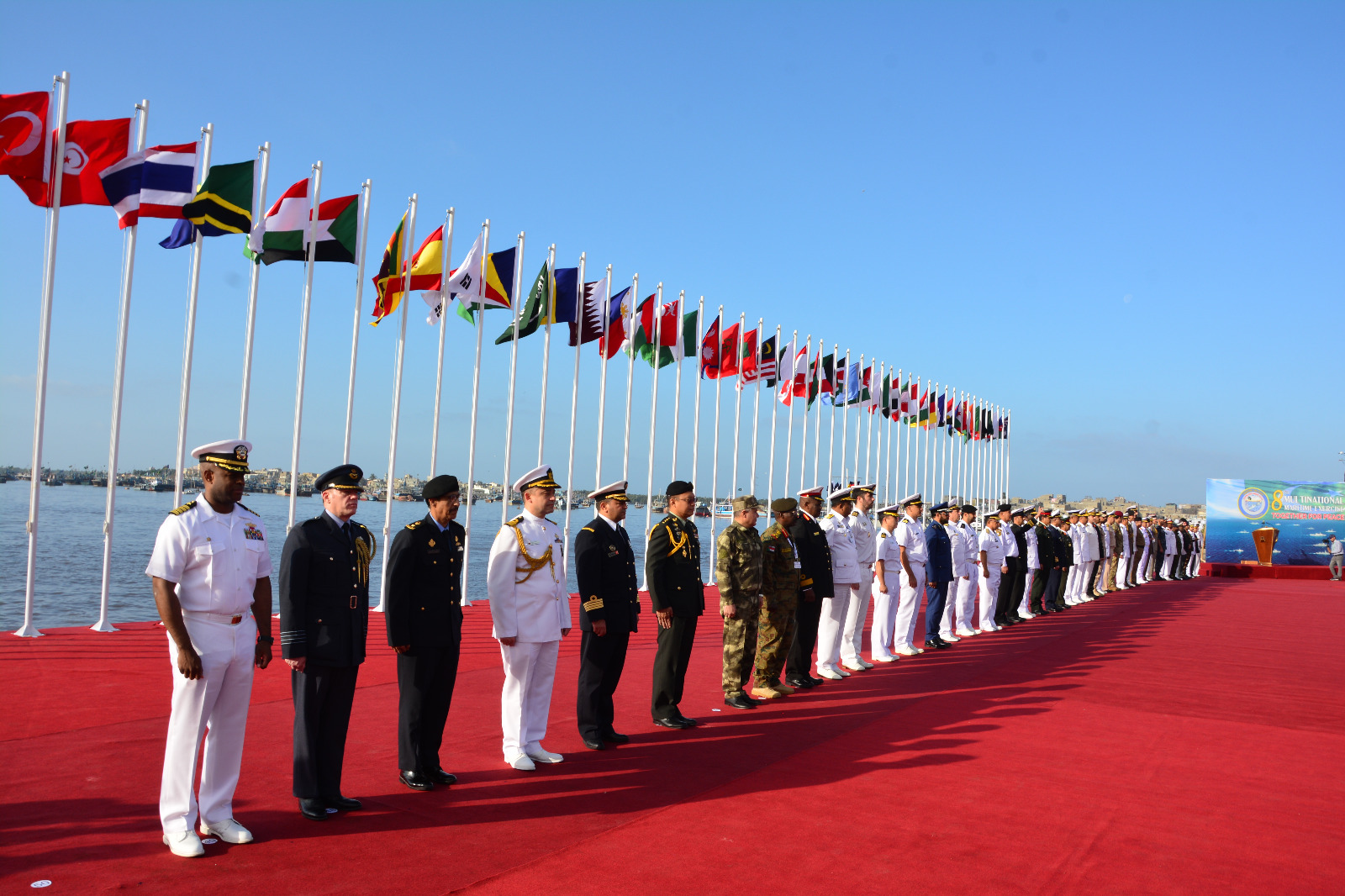
Dr. Hasan Yaser Malik
The world’s oceans have always been a critical arena for geopolitical competition, trade, and security. In the 21st century, maritime geopolitics has gained renewed importance as nations vie for control over strategic sea lanes, resources, and influence. Against this backdrop, multinational naval exercises like AMAN-9 play a pivotal role in shaping the dynamics of maritime security and cooperation. Hosted by Pakistan, the AMAN-9 exercise, will be in February 2025, brought together navies from across the globe, underscoring the interconnected nature of maritime challenges and the need for collaborative solutions for global peace.
Key Objectives of AMAN Exercises
Promote Regional Cooperation: Strengthen ties among participating nations to ensure maritime security and stability.
Enhance Interoperability: Improve coordination and communication between navies to respond effectively to maritime threats.
Combat Maritime Crimes: Demonstrate a united front against piracy, terrorism, and other illegal activities in the maritime domain.
Build Confidence: Foster mutual understanding and trust among participating countries.
The Geopolitical Importance of the Seas
Maritime routes are the lifeblood of global trade, with over 80% of the world’s goods transported by sea. Key chokepoints such as the Strait of Hormuz, the Malacca Strait, and the Suez Canal are not only vital for commerce but also hotspots for geopolitical tension. The Indian Ocean, in particular, has emerged as a focal point of global maritime strategy due to its central location and the presence of critical energy routes. Nations like China, India, the United States, and regional players such as Pakistan and Iran are increasingly investing in naval capabilities to secure their interests in these waters.
The rise of non-traditional security threats, such as piracy, illegal fishing, and maritime terrorism, has further complicated the geopolitical landscape. Climate change and rising sea levels also pose existential threats to coastal nations, adding another layer of complexity to maritime governance. In this context, multinational naval exercises like AMAN-9 serve as a platform for fostering cooperation, building trust, and addressing shared challenges.
AMAN-9: A Platform for Maritime Cooperation
The AMAN series of exercises, initiated by the Pakistan Navy in 2007, has grown into one of the most significant multinational naval gatherings in the region. AMAN-9, will be held in Karachi, with participation from over 50 countries, including major naval powers such as the United States, China, Russia, and Turkey, as well as regional players like Saudi Arabia, Iran, and Indonesia. The exercise’s motto, “Together for Peace,” reflects its emphasis on collective security and collaboration.
Geopolitical Implications of AMAN-9
- Balancing Act in the Indian Ocean
The Indian Ocean is a theatre of intense geopolitical competition, particularly between China, US and India. China’s Belt and Road Initiative and its growing naval presence in the region have raised concerns among traditional powers like the United States and India. AMAN-9 provided an opportunity for these nations to engage in a cooperative setting, even as they compete elsewhere. For Pakistan, hosting the exercise was a strategic move to position itself as a key player in regional maritime security. - Countering Non-Traditional Threats
Piracy, drug trafficking, and illegal fishing are transnational issues that require coordinated responses. AMAN-9’s focus on anti-piracy and counter-terrorism drills demonstrated the importance of collective action in addressing these challenges. By sharing expertise and best practices, participating navies can enhance their operational effectiveness and contribute to a safer maritime environment. - Diplomatic Signaling
Naval exercises are often used as tools of diplomatic signaling. The participation of countries like the United States, China, and Russia in AMAN-9 sent a message of their commitment to regional stability. For smaller nations, the exercise provided an opportunity to strengthen ties with major powers and assert their presence on the global stage. - Pakistan’s Strategic Role
As the host of AMAN-9, Pakistan showcased its naval capabilities and its commitment to promoting maritime security. The exercise also highlighted Pakistan’s strategic location at the crossroads of the Arabian Sea and the Indian Ocean, making it a key player in regional geopolitics. By fostering cooperation among diverse nations, Pakistan reinforced its image as a responsible maritime actor.
Challenges and Opportunities
While AMAN-9 can demonstrate the potential for maritime cooperation, it also underscores the value to overcome the challenges of navigating a complex geopolitical maritime scenario. Trust deficits, competing interests, and historical rivalries may hinder collaboration. However, exercises like AMAN-9 provide a rare opportunity to build bridges and foster mutual understanding. Looking ahead, the success of AMAN-9 could inspire similar initiatives in other regions, promoting a more inclusive and cooperative approach to maritime security. As the global order continues to evolve, the importance of maritime geopolitics will only grow, making initiatives like AMAN-9 indispensable for ensuring peace and stability on the high seas.
Opportunity for Pakistan
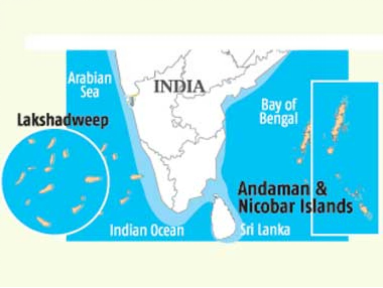 Aman platform should be utilised by Pakistan to claim for its share in Andaman Nicobar and Lakshadweep Archipelagos in North Eastern and Central Indian Ocean which were handed over to India against the principles and provisions of Indian Independence Act 1947. In case of Andaman Nicobar Archipelagos British kept these islands under their control and later handed over to India in 1950 instead of distributing among India and Pakistan. Later on considering the imminent political threat due to the unjust accession of archipelagos; India declared these Islands as Union Territory in 1956. In case of Lakshadweep Archipelago; Muslim dominated territory was unjustly handed over to India ignoring the Muslim majority.