 Exam cheating is a growing menace that is spreading like wildfire across our country. What makes it even more alarming is that it is often seen as a harmless offense. Disturbingly, many educators themselves are involved in it in one way or another. Their justifications range from feeble to non-existent. This troubling reality compelled me to initiate an awareness campaign — a humble attempt to awaken the conscience of academics, civil society, and people from all walks of life. My message is simple: cheating tears apart the very soul of education — the awakening of conscience.
There exists a glaring disconnect between educators and policymakers on this issue. Many teachers believe that government policies have inadvertently contributed to the rise of this menace. The Punjab Examination Commission (PEC), for instance, is often criticized for being out of touch with ground realities. Exam content is frequently prepared without consulting the teachers who are actually working in classrooms. The process is largely detached, confined to bureaucratic “ivory towers” that ignore the diverse learning environments across the province.
The introduction of the Single National Curriculum was, at first glance, a promising and unifying vision. However, it fell short in substance. Pakistan is a country of vast cultural, economic, and social diversity. Students from remote or under-resourced regions simply cannot be expected to adapt at the same pace or level as those in more developed areas. A one-size-fits-all approach overlooks this diversity and, in many cases, pushes both students and teachers to resort to unfair means just to keep up.
In an attempt to overhaul the struggling public education sector, the government turned to the privatization of public schools. Theoretically, privatization is a sound strategy, akin to reviving sick industrial units. However, as with many other reform initiatives, it too became politicized. Its potential benefits were neither effectively communicated to the public nor to the educators. As a result, suspicion and resistance replaced dialogue and collaboration.
Perhaps the most disheartening trend is the widening trust deficit between teachers and the Ministry of Education. The ministry, which should be the voice of the teaching community, is often perceived as its adversary. This perception has led to a communication breakdown between policymakers and practitioners. Teachers — the people who interact with students daily and understand the real challenges — are rarely heard. This disconnect continues to deepen, and with it, the crisis of credibility in our education system worsens.
If we are serious about improving the quality of education and restoring integrity to our examination system, we must first rebuild trust. Open dialogue, ground-level consultations, and policy reforms rooted in reality are essential. Above all, we must revive the spirit of learning based on honesty and conscience.
Cheating may bring temporary success, but it leaves behind a permanent failure — a generation unprepared for real life, and a nation deprived of its true potential.
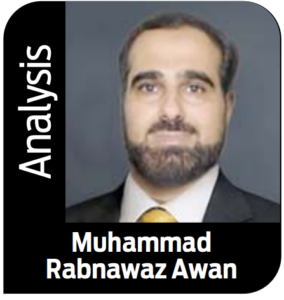
Muhammad Rabnawaz Awan is a seasoned educator and social reform advocate currently serving as EST (English) at Government Boys’ High School Langar, Tehsil Fateh Jang, District Attock. He is also known for his writings on ethics, tolerance, and educational reform.