From East London to Pakistan
By Amjad Mehmood Photos by Sultan Bashir
— In a move aimed at expanding community-level humanitarian support, Hope 4 Humanity (UK-registered charity) has partnered with a local Pakistani organization, YCDO (Youth Community Development Organization), to deliver free medical support for the most vulnerable segments of society, particularly those who remain unable to access essential healthcare due to poverty. According to both organizations, the collaboration is designed to reach individuals and families who are effectively excluded from basic treatment because of financial hardship. The initiative is being positioned as a practical, needs-driven response, focused on delivering medical assistance where formal access is limited and out-of-pocket costs have become prohibitive for low-income communities.
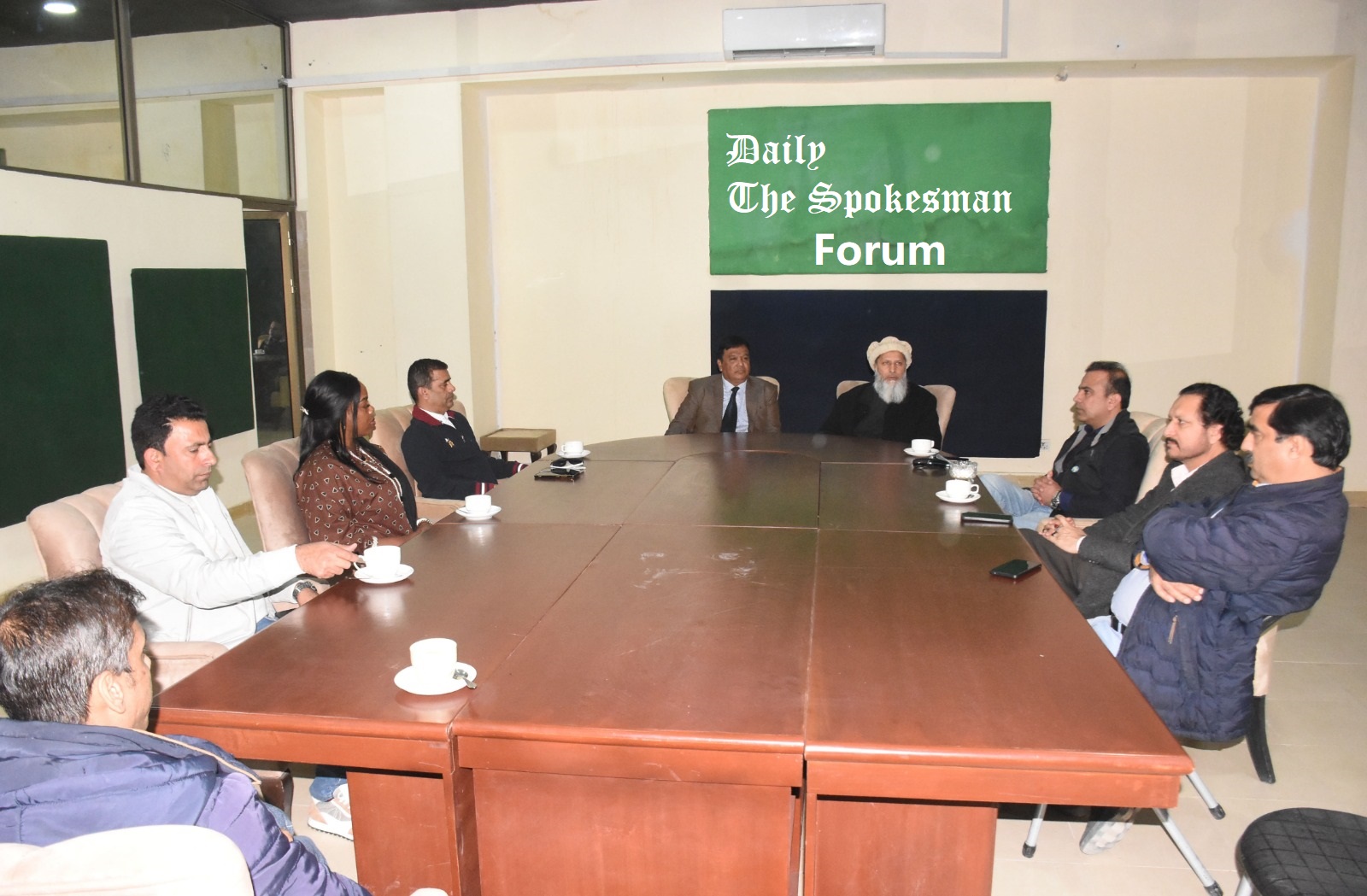
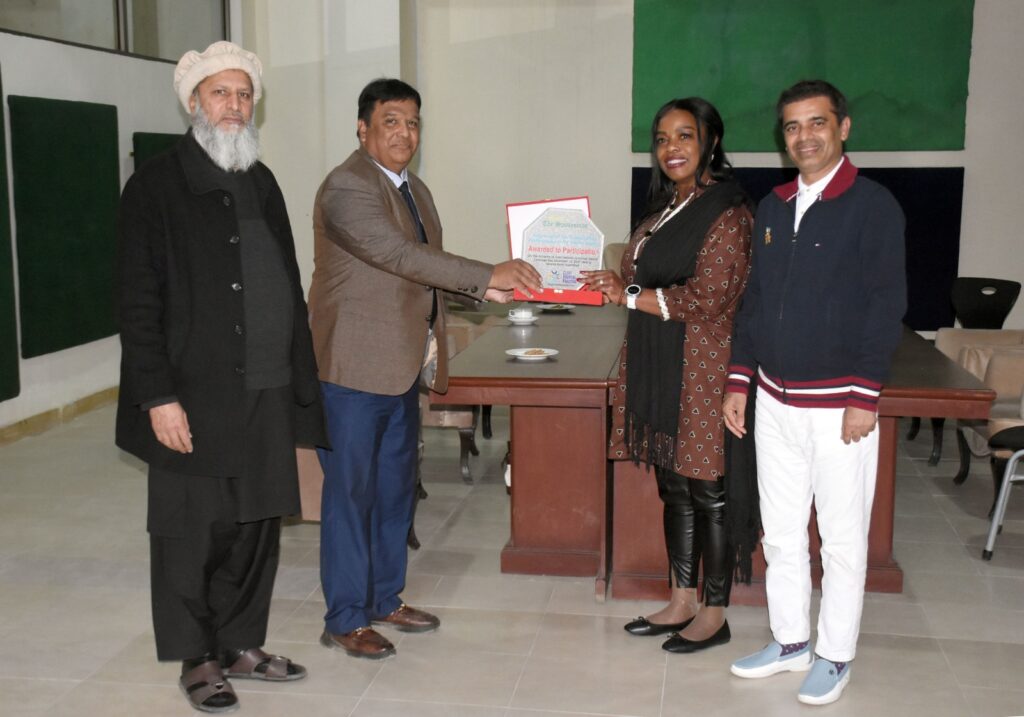
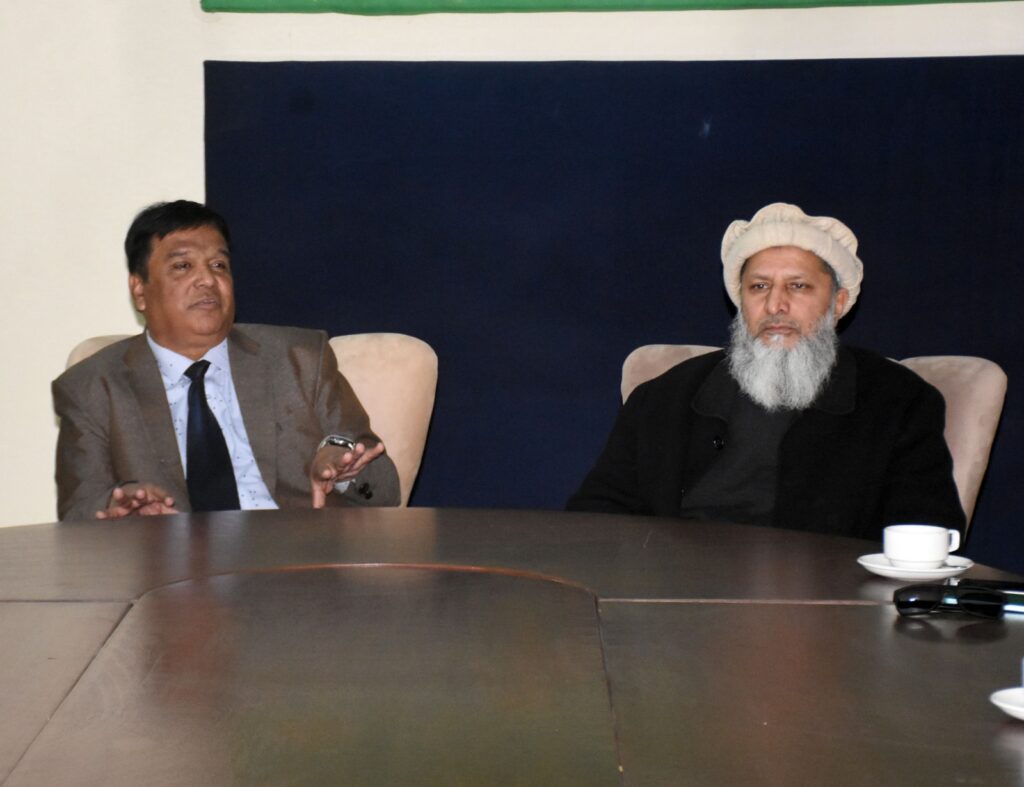 The partnership coincides with an official visit to Pakistan by Hope 4 Humanity, as the UK charity moves to extend its operations and explore a broader footprint in the country through local collaboration and on-ground assessment. The H4H officials visit is part of a wider engagement plan aimed at strengthening service delivery mechanisms in Pakistan, with YCDO supporting outreach and local coordination. As part of their engagements during the tour, Hope 4 Humanity officials Mr. Junaid Ali BEM (Head of Strategy) and Ms. Simone Thompson (Operational Manager) visited the office of The Daily Spokesman in Islamabad, following an invitation from the Editor, Mr. Naveed Ahmed Khan.
Mr. Junaid Ali BEM, founder of Hope 4 Humanity and a widely recognized British humanitarian has emerged as a leading voice in community welfare on both sides of the UK–Pakistan corridor, steering large-scale initiatives that range from the distribution of more than 150,000 food parcels in London to the provision of free welfare, housing and legal advice services, while also developing community hubs to support families through the cost-of-living crisis and extending humanitarian and medical relief to vulnerable communities in Punjab and Sindh; with a Pakistan humanitarian delegation scheduled for January 2026 focusing on youth empowerment, healthcare and rural development, he remains keen to engage on the challenges of community welfare, British Pakistani civic participation, youth responsibility, and the evolving portfolio of ongoing charity projects in the UK and Pakistan.
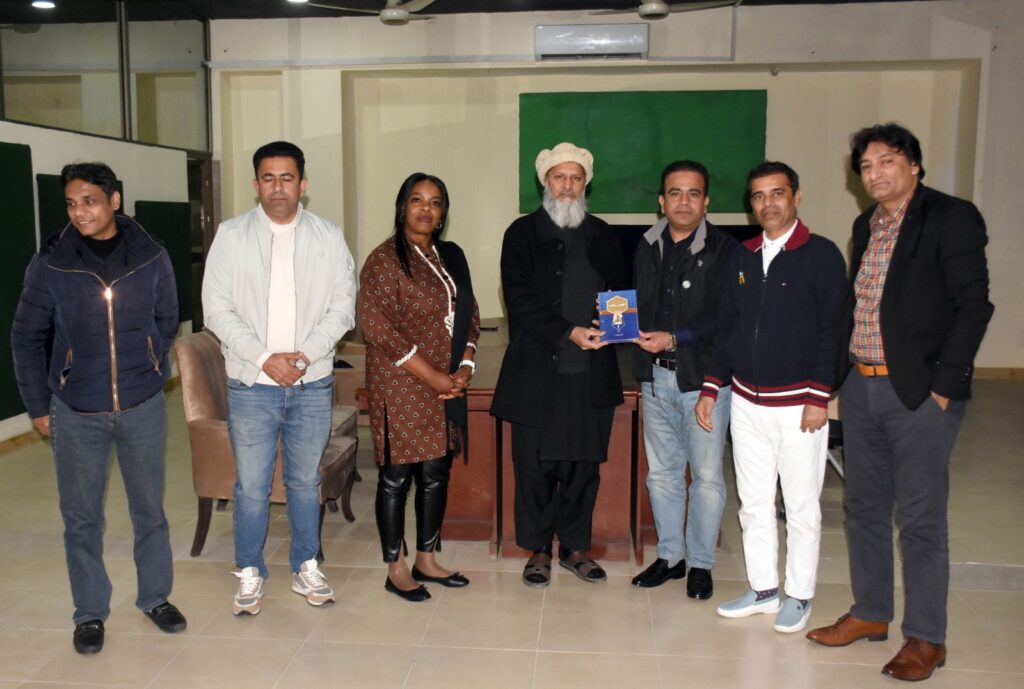
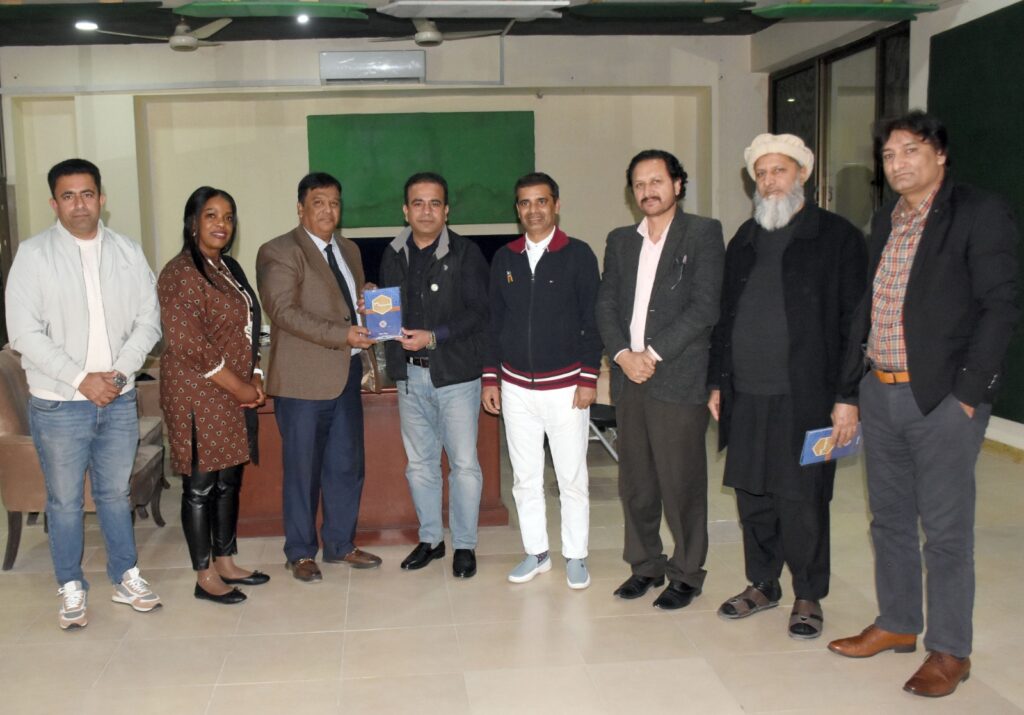
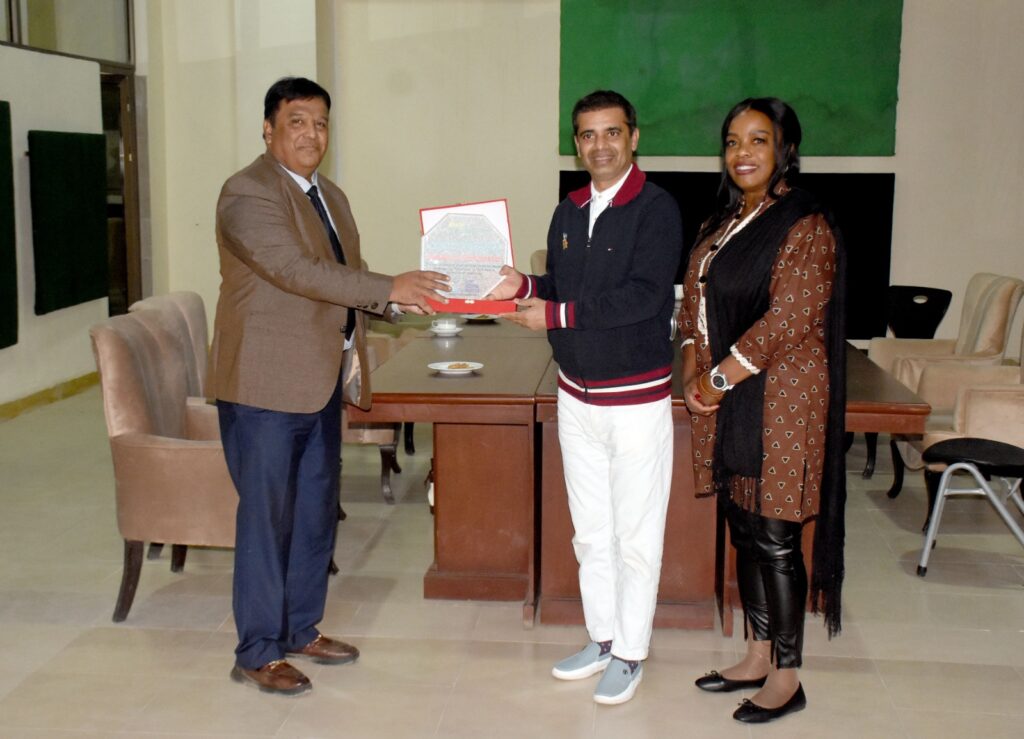
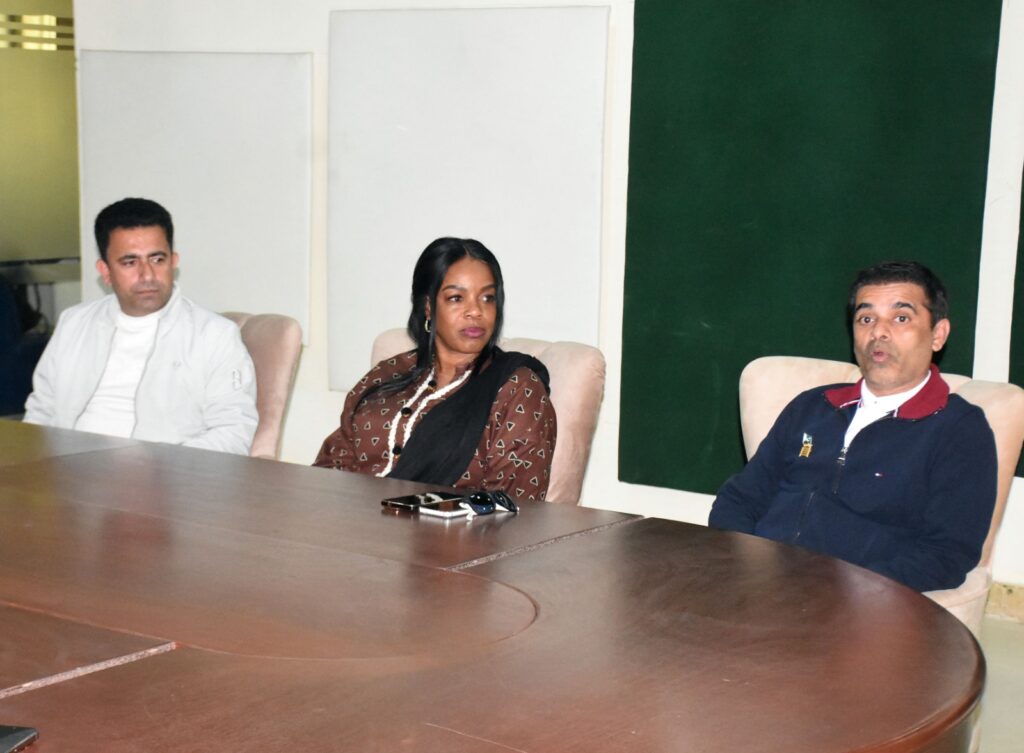 The visiting delegation was received by Mr. Naveed Ahmed Khan , Editor and members of The Daily Spokesman team, who extended a warm welcome and arranged a guided tour of the newspaper’s editorial and publication operations. The visit offered the guests an overview of the newspaper’s newsroom workflow, production process, and wider editorial functioning, an exchange framed by both sides as an opportunity to strengthen communication links between humanitarian work and public-facing reporting. In a goodwill gesture, Mr. Naveed Ahmed Khan presented a commemorative shield to the Hope 4 Humanity officials on behalf of The Daily Spokesman, acknowledging the organization’s visit and expressing appreciation for its humanitarian engagement.
Speaking on the occasion, Ms. Simone Thompson highlighted the newspaper’s overseas footprint, noting that: Daily Spokesman’s English news publications extend beyond Pakistan, with exclusive coverage in the United Kingdom and Europe. Her remarks were received as recognition of the publication’s international audience and its potential role in amplifying community-impact initiatives to a broader readership.
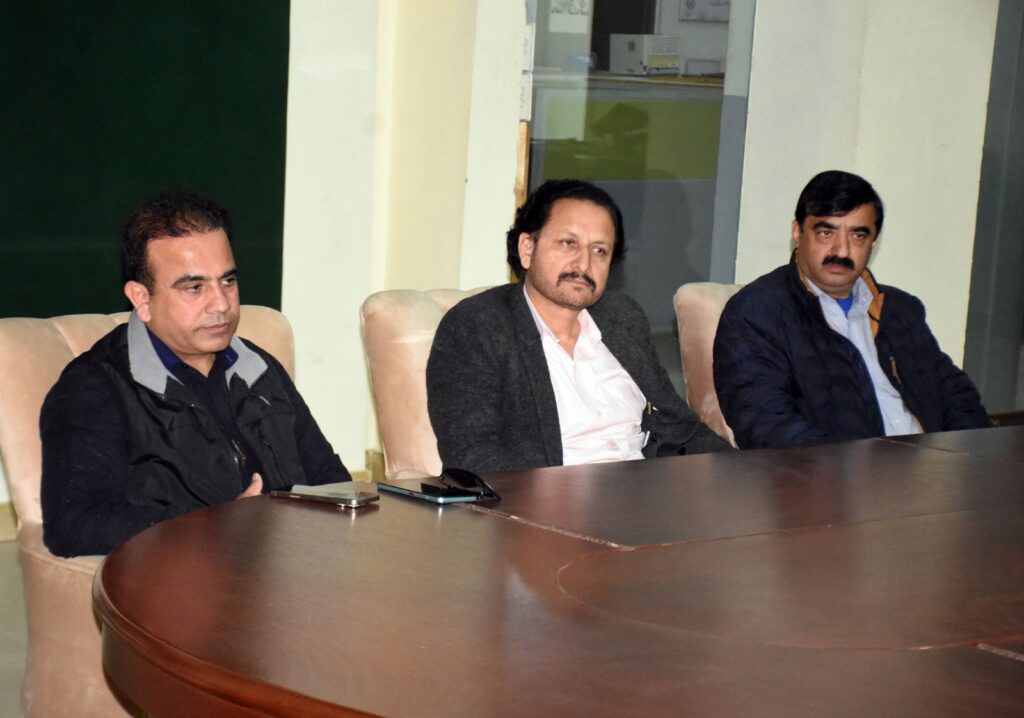 Participants described the meeting as reflective of a shared commitment to impactful communication and global outreach, underscoring how media coverage and humanitarian service can complement each other, one by delivering support on the ground, the other by ensuring visibility, accountability, and wider engagement across borders. With Hope 4 Humanity currently on an official tour and YCDO positioned as its local partner for medical assistance programmes, stakeholders expect further announcements regarding the scope, locations, and delivery framework of the planned free medical support. For communities most affected by poverty-linked health exclusion, the collaboration signals a timely intervention, one that aims to convert charitable intent into direct, accessible care.
In East London, where the pressure of rising living costs has turned everyday budgeting into a weekly calculation, “Hope4Humanity,” widely recognized by the public as “Hope 2 Humanity,” has established itself as a steady, community-facing presence for families and individuals living on the edge of hardship. From its base on Katherine Road in Newham, the organization operates with a simple but demanding mandate: respond quickly to a crisis, then stay alongside people long enough for that crisis to ease.
 Hope4Humanity is formally registered in the United Kingdom as Hope 4 Humanity Appeal and is also incorporated as HOPE 4 HUMANITY APPEAL LTD, a not-for-profit structure limited by guarantee and established on 7 October 2016 with three trustees and three volunteers, an indication of a lean set-up that relies on targeted expertise and practical delivery rather than a large administrative footprint. Yet the scope of its work is far larger than its size might suggest, shaped by the realities of modern deprivation where food insecurity, housing instability, legal complications, and mental strain frequently arrive together.
The organization’s day-to-day work is anchored in poverty relief, but its operational style goes beyond emergency handouts. Food support is the most visible entry point. Hope4Humanity reports distributing over a hundred thousand food parcels through its community initiatives, a figure that points to sustained operations rather than seasonal charity drives. In Newham and surrounding boroughs, the charity’s food support works through a networked model, aligned with local partners such as the Newham Food Alliance and organized across multiple distribution points, allowing donated supplies to be collected, sorted and redistributed to people who would otherwise go without. For many service users, the food parcel is also the doorway to stabilizing support. Alongside emergency provision, Hope4Humanity is known for offering practical guidance on welfare benefits, debt pressures, and housing pathways by connecting relief with advice.
 A distinctive feature of its service mix is the weekly law clinic, structured and predictable rather than ad hoc. Delivered with professional legal capacity, the clinic focuses particularly on family and immigration matters, including support relevant to asylum seekers. In communities where a single unresolved legal issue can block access to housing, employment, or benefits, such advice can be decisive.
The charity’s work with children and families is channeled through its Hope Assistance Family (HAF) programmes, which expand significantly during school holidays. In a period when many low-income households struggle to cover both meals and meaningful activity for children, the organization runs children’s holiday clubs and camps designed around healthy food, physical activity and safe, supervised environments.
Hope4Humanity’s community programming also extends into youth and women-focused engagement, using accessible sessions, ranging from fitness and wellbeing activities to creative and digital media exposure to build confidence, participation and social inclusion. These activities serve a dual purpose: they provide constructive routines and supportive spaces while strengthening community bonds in areas often marked by isolation and economic strain.
 As winter pressures deepen across the UK, the charity has also developed a practical response to the cost-of-living crisis through “Warm Havens” initiatives, safe indoor spaces offered in coordination with council-linked partners. The model is straightforward: provide a warm, welcoming environment during the cold season, coupled with meal support, including takeaway provision on Saturdays and indoor meal arrangements on Sundays at Katherine Road locations.
The organization’s preventive-health work includes targeted interventions for older residents, such as free vitamin D supplementation for Newham residents aged 60 and above, reflecting an effort to address vulnerability before it escalates into avoidable health decline.
 While its strongest visibility remains rooted in East London, Hope4Humanity has also built a humanitarian outreach profile beyond the UK, including relief work in Pakistan. The organization has been active in flood-affected areas of Punjab and Sindh, as well as in Naran in Khyber Pakhtunkhwa, and it has articulated ambitions to expand its presence further, seeking to establish operations across all four provinces of Pakistan and extend services into Sri Lanka and Bangladesh, with particular emphasis on youth upskilling through education programmes developed in collaboration with relevant authorities.
Behind these operations is a compact team structure that reflects functional priorities: community coordination, legal expertise, and public communication. Senior coordination is led by Jackie Hoolas, whose background in youth social work aligns with the organization’s family programming; legal services are strengthened through Amer Manzoor, a Solicitor of England and Wales specializing in family, immigration, asylum and human rights; and media outreach is supported through Syed Ikram Hussain (Meer Ikram), an experienced journalist and analyst with extensive broadcast and Urdu media experience.
In a time when many organizations are judged by branding as much as delivery, Hope4Humanity’s identity is shaped more by repeat service than occasional visibility, food parcels that arrive week after week, legal advice that runs on a fixed schedule, warm community spaces that open through the winter, and youth programmes that fill the gaps where hardship often hits hardest.