

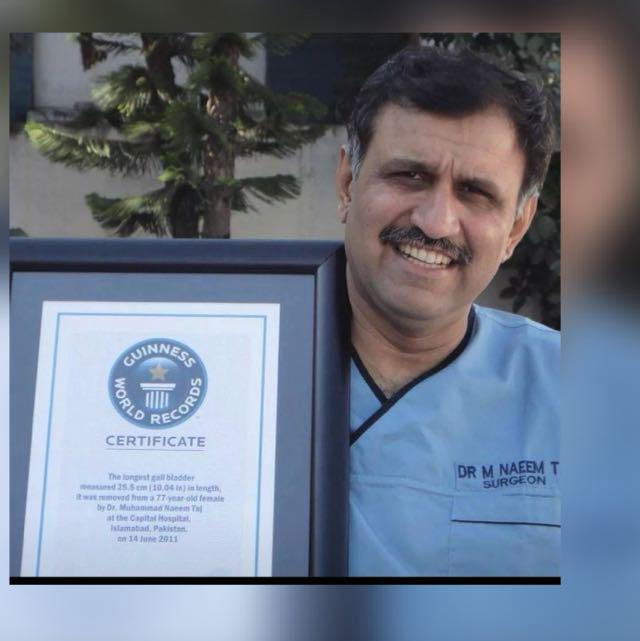

A HEART OF COMPASSION & A SPIRIT OF PASSION
By Amjad Mehmood
—Confident, articulate, and quietly assured, Dr. Naeem Taj, son of the late Colonel Taj Muhammad, a pioneer of Pakistan Army Signals whose legacy is enshrined at the Military College of Signals, Rawalpindi, through the naming of the TM Block in his honor, speaks of a life shaped by both ambition and discipline, recalling a defining crossroads where his twin passions, cricket and academics, demanded a single choice: pursue the game professionally or commit to medicine, a decision he ultimately sealed in favor of medical education when he joined Quaid-e-Azam Medical College, Bahawalpur, in 1985.
Mr. Naeem built his name in competitive cricket before medicine became his formal path, featuring at the Under-19 level and in major domestic tournaments, including the Quaid-e-Azam Trophy and the Wills Cup, performances that earned him recognition and selection for the Pakistan camp. One of the most memorable chapters of that journey, he recalls, was a side match against the Sri Lankan team in which he claimed the wicket of their celebrated batsman, Arjuna Ranatunga, a moment he still describes as a defining highlight.
Cricket, in many ways, ran through the family. His elder brother was also a known cricketer on the domestic circuit, while his sister chose the medical profession, an early reflection of the household’s blend of competitive ambition and academic discipline. At the center of it all stood his father, Colonel Taj Muhammad, who did not impose a career decision but allowed his son to choose freely, offering only a quiet principle: the respect earned by doctors grows over time because their work is service to humanity.
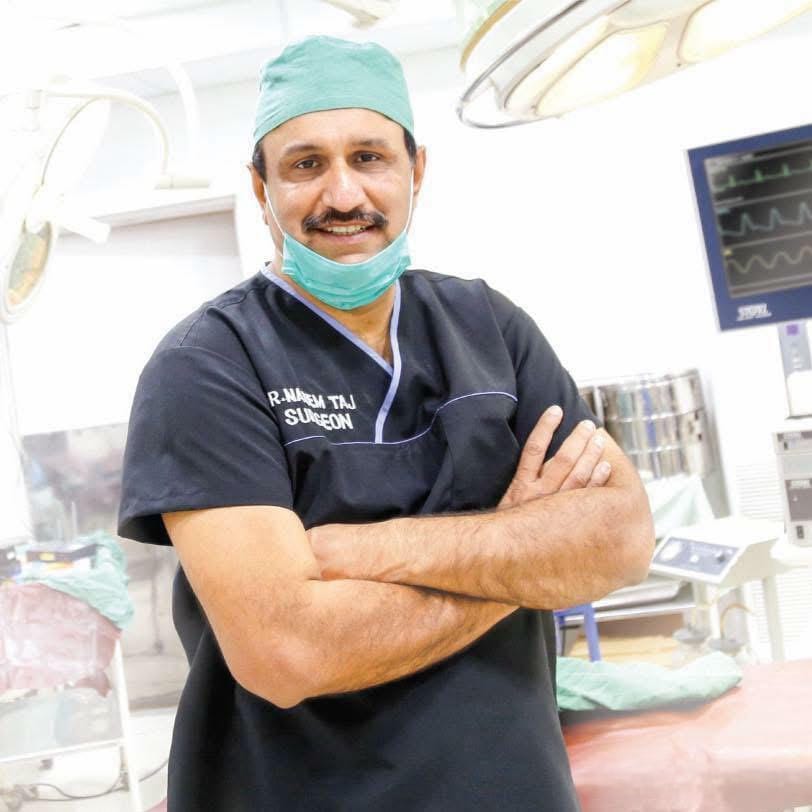 Even after joining a medical college, Mr. Naeem did not abandon the game. He became part of the Bahawalpur cricket team and, through consistently strong performances, quickly emerged as one of its standout players. He remembers one incident from those years with particular clarity: concerned that cricket might dilute academic focus, his Principal wrote to his father requesting support to steer him toward studies alone. The reply came back firm yet reassuring—his son, Colonel Taj Muhammad, wrote, was focused and fully capable of achieving his goals. For Mr. Naeem, that vote of confidence became a lifelong anchor, strengthening his resolve and helping him remain among the top-performing students throughout his MBBS years.
The Daily Spokesman has arranged an exclusive interview with one of Pakistan’s most renowned Laparoscopic and Bariatric surgeons, who has twice named in the Guinness Book of World Records, to chronicle his personal and professional journey and present it for the public’s knowledge and inspiration. Dr Naeem Taj earned his MBBS and FCPS qualifications in Pakistan, and later pursued advanced credentials abroad, completing FRCS in the United Kingdom and FACS in the United States.
After completing his MBBS, Dr. Naeem Taj began his house job at Polyclinic Hospital, Islamabad, in 1991, while during the same year, he performed a successful appendectomy, a moment his father marked with pride by informally bestowing on him the title of “surgeon.” Not long after, his father passed away due to renal failure, an event Dr. Naeem describes as the turning point that transformed medicine from a career into a commitment. He credits his late father for instilling the principles and confidence that continue to shape his professional life.
 Following house job, Dr. Naeem joined Fauji Foundation Hospital, Jhelum, where he served for two years and cleared FCPS Part-I, an achievement he notes with particular satisfaction, given the common perception that the hospital was not a typical pathway toward higher qualifications. He later moved to Fauji Foundation Hospital, Rawalpindi, where he secured his early promotions before taking a decisive step in his training journey.
In 1996, driven by a deliberate pursuit of high-volume clinical exposure, he joined Rawalpindi General Hospital (RGH), now known as Shaheed Benazir Bhutto Hospital, and served there until 2006. He describes the hospital’s government setup as austere, with limited facilities but an extraordinary patient load under demanding senior supervision. Yet he chose it willingly, regarding it as an unmatched environment for surgical learning. He recalls that in the late 1990s and early 2000s, RGH functioned as the primary receiving center in the division for emergencies, including bullet injuries, road traffic accidents, stabbing cases, and other critical trauma. In those early years, he says, surgeries ran around the clock. It was in that relentless theatre schedule, he believes, that his skills were refined into consistency and precision, work that earned recognition from senior colleagues for dependable outcomes and disciplined technique.
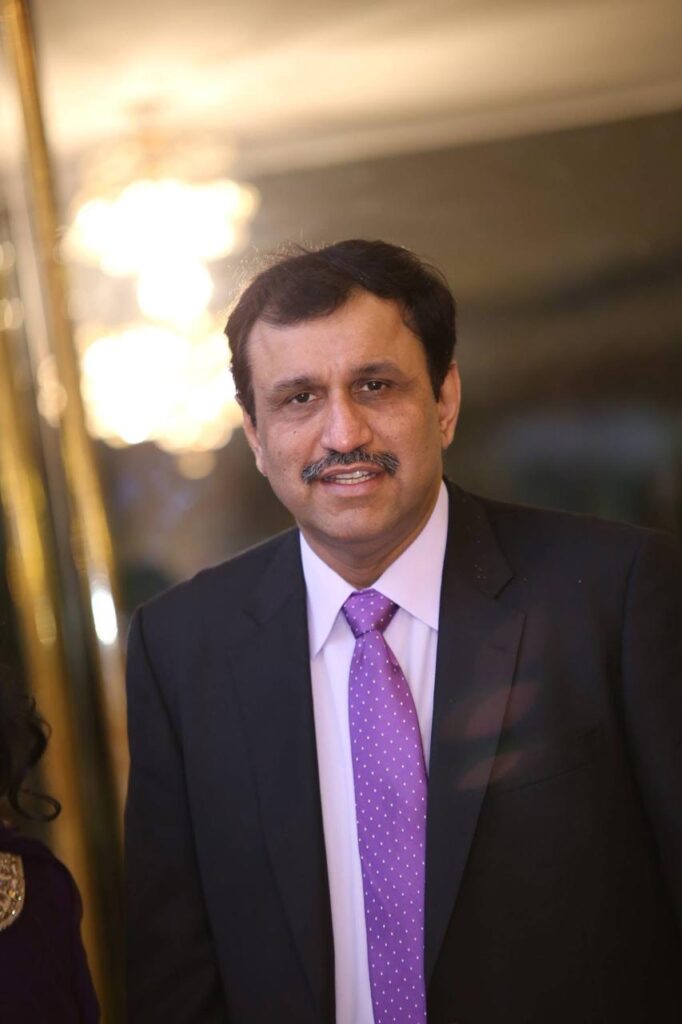 Reflecting on his decade-long stay at Rawalpindi General Hospital (RGH), Dr. Naeem Taj describes it as the most defining phase of his surgical formation in which he absorbed rigorous training from senior mentors and, in turn, passed those skills on to junior doctors. He completed his specialist qualification with commendations from examiners and began mastering laparoscopic surgery at a time when the technique was still new to Pakistan’s clinical landscape.
During his RGH tenure, he rose through the academic ranks, earning promotions from assistant to associate professor, as his standing in the medical community grew steadily. With his reputation spreading beyond the public sector, private hospitals and clinics actively sought his services, an interest that eventually extended to the Capital Development Authority (CDA) Hospital, which he joined in 2006. Among the episodes he recalls from those high-pressure initial years at CDA Hospital, where he completed a surgery under emergency conditions, using a mobile phone’s light after a power failure, an illustration, he suggests, of the improvisation and resilience that often define care in resource-constrained settings.
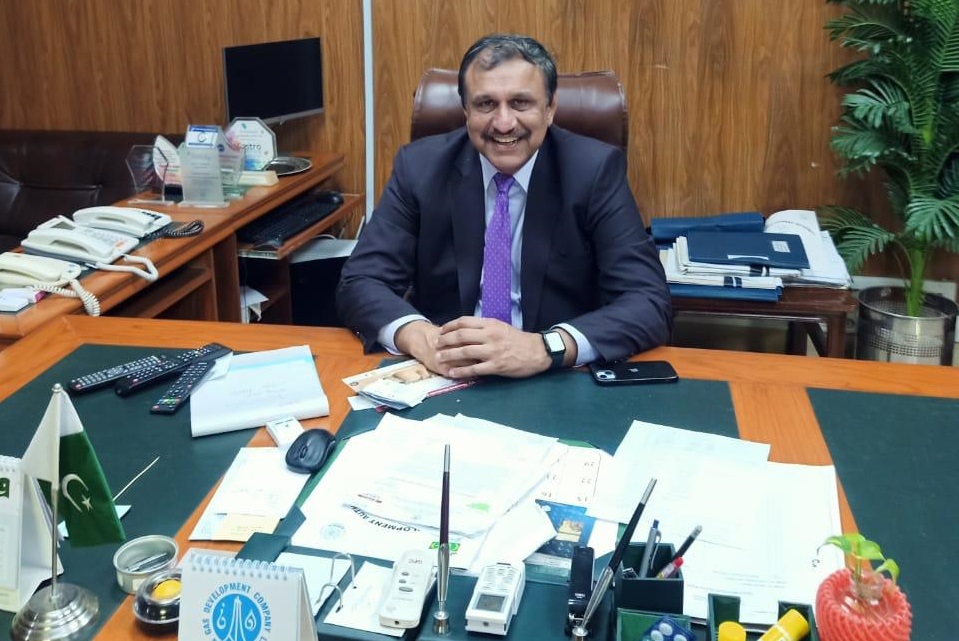
In October 2024, Dr. Naeem Taj was appointed Executive Director of CDA Hospital, Islamabad, a role he describes as carrying full institutional backing from the CDA Chairman and senior management to modernize the hospital and raise service standards for the public. Within his first year, he steered the hospital toward recognition as an authorized center for postgraduate (PG) training, facilitating inspections and engagement with relevant regulatory bodies. He informed that about 40 doctors have completed specialist training and are serving at the hospital, while 25 PG trainees are currently enrolled. Dr. Naeem said doctors and staffing shortages were addressed through merit-based recruitment, enabling expanded clinical capacity and continuity of care. He further stated that key services have been strengthened or made fully functional, including OPD and emergency care, pediatrics, cardiac surgery, stenting-related services, a stroke center, diabetes clinics, a day-care center, and chronic care OPD. He added that allied support services, such as on-site pharmacy and patient amenities including a mosque and canteen, have been organized to better serve patients and attendants.
He also highlighted initiatives aimed at clinical innovation and public outreach, including an Obesity Week that brought together national and international specialists, with live surgical procedures supported through sponsorship to benefit underprivileged patients. Among the hospital’s reported milestones, he cited the establishment of a colorectal surgery department, described as the first of its kind at the facility and the introduction of bariatric surgery for weight loss. He noted that the hospital now has specialist coverage across critical disciplines, including neurosurgery, spinal surgery, anesthesia, and gynecology, and said the institutional focus has shifted decisively toward quality and standardized care.
“After five years of specialization, a doctor learns how to operate; after ten years, he learns when to operate; and after twenty years of experience, he finally understands when not to operate.” ——says Dr. Naeem Taj
Looking ahead, Dr. Naeem Taj said proposals are under consideration to introduce private clinic services within the hospital, intended to improve financial sustainability while enhancing service delivery for residents of the twin cities. He also outlined plans to move toward paperless and cashless operations, aiming for greater transparency, efficiency, and environmental responsibility. In addition, he stated that CDA Hospital is offering house jobs to medical graduates on open merit, aligning early-career training with a broader agenda of accountable, public-centered healthcare delivery.
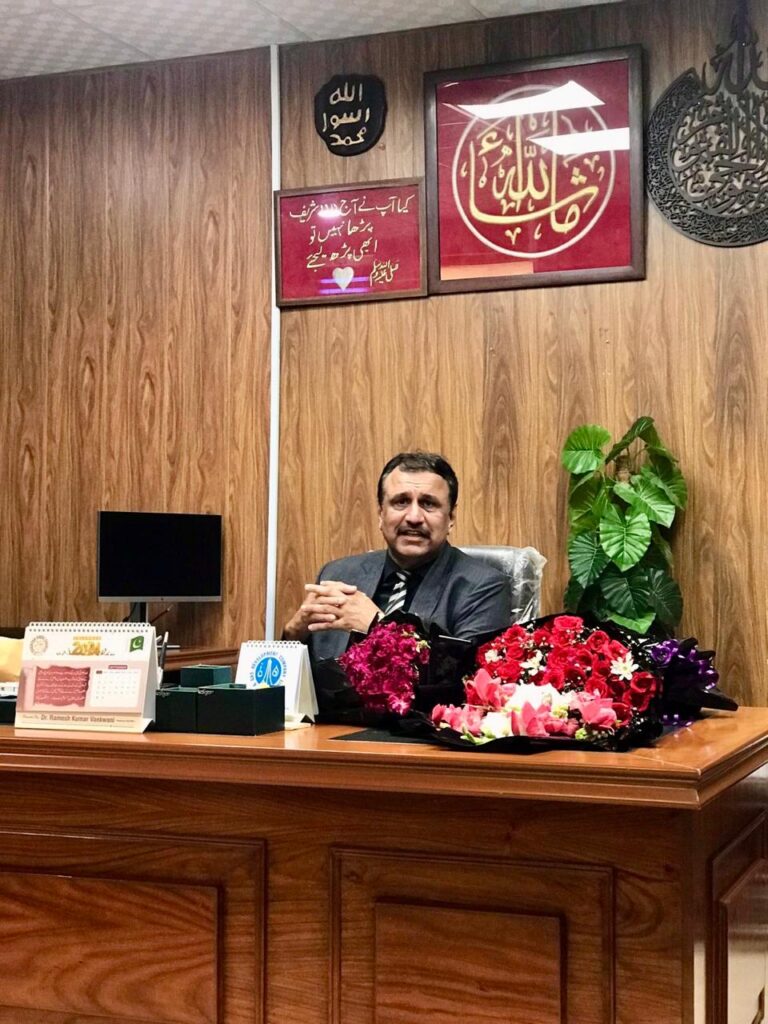 Discussing his expertise in minimally invasive surgery, Dr. Naeem Taj said that for nearly a century, traditional open procedures dominated surgical practice, until the late 1980s when minimally invasive techniques powered by rapidly advancing technology began to transform the medical landscape. With proper training and experience, he said, surgeons can offer patients clear advantages with less pain, smaller incisions, faster recovery, and an earlier return to normal life. He added that the field is now moving steadily toward robotic surgery in developed healthcare systems, and that the future of surgery will be defined by greater precision and improved outcomes.
He explained that he routinely travels abroad to learn emerging techniques and incorporate them into his practice in Pakistan. However, he stressed that surgical mastery has no shortcuts; it is refined through time in the operation theatre and through a disciplined, step-by-step learning process that develops both technical competence and sound clinical judgement. In this journey, he said, senior surgeons remain an invaluable resource for young doctors just as he learned from his own mentors before building his skills and reputation through sustained effort. Concluding his remarks, he emphasized that medicine is not a business but a service that demands care, compassion, and a commitment to easing patients’ suffering through responsible and ethical treatment.
Addressing ways to strengthen Pakistan’s healthcare system, he argued that the country needs an integrated, tiered structure from primary to secondary care rather than parallel arrangements that distort patient flow and overload facilities. He stressed that experienced, well-trained senior doctors form the backbone of an effective system and should be treated as key stakeholders in policy design so that decisions reflect clinical realities rather than administrative assumptions. Pointing to models in developed countries, he cautioned that health policy cannot be run by “yes-men” alone; it requires competent leadership, evidence-based planning, and genuine stakeholder participation. He further emphasized that training and continuous monitoring are essential pillars of a functioning health system. Warning of the public health burden ahead, he said that Pakistan is rapidly rising in rankings for diabetes and cardiovascular diseases, trends that will become far more difficult to manage without stronger prevention, early intervention, and system-wide capacity.
Commenting on the spread of unqualified practitioners and quackery in Pakistan’s health sector, he urged the public to avoid non-professional treatment and seek care from properly trained, skilled doctors. He cautioned that delaying appropriate medical attention can allow disease to worsen, turning a manageable condition into a clinical challenge and, in some cases, a life-altering nightmare.
Drawing on his experience as a bariatric surgeon, Dr. Naeem Taj added that cosmetic procedures such as tummy tucks are not substitutes for sustainable medical weight-loss solutions. He also warned against the unsupervised or inappropriate use of weight-loss injections such as Ozempic (semaglutide), noting reports of serious adverse effects internationally, and advised that patients with diabetes and a BMI above 30 should consult an experienced specialist to assess whether bariatric surgery is the safer long-term option for preventing future complications.
Advising young doctors, he emphasized that sincerity and hard work must be matched with meaningful time spent with patients, strong communication skills, and sound clinical knowledge. He stressed the importance of developing competent surgical technique where relevant, and of treating every patient with the same care and responsibility one would extend to a family member. Above all, he concluded, an unhurried approach, professional attitude, and empathy are essential foundations for lasting success in the medical profession.