

Spokesman Report
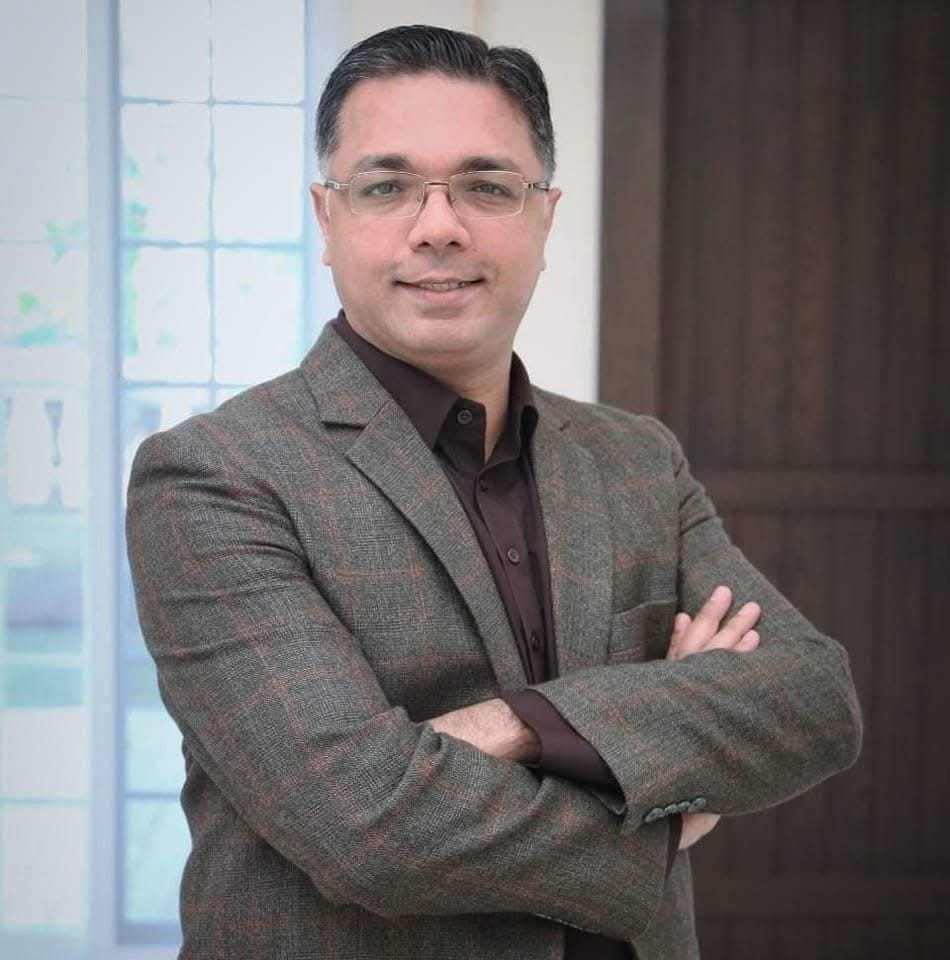
Karachi: Muhammad Azfar Ahsan, Pakistan’s former Minister for Investment, has raised serious concerns about the country’s foreign direct investment (FDI) trends, calling attention to what he terms a “crisis of credibility” despite a rise in gross inflows.
“Pakistan’s FDI inflows may be climbing on paper, but a silent exodus is underway. This contradiction points to a much deeper issue, one of eroding trust, not expanding growth,” Ahsan said in a statement released today.
He noted that gross FDI inflows rose by 27%, from USD 3.17 billion in FY24 to USD 4.03 billion in FY25, but net FDI increased by only 4.7%, moving from USD 2.35 billion to USD 2.46 billion. “This modest net gain reveals underlying weakness, not strength,” Ahsan emphasized.
According to him, the total foreign investment actually declined by 8%, from USD 1.96 billion to USD 1.81 billion. Private foreign investment also dropped by nearly 15%, from USD 2.47 billion to USD 2.10 billion, a clear indicator of waning investor confidence.
He further highlighted a major reversal in portfolio investment, which shifted from an inflow of USD 120 million to an outflow of USD 355 million, a swing of USD 475 million. “This is not just a statistical shift, it reflects anxiety, unpredictability, and growing disillusionment with Pakistan’s policy environment,” he said.
Most alarming, Ahsan stated, is the 92% surge in repatriation of profits and capital, which jumped from USD 818 million to USD 1.57 billion. “This is not routine profit-taking; this is a silent vote of no confidence from existing investors,” he asserted.
While foreign public investment outflows decreased by 41% (from USD 503 million to USD 295 million), Ahsan said this isolated figure “cannot mask the larger withdrawal underway. It’s like celebrating less rainfall during a storm, technically true, but contextually meaningless.”
Ahsan underscored that while capital is entering, long-term commitment is not. Several global firms have exited the Pakistani market in recent quarters, which he described as a red flag for those who look beyond the headlines.
He reiterated that these developments align with forecasts he has made repeatedly since the start of the year. “Despite positive intent, I consistently projected that total FDI would remain flat, and unfortunately, that is exactly what has happened. All of our forecasts over the past three years have been proven accurate,” he noted.
“As a public policy advocate, I consider it a responsibility to present data-driven, constructive feedback to decision-makers, even when it’s uncomfortable. Our stance has always been principled and honest, not cosmetic or politically convenient.”
Ahsan emphasized that while peer economies like Vietnam, Indonesia, Malaysia, Bangladesh, and several countries in Central Asia, the Middle East, and Africa are making strides in attracting sustained, long-term foreign investment, Pakistan is slipping off the radar of global investors.
“This is not a crisis of capital. It is a crisis of credibility. We are not just losing investment, we are losing investor trust,” he warned. “In today’s global marketplace, Pakistan is increasingly seen as a high-risk, low-conviction destination.”
While some investors are still drawn to distressed assets or short-term arbitrage opportunities, he said, very few are willing to make long-term strategic investments in Pakistan. “The business climate remains unstable, riddled with policy U-turns, inconsistent regulations, and fragile governance.”
He urged that investor trust cannot be built on spreadsheets or presentations alone. “It requires stability, predictability, and rule of law. Investors need clarity: Will the tax regime change overnight? Will their contracts be honored? Can they repatriate their profits without last-minute hurdles? These questions are often left unanswered, or worse, ignored.”
He stressed that attracting FDI is not enough, retaining and growing it requires deep structural reforms. “We need a rules-based system where investor rights are protected, repatriation policies are consistent, and institutions are autonomous and immune from political interference.”
“The time for cosmetic fixes is over,” he said. “We need an honest, data-driven assessment of our performance. Inflated projections and feel-good narratives must be replaced with real reform.”
Ahsan called for a complete overhaul of the investment ecosystem, including the removal of systemic inefficiencies, institutional continuity, and enhanced transparency. “To rebuild global investor confidence, we need credible governance and a long-term commitment to policy stability.”
He also emphasized that Pakistan’s investment institutions must be led by “credible, competent, and globally respected professionals, not political placeholders. Only then can we begin to inspire the kind of investor confidence required to compete globally.”
“We may win headlines with large numbers,” Ahsan concluded, “but trust, not transactions, is the currency that sustains investment. And once that trust is lost, it is the hardest currency to regain.”