

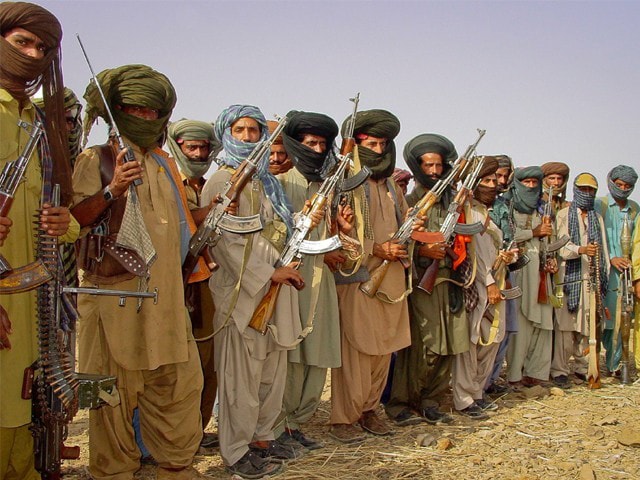
 The latest ISPR press release, announcing the killing of 23 alleged terrorists and the loss of 18 Frontier Corps personnel, is deeply distressing. These are not just numbers; they represent 41 shattered families, each bearing an unimaginable grief that will last a lifetime. Behind every fallen soldier and every slain insurgent are grieving parents, siblings, spouses, and children, struggling to fill the void left by their loss. What makes this tragedy even more painful is that these lives were lost not in defense against an external enemy but in an internal conflict, one that pits fellow Pakistanis against each other. Every loss on both sides is ultimately a loss for the nation.
For any Pakistani who values human life and dignity, the relentless cycle of violence and extremism is deeply unsettling. This conflict has become an endless spiral of bloodshed, with security forces and alienated Baloch elements locked in a battle that offers no real resolution—only more suffering, more funerals, and more hatred. These individuals, regardless of which side they are on, belong to the same nation. Yet, their deaths only deepen existing divisions rather than resolve the underlying tensions.
As a nation, we must step back and reflect on what has brought us to this tragic point. Why are Pakistani citizens fighting against the state? What drives this level of discontent that entire communities feel alienated enough to take up arms? The answer lies not in simplistic narratives of terrorism or separatism but in decades of political, economic, and social neglect. The state’s continued reliance on military force has only exacerbated the problem, fueling resentment and widening the rift between the center and the periphery.
History has already provided its verdict: force alone does not work. The lessons of Bangladesh remain unheeded—decades after its separation, the scars of that conflict persist. The resentment against Pakistan’s military and bureaucracy in Bangladesh has not faded, and those wounds have been passed down across generations. Hatred, once embedded in a people’s consciousness, does not dissipate easily. It festers, it grows, and it transforms into resistance.
The Baloch and Pashtun societies, known for their traditions of hospitality, communal harmony, and unwavering commitment to protecting their land and dignity, should be seen as assets, not adversaries. Yet, the persistent attempt to subdue their will through force continues. This strategy has failed time and again. No military strength, however overwhelming, can crush a people’s inherent determination to safeguard their identity, heritage, and rights.
There are only two possible paths forward. One is built on peace, respect, and the acknowledgment that these communities have the right to live with dignity, preserving their tribal traditions and culture while being made stakeholders in Pakistan’s progress. The other is one of continued repression, subjugation, and state violence, which will only fuel further bloodshed, deepen resistance, and ultimately undermine national unity. The logical and humane choice is clear: Pakistan must respect the dignity and honor of these communities, recognize their unique identity, and treat them as valuable citizens, not as problems to be “handled.”
Every loss in this conflict—whether a Baloch fighter, a civilian, or an army jawan—is a loss for Pakistan. We are not fighting an external enemy; we are fighting our own people. The grief of a mother in Quetta or Gwadar is no different from that of a mother in Rawalpindi or Lahore. The pain of losing a son, a brother, or a father transcends geography, ethnicity, or political beliefs. Yet, this tragedy unfolds because decision-making has been taken away from genuine civilian leaders—those who understand governance, dialogue, and compromise—and handed over to unaccountable forces whose primary tool is military might. These elements, operating without a public mandate, view every problem through the lens of armed conflict rather than reconciliation. Violence breeds more violence, deepens hatred, and creates generational wounds that may never heal.
For every insurgent killed, more rise in defiance. Why? Because force alone has never been a solution to political grievances. The state must ask itself: why are these young men taking up arms? Why do they feel they have no stake in Pakistan’s future? The answer lies in decades of economic exploitation, political exclusion, and a lack of basic human rights.
Had Pakistan’s civilian leadership been genuinely empowered, many peaceful solutions could have been explored. Instead of plundering Balochistan’s resources for the benefit of central authorities, the region should be given its fair share of revenue from minerals, gas, and ports. Balochistan contributes over $1 billion annually in natural gas revenues alone, yet remains Pakistan’s most underdeveloped province. Investment in industries, infrastructure, healthcare, and quality education could uplift the region instead of fueling resentment. With over 71% of Balochistan’s population living in poverty, these are urgent needs. Empowering local leadership to govern their own affairs, rather than imposing decisions from Islamabad or Rawalpindi, would foster trust and engagement. A structured economic reform to curb smuggling and the illicit arms trade could also weaken extremist factions by cutting off their financial and logistical support.
Nothing radicalizes a population more than the disappearance of its youth. Reports indicate that thousands of Baloch men have vanished, only for their bodies to be found later, igniting further anger. A transparent judicial process, rather than extrajudicial killings and forced disappearances, is the way forward. When people lose faith in the justice system, they resort to desperate measures. The cycle of oppression and retaliation continues because the state has refused to address grievances through democratic means.
Balochistan does not need more military operations; it needs justice, respect, and development. The only way to win back hearts and minds is to treat the people of Balochistan as equal Pakistanis, with the same rights, opportunities, and representation as any other citizen. Balochistan must not be treated as a colony from which resources are extracted while its people remain impoverished and disenfranchised. The region must be developed with the same urgency and commitment as Punjab or Sindh.
It is time to break this destructive cycle. Pakistan must move beyond a militarized response and address the real, underlying causes of this conflict—political representation, economic equity, and social justice. Only through meaningful dialogue, empowerment, and respect for the dignity of these communities can a sustainable and peaceful resolution be achieved.
This is a moment of reckoning for Pakistan. Will we continue down the path of military oppression and bloodshed, repeating the mistakes of 1971? Or will we finally choose wisdom over force, justice over repression, and dialogue over violence? The choice is ours. The consequences will be ours as well.

